
Asset Details
Do you wish to reserve the book?

Tomboy

Hey, we have placed the reservation for you!
By the way, why not check out events that you can attend while you pick your title.

Oops! Something went wrong.
Looks like we were not able to place the reservation. Kindly try again later.
Are you sure you want to remove the book from the shelf?
Tomboy

Do you wish to request the book?
Tomboy
Please be aware that the book you have requested cannot be checked out. If you would like to checkout this book, you can reserve another copy

We have requested the book for you!
Your request is successful and it will be processed during the Library working hours. Please check the status of your request in My Requests.
Oops! Something went wrong.
Looks like we were not able to place your request. Kindly try again later.
eBook
Tomboy
2025
Overview
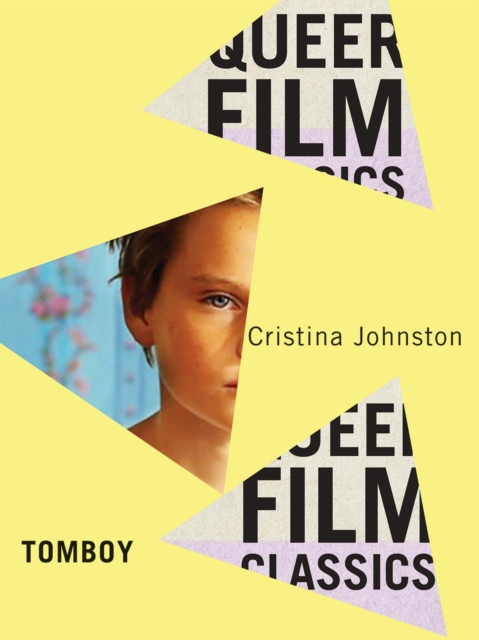
Céline Sciamma's 2011 film Tomboy is the central work in the French filmmaker's coming-of-age trilogy. Bracketed between La Naissance des pieuvres / Waterlilies (2007), an examination of girlhood and teenage desire, and the 2014 film Bande de filles / Girlhood, about the lives of a group of Black girls in their late teens living in the Paris suburbs, Tomboy is a quiet, understated examination of gender and queer selfhood amidst the shifting sands of late childhood and early adolescence. Tomboy is an intimate and luminous film, tender but stark, and never sentimental. Written, cast, and filmed in a matter of months, it follows the experiences and burgeoning friendships of a ten-year-old child who moves to a new town during the summer holidays. First introducing themself as Mikaël, they are, we later learn, Laure to their parents and younger sister. Sciamma's film is not interested in why the character is passing but in how. Cristina Johnston focuses on specific elements of Mikaël/Laure's haptic and spatial experience, showing how the filmmaker's signature engagement with surfaces and textures allows queer potentialities to unfold organically. While Johnston centres her analysis on Tomboy, she also connects the film to broader themes within Sciamma's trilogy, public reception of the films, and the significance of Sciamma's identity as a queer director. Ultimately the book offers insight into a film that deserves to be watched and appreciated for its nuanced portrayal of childhood, queerness, and passing as experience rather than ideology.
Publisher
McGill-Queen's University Press
ISBN
0228023769, 9780228023760


