Asset Details
Do you wish to reserve the book?

Iraq between the two world wars: the militarist origins of tyranny

Hey, we have placed the reservation for you!
By the way, why not check out events that you can attend while you pick your title.

Oops! Something went wrong.
Looks like we were not able to place the reservation. Kindly try again later.
Are you sure you want to remove the book from the shelf?
Iraq between the two world wars: the militarist origins of tyranny

Do you wish to request the book?
Iraq between the two world wars: the militarist origins of tyranny
Please be aware that the book you have requested cannot be checked out. If you would like to checkout this book, you can reserve another copy

We have requested the book for you!
Your request is successful and it will be processed during the Library working hours. Please check the status of your request in My Requests.
Oops! Something went wrong.
Looks like we were not able to place your request. Kindly try again later.
eBook
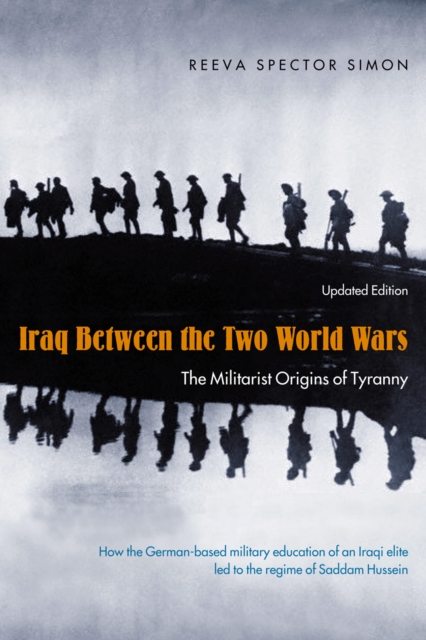
Iraq between the two world wars: the militarist origins of tyranny
2012
Overview
Why did a group from the Iraqi army seize control of the government and wage a disastrous war against Great Britain, rejecting British and liberal values for those of a militaristic Germany? What impact did these actions have on the regime of Saddam Hussein? Departing from previous studies explaining modern Iraqi history in terms of class theory, Simon shows that cultural and ideological factors played an equal, if not more important, role in shaping events. In 1921 the British created Iraq, and an entourage of ex-Ottoman army officers, the Sharifians, became the new ruling elite. Simon contends that this elite, returning to an Iraq made up of different ethnic, religious, and social groups, had to weld these disparate elements into a nation. Pan-Arabism was to be the new focus for loyalty. Schools and the army became the means through which to implement it, and a series of military coups gave the officers the chance to act out the ideology. The result was an abortive revolt against Britain in 1941. The legacy of the revolt is still apparent in the next two generations of Iraqi officers that led to the regime of Saddam Hussein.