Asset Details
Do you wish to reserve the book?

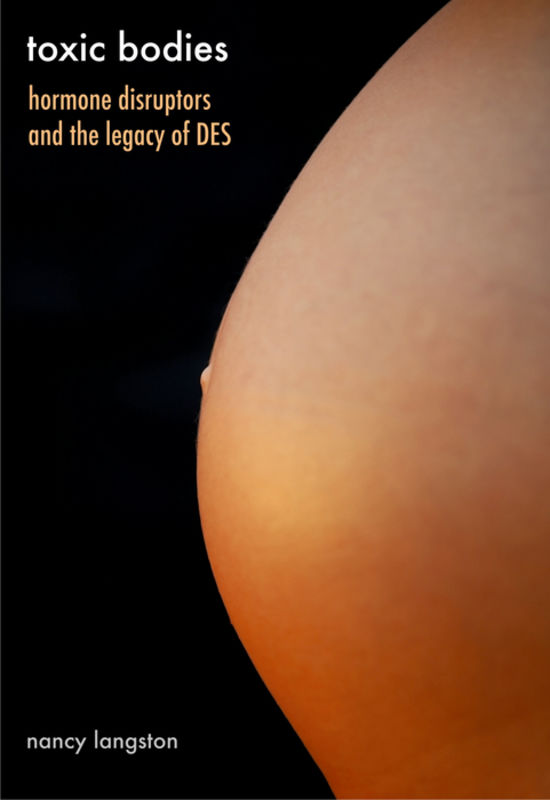
Toxic Bodies

Hey, we have placed the reservation for you!
By the way, why not check out events that you can attend while you pick your title.

Oops! Something went wrong.
Looks like we were not able to place the reservation. Kindly try again later.
Are you sure you want to remove the book from the shelf?
Toxic Bodies

Do you wish to request the book?
Toxic Bodies
Please be aware that the book you have requested cannot be checked out. If you would like to checkout this book, you can reserve another copy

We have requested the book for you!
Your request is successful and it will be processed during the Library working hours. Please check the status of your request in My Requests.
Oops! Something went wrong.
Looks like we were not able to place your request. Kindly try again later.
eBook
Toxic Bodies
2010
Overview
In 1941 the Food and Drug Administration approved the use of diethylstilbestrol (DES), the first synthetic chemical to be marketed as an estrogen and one of the first to be identified as a hormone disruptor-a chemical that mimics hormones. Although researchers knew that DES caused cancer and disrupted sexual development, doctors prescribed it for millions of women, initially for menopause and then for miscarriage, while farmers gave cattle the hormone to promote rapid weight gain. Its residues, and those of other chemicals, in the American food supply are changing the internal ecosystems of human, livestock, and wildlife bodies in increasingly troubling ways.
In this gripping exploration, Nancy Langston shows how these chemicals have penetrated into every aspect of our bodies and ecosystems, yet the U.S. government has largely failed to regulate them and has skillfully manipulated scientific uncertainty to delay regulation. Personally affected by endocrine disruptors, Langston argues that the FDA needs to institute proper regulation of these commonly produced synthetic chemicals.
Publisher
Yale University Press
Subject
ISBN
9780300136074, 0300136072