Asset Details
Do you wish to reserve the book?

Uncanny Bodies

Hey, we have placed the reservation for you!
By the way, why not check out events that you can attend while you pick your title.

Oops! Something went wrong.
Looks like we were not able to place the reservation. Kindly try again later.
Are you sure you want to remove the book from the shelf?
Uncanny Bodies

Do you wish to request the book?
Uncanny Bodies
Please be aware that the book you have requested cannot be checked out. If you would like to checkout this book, you can reserve another copy

We have requested the book for you!
Your request is successful and it will be processed during the Library working hours. Please check the status of your request in My Requests.
Oops! Something went wrong.
Looks like we were not able to place your request. Kindly try again later.
eBook
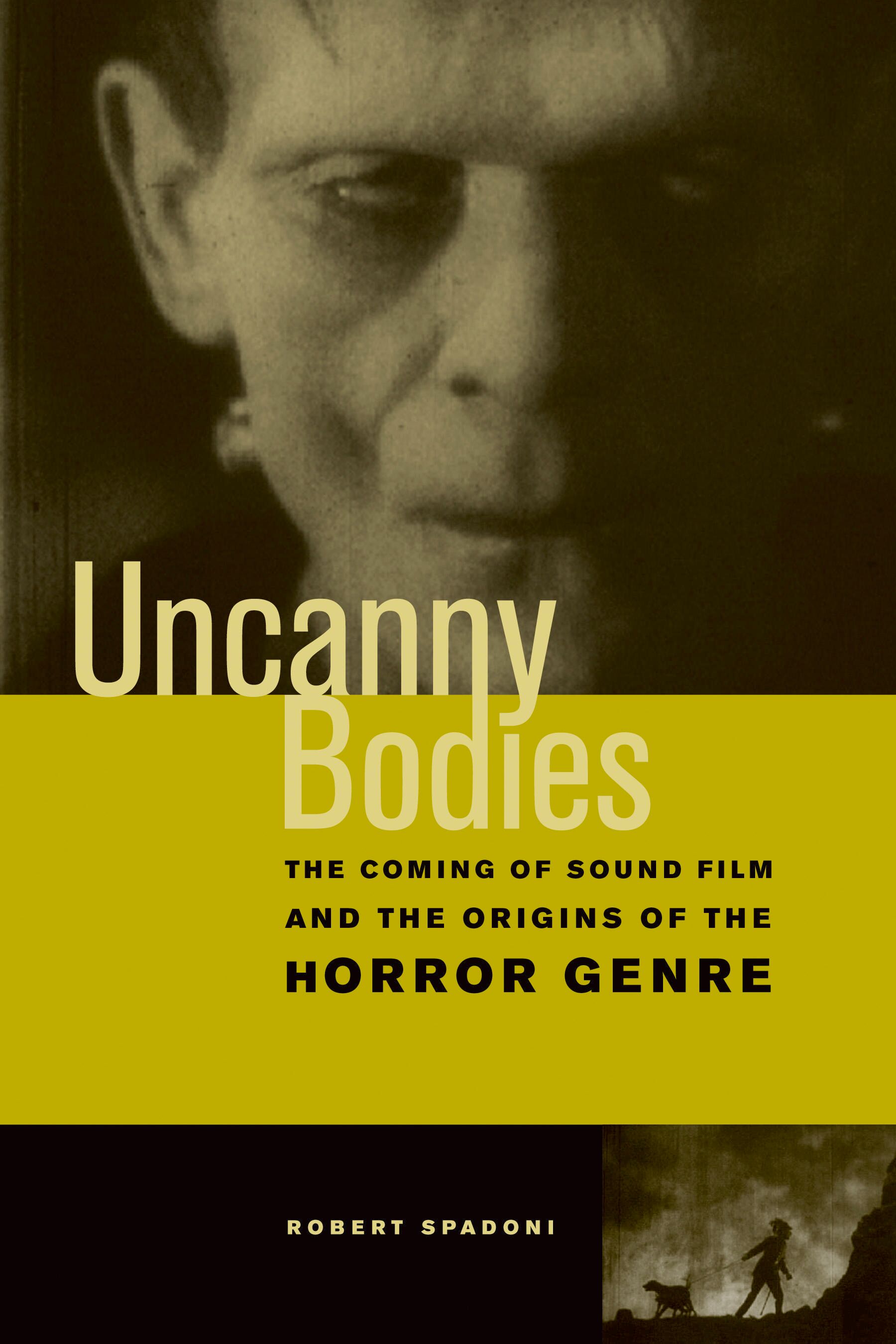
Uncanny Bodies
2019
Overview
In 1931 Universal Pictures released Dracula and Frankenstein, two films that inaugurated the horror genre in Hollywood cinema. These films appeared directly on the heels of Hollywood's transition to sound film. Uncanny Bodies argues that the coming of sound inspired more in these massively influential horror movies than screams, creaking doors, and howling wolves. A close examination of the historical reception of films of the transition period reveals that sound films could seem to their earliest viewers unreal and ghostly. By comparing this audience impression to the first sound horror films, Robert Spadoni makes a case for understanding film viewing as a force that can powerfully shape both the minutest aspects of individual films and the broadest sweep of film production trends, and for seeing aftereffects of the temporary weirdness of sound film deeply etched in the basic character of one of our most enduring film genres.
Publisher
University of California Press
Subject