
Asset Details
Do you wish to reserve the book?

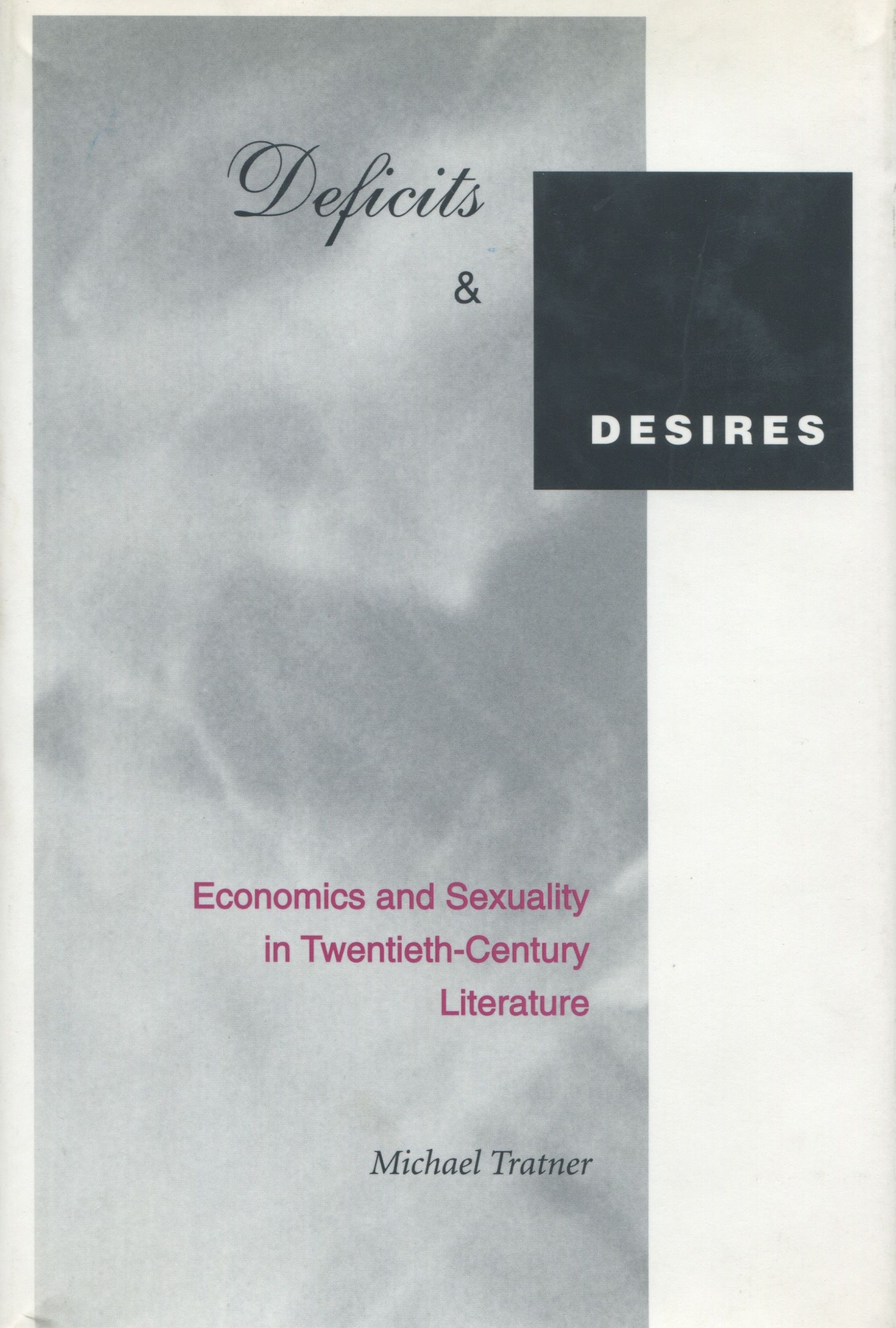
Deficits and Desires

Hey, we have placed the reservation for you!
By the way, why not check out events that you can attend while you pick your title.

Oops! Something went wrong.
Looks like we were not able to place the reservation. Kindly try again later.
Are you sure you want to remove the book from the shelf?
Deficits and Desires

Do you wish to request the book?
Deficits and Desires
Please be aware that the book you have requested cannot be checked out. If you would like to checkout this book, you can reserve another copy

We have requested the book for you!
Your request is successful and it will be processed during the Library working hours. Please check the status of your request in My Requests.
Oops! Something went wrong.
Looks like we were not able to place your request. Kindly try again later.
eBook
Deficits and Desires
2022
Overview
This book examines the effects on literary works of a little-noted economic development in the early twentieth century: individuals and governments alike began to regard going into debt as a normal and even valuable part of life. The author also shows, surprisingly, that the economic changes normalizing debt paralleled and intersected with changes in sexual discourse. In Victorian novels, sex and debt are considered dangerous activities that the young should avoid in order to save and invest toward eventual marriage and a home. In twentieth-century texts, however, it often seems acceptable to go into debt and engage in sex before marriage. These literary representations followed social transformations as both economic and sexual discourse moved from the logic of saving and production to the logic of circulation. In Keynesian economics and consumerism, governments and individuals were actually encouraged to borrow and to spend more in order to increase demand and keep money circulating. In twentieth-century sexual treatises, people were similarly encouraged to indulge their desires, as pent-up states were considered as deleterious to the physical body as they were to the economic. In this book, the author traces these social transformations by examining twentieth-century literary works and films that are structured around contrasts between repressive and expansive forms of economics and sexuality. He studies a range of authors, including James Joyce, F. Scott Fitzgerald, Virginia Woolf, Ezra Pound, Zora Neale Hurston, and Frank Capra. The book ends with the 1960s, because after that decade deficits no longer seemed the cure for anything, and the advocacy of sexual indulgence dwindled. For half a century, however, the intersections of sexual and economic discourses created a sense that society was on the verge of a vast transformation. The artists studied in this book were fascinated by such a prospect, but remained ambivalent, as it seemed that their dreams of escaping dull bourgeois life and ending repression were becoming true because of the influence of the crassest economic policies. Michael Tratner is Associate Professor of English at Bryn Mawr College. His most recent book is Modernism and Mass Politics: Joyce, Woolf, Eliot, Yeats (Stanford, 1995).
Publisher
Stanford University Press


