
Asset Details
Do you wish to reserve the book?

Enclave to Urbanity

Hey, we have placed the reservation for you!
By the way, why not check out events that you can attend while you pick your title.

Oops! Something went wrong.
Looks like we were not able to place the reservation. Kindly try again later.
Are you sure you want to remove the book from the shelf?
Enclave to Urbanity

Do you wish to request the book?
Enclave to Urbanity
Please be aware that the book you have requested cannot be checked out. If you would like to checkout this book, you can reserve another copy

We have requested the book for you!
Your request is successful and it will be processed during the Library working hours. Please check the status of your request in My Requests.
Oops! Something went wrong.
Looks like we were not able to place your request. Kindly try again later.
eBook
Enclave to Urbanity
2024
Overview
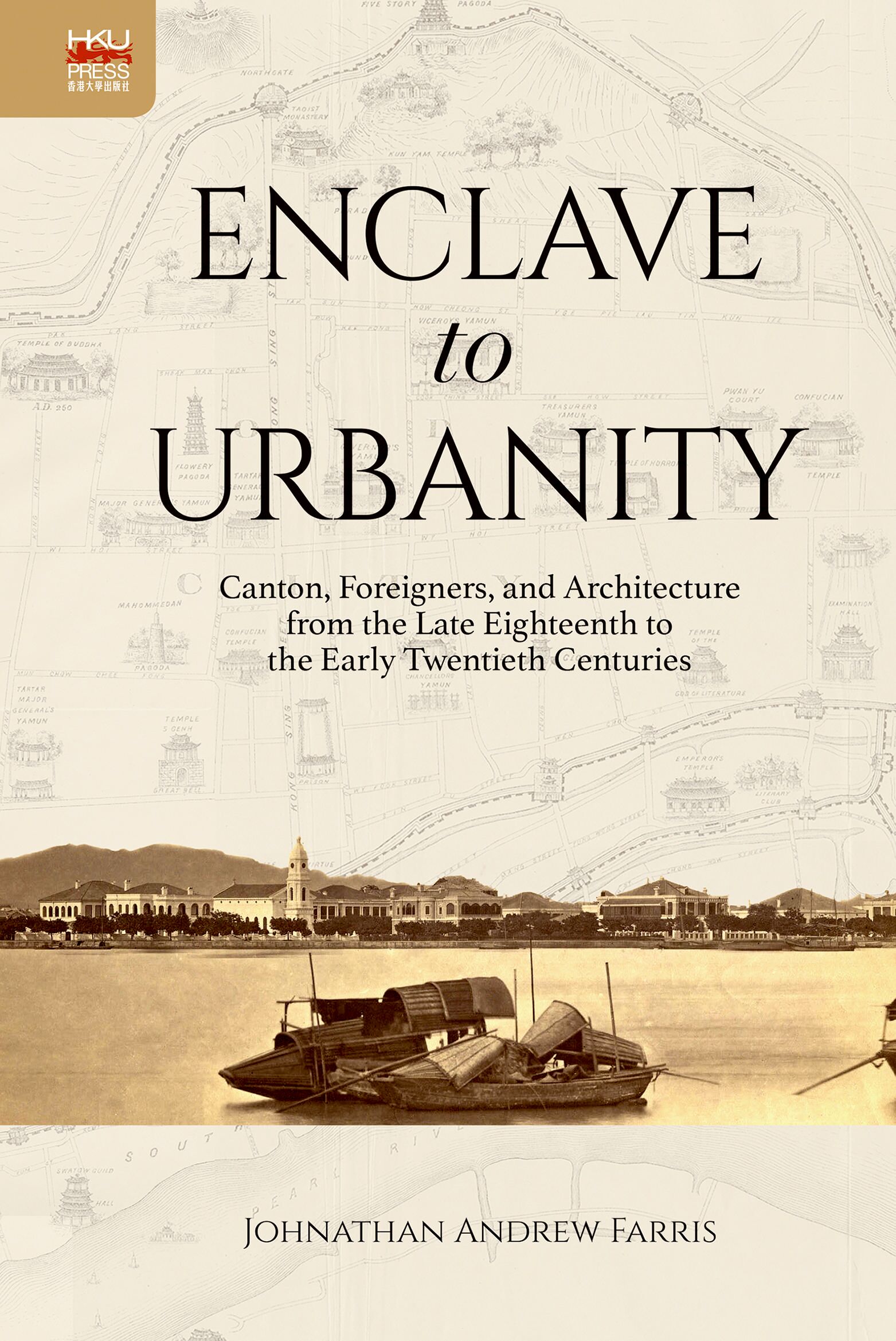
Cross-cultural relations are spatial relations. Enclave to Urbanity is the first book in English that examines how the architecture and the urban landscape of Guangzhou framed the relations between the Western mercantile and missionary communities and the city’s predominantly Chinese population. The book takes readers through three phases: the Thirteen Factories era from the eighteenth century to the 1850s; the Shamian enclave up to the early twentieth century; and the adoption of Western building techniques throughout the city as its architecture modernized in the early Republic. The discussion of architecture goes beyond stylistic trends to embrace the history of shared and disputed spaces, using a broadly chronological approach that combines social history with architectural and spatial analysis. With nearly a hundred carefully chosen images, this book illustrates how the foreign architectural footprints of the past form the modern Guangzhou.
Publisher
Hong Kong University Press


