Catalogue Search | MBRL


Are you sure you want to remove the book from the shelf?

{{itemTitle}}
5
result(s) for
"Bryan, Bill, author"
Sort by:

Making better decisions using systems thinking : how to stop firefighting, deal with root causes and deliver permanent solutions
This book shows how to understand systems in order to make smarter decisions. It offers managers intervention techniques that enable them to solve the core problem instead of wasting time constantly fighting the symptoms. The most obvious part of any problem is the pain it causes. The desire to end the pain and find a solution, any solution, which will make it go away now is usually so great that it blinds managers to the underlying systemic cause of the problem. The result is that we \"solve\" the problem today and then it comes back again tomorrow or next week, again and again. We are only addressing the symptoms but never understanding the cause - like picking the flower heads off weeds but not digging them out at the roots. Schaveling and Bryan offer the insights and tools managers and leaders need to achieve a longer term and more effective approach by stepping back and analyzing the system as a whole. And at the heart of any system are human beings - notoriously short-term and pain-averse creatures who will behave in whatever way minimizes pain today even at the expense of pain tomorrow. They show how to detect the behavior patterns that have become ingrained in the organisation and which underlie complex situations so that root causes of problems can be identified. Once the system responsible for the problem is understood smarter decisions can be made to devise interventions that solve the core problem instead of wasting energy fighting the symptoms.
Book

Villainous Compounds
Most studies of modern chemical warfare begin with World War I and the widespread use of poison gas by both sides in the conflict.However, as Guy R.Hasegawa reveals in this fascinating study, numerous chemical agents were proposed during the Civil War era.
eBook

Power to the middle : why managers hold the keys to the future of work
If you're thinking of cutting your midlevel managers in the new world of work, think again. 'Middle manager.' The term evokes a bygone industrial era in which managers functioned like cogs in a vast bureaucratic machine. In recent decades, midlevel managers became a favourite target for the chopping block - underappreciated, often considered a superfluous layer of the organization. Not only does this outdated perspective need to change, but the future demands it. In 'Power to the Middle', McKinsey thought leaders Bill Schaninger, Bryan Hancock, and Emily Field call for a profound reimagining of managers and their roles. They explain how middle managers are uniquely positioned close to the ground but with a crucial connection to company strategy, enabling them to guide their organizations through periods of rapid and complex change, as well as to help shape the new world of work.
BOOK
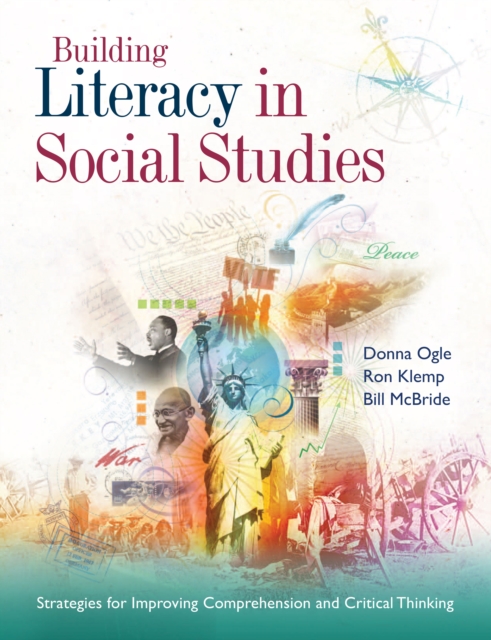
Building Literacy in Social Studies
Preparing students to be active, informed, literate citizens is one of the primary functions of public schools. But how can students become engaged citizens if they can't read, let alone understand, their social studies texts? What can educators—and social studies teachers in particular—do to help students develop the knowledge, skills, and motivation to become engaged in civic life? Building Literacy in Social Studies addresses this question by presenting both the underlying concepts and the research-based techniques that teachers can use to engage students and build the skills they need to become successful readers, critical thinkers, and active citizens. The authors provide targeted strategies—including teaching models, graphic organizers, and step-by-step instructions—for activities such as * Building vocabulary, * Developing textbook literacy skills, * Interpreting primary and secondary sources, * Applying critical thinking skills to newspapers and magazines, and * Evaluating Internet sources. Readers will also learn how to organize classrooms into models of democracy by creating learning communities that support literacy instruction, distribute authority, encourage cooperation, and increase accountability among students. Realistic scenarios depict a typical social studies teacher's experience before and after implementing the strategies in the classroom, showing their potential to make a significant difference in how students respond to instruction. By making literacy strategies a vital part of content-area instruction, teachers not only help students better understand their schoolwork but also open students' eyes to the power that informed and engaged people have to change the world.
eBook