
Catalogue Search | MBRL


Are you sure you want to remove the book from the shelf?

{{itemTitle}}
923
result(s) for
"Clayton, Peter"
Sort by:


Inherited disorders of transition metal metabolism: an update
Elements with a biological role include six trace transition metals: manganese, iron, cobalt, copper, zinc and molybdenum. Transition metals participate in group transfer reactions such as glycosylation and phosphorylation and those that can transfer an electron by alternating between two redox states such as iron (3+/2+) and copper (2+/1+) are also very important in biological redox reactions including the reduction of molecular oxygen and the transport of oxygen. However, these trace metals are also potentially toxic, generating reactive oxygen species through Fenton chemistry. Recently, a role of trace metals in host defence (“nutritional immunity”) has been recognized. The host can deprive the pathogen of a trace metal or poison it with a toxic concentration. Disorders leading to low concentrations of a trace metal can often be treated by supplementing that metal; disorders leading to excessively high concentrations can often be treated with chelating agents such as penicillamine and disodium calcium edetate. This update will address: i) the manganese/zinc transporters (because two new treatable disorders were described in 2016 – SLC39A8 deficiency and SLC39A14 deficiency); ii) copper transporter disorders because we need to improve the treatment of patients with neurological symptoms due to Wilson’s disease; and iii) iron homeostasis because recent progress in research into the metabolism of iron and its regulation helps us better understand several inborn errors affecting these pathways.
Journal Article

لغة الجسد : مدلول حركات الجسد وكيفية التعامل معها
يتناول كتاب (لغة الجسد : مدلول حركات الجسد وكيفية التعامل معها) والذي قام بتأليفه (بيتر كليتون) في حوالي (151) صفحة من القطع المتوسط، أسرتك أو جيرانك أو ما شابه. كما قد يساعدك على تخطي والتعامل مع المواقف المختلفة التي تتعرض لها في عملك. سوف يساعدك هذا الكتاب العملي على تعلم فن وأسرار لغة الجسد بسهولة وإتقانها بكل مهارة.
Book
B6‐responsive disorders: A model of vitamin dependency
Summary Pyridoxal phosphate is the cofactor for over 100 enzyme‐catalysed reactions in the body, including many involved in the synthesis or catabolism of neurotransmitters. Inadequate levels of pyridoxal phosphate in the brain cause neurological dysfunction, particularly epilepsy. There are several different mechanisms that lead to an increased requirement for pyridoxine and/or pyridoxal phosphate. These include: (i) inborn errors affecting the pathways of B6 vitamer metabolism; (ii) inborn errors that lead to accumulation of small molecules that react with pyridoxal phosphate and inactivate it; (iii) drugs that react with pyridoxal phosphate; (iv) coeliac disease, which is thought to lead to malabsorption of B6 vitamers; (v) renal dialysis, which leads to increased losses of B6 vitamers from the circulation; (vi) drugs that affect the metabolism of B6 vitamers; and (vii) inborn errors affecting specific pyridoxal phosphate‐dependent enzymes. The last show a very variable degree of pyridoxine responsiveness, from 90% in X‐linked sideroblastic anaemia (δ‐aminolevulinate synthase deficiency) through 50% in homocystinuria (cystathionine β‐synthase deficiency) to 5% in ornithinaemia with gyrate atrophy (ornithine δ‐aminotransferase deficiency). The possible role of pyridoxal phosphate as a chaperone during folding of nascent enzymes is discussed. High‐dose pyridoxine or pyridoxal phosphate may have deleterious side‐effects (particularly peripheral neuropathy with pyridoxine) and this must be considered in treatment regimes. None the less, in some patients, particularly infants with intractable epilepsy, treatment with pyridoxine or pyridoxal phosphate can be life‐saving, and in other infants with inborn errors of metabolism B6 treatment can be extremely beneficial.
Journal Article

تو ألفا ليما : السنوات العشر الأولى من تاريخ قوة ساحل عمان وكشافة ساحل عمان (1950-1960)
يتناول هذا الكتاب بصورة مباشرة مسيرة وأنشطة قوة عسكرية صغيرة عملت في نطاق المنطقة التي كانت تعرف بالإمارات المتصالحة على سواحل الخليج العربي ويقدم هذا الكتاب الذي تم إعداده في صيغة مفكرة، سردا للسنوات العشر الأولى من تأريخ هذه القوة حيث يبدأ بوصف تفصيلي لكيفية تشكيلها في عام 1950 وكانت مهمة هذه القوة حماية حدود وشعب الإمارات التي تتكون منها دولة الإمارات العربية المتحدة الآن ضد الاعتداءات الخارجية في ذلك الوقت ويؤرخ الكتاب للأحداث العديدة التي تعاملت معها قوة ساحل عمان وكشافة ساحل عمان طبقا للتسلسل الزمني شاملة الحصار الذي ضرب على واحة البريمي بالإضافة إلى التمردين الأول والثاني في عمان.
BOOK

The monoamine neurotransmitter disorders: an expanding range of neurological syndromes
The monoamine neurotransmitter disorders consist of a rapidly expanding heterogeneous group of neurological syndromes characterised by primary and secondary defects in the biosynthesis degradation, or transport of dopamine, norepinephrine, epinephrine, and serotonin. Disease onset can occur any time from infancy onwards. Clinical presentation depends on the pattern and severity of neurotransmitter abnormalities, and is predominated by neurological features (encephalopathy, epilepsy, and pyramidal and extrapyramidal motor disorders) that are primarily attributed to deficiency of cerebral dopamine, serotonin, or both. Many neurotransmitter disorders mimic the phenotype of other neurological disorders (eg, cerebral palsy, hypoxic ischaemic encephalopathy, paroxysmal disorders, inherited metabolic diseases, and genetic dystonic or parkinsonian syndromes) and are, therefore, frequently misdiagnosed. Early clinical suspicion and appropriate investigations, including analysis of neurotransmitters in CSF, are essential for accurate clinical diagnosis. Treatment strategies focus on the correction of monoamine deficiency by replacement of monoamine precursors, the use of monoamine analogues, inhibition of monoamine degradation, and addition of enzyme cofactors to promote monoamine production.
Journal Article
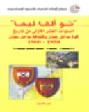
تو ألفا ليما : السنوات العشر الأولى من تاريخ قوة ساحل عمان وكشافة ساحل عمان (1950-1960)
يتناول هذا الكتاب بصورة مباشرة مسيرة وأنشطة قوة عسكرية صغيرة عملت في نطاق المنطقة التي كانت تعرف بالإمارات المتصالحة على سواحل الخليج العربي ويقدم هذا الكتاب الذي تم إعداده في صيغة مفكرة، سردا للسنوات العشر الأولى من تأريخ هذه القوة حيث يبدأ بوصف تفصيلي لكيفية تشكيلها في عام 1950 وكانت مهمة هذه القوة حماية حدود وشعب الإمارات التي تتكون منها دولة الإمارات العربية المتحدة الآن ضد الاعتداءات الخارجية في ذلك الوقت ويؤرخ الكتاب للأحداث العديدة التي تعاملت معها قوة ساحل عمان وكشافة ساحل عمان طبقا للتسلسل الزمني شاملة الحصار الذي ضرب على واحة البريمي بالإضافة إلى التمردين الأول والثاني في عمان.
BOOK

Mutations in SLC39A14 disrupt manganese homeostasis and cause childhood-onset parkinsonism–dystonia
Although manganese is an essential trace metal, little is known about its transport and homeostatic regulation. Here we have identified a cohort of patients with a novel autosomal recessive manganese transporter defect caused by mutations in
SLC39A14.
Excessive accumulation of manganese in these patients results in rapidly progressive childhood-onset parkinsonism–dystonia with distinctive brain magnetic resonance imaging appearances and neurodegenerative features on post-mortem examination. We show that mutations in
SLC39A14
impair manganese transport
in vitro
and lead to manganese dyshomeostasis and altered locomotor activity in zebrafish with CRISPR-induced
slc39a14
null mutations. Chelation with disodium calcium edetate lowers blood manganese levels in patients and can lead to striking clinical improvement. Our results demonstrate that SLC39A14 functions as a pivotal manganese transporter in vertebrates.
Karin Tuschl, Philippa Mills and colleagues report mutations in the manganese (Mn) transporter gene
SLC39A14
in childhood-onset parkinsonism-dystonia. Using functional recapitulation, the authors also show that slc39A14 loss-of-function in zebrafish can lead to Mn dysregulation and locomotor impairment.
Journal Article

Portrait of the artist
The first exhibition to focus on images of artists from within the Royal Collection, 'Portrait of the Artist' not only show-cases self-portraits by world-renowned artists including Rembrandt, Rubens, Artemisia Gentileschi, Lucian Freud and David Hockney but also features images of artists by their friends, relatives and pupils, including the most reliable surviving likeness of Leonardo da Vinci by his student, Francesco Melzi. Well-known self-portraits intended to advertise the artist's talents will be shown alongside more intimate and personal works. The exhibition will examine a range of themes played out within these objects, from the 'cult' of the artist to the symbolism evoked through images of the artist's studio. The changing status of the artist over the centuries is another theme and the way in this is conveyed, both in the physical works and in the relationships between artist and patron will be highlighted. The role of monarchs in commissioning, collecting and displaying portraits of artists will also be discussed.
Book

Growth hormone, the insulin-like growth factor axis, insulin and cancer risk
Growth hormone, insulin-like growth factor I and insulin have potent growth-promoting and anabolic actions. Their potential involvement in tumor promotion and progression has been of concern for several decades. In this Review Peter Clayton and colleagues examine the complex evidence regarding growth hormone, the insulin-like growth factor axis, insulin and cancer risk.
Growth hormone (GH), insulin-like growth factor (IGF)-I and insulin have potent growth-promoting and anabolic actions. Their potential involvement in tumor promotion and progression has been of concern for several decades. The evidence that GH, IGF-I and insulin can promote and contribute to cancer progression comes from various sources, including transgenic and knockout mouse models and animal and human cell lines derived from cancers. Assessments of the GH–IGF axis in healthy individuals followed up to assess cancer incidence provide direct evidence of this risk; raised IGF-I levels in blood are associated with a slightly increased risk of some cancers. Studies of human diseases characterized by excess growth factor secretion or treated with growth factors have produced reassuring data, with no notable increases in
de novo
cancers in children treated with GH. Although follow-up for the vast majority of these children does not yet extend beyond young adulthood, a slight increase in cancers in those with long-standing excess GH secretion (as seen in patients with acromegaly) and no overall increase in cancer with insulin treatment, have been observed. Nevertheless, long-term surveillance for cancer incidence in all populations exposed to increased levels of GH is vitally important.
Key Points
Growth hormone (GH), insulin-like growth factor I (IGF-I) and insulin have the potential to promote tumor growth and progression
Cumulative evidence from epidemiological studies supports an association between raised circulating levels of IGF-I and a slightly increased risk of certain cancers
Acromegaly, a disorder characterized by long-standing excess GH secretion, is associated with a small increased risk of colorectal and thyroid cancers
In follow-up studies through childhood, cancer risk is not raised by therapeutic use of GH, with the exception of a small increase in second cancers in childhood cancer survivors
Conditions characterized by hyperinsulinemia, such as obesity and type 2 diabetes mellitus, are associated with increased risk of several cancer types
Overall, cancer risk is not increased by the therapeutic use of insulin and/or insulin analogs in patients with diabetes mellitus, but the evidence is complex
Journal Article