
Catalogue Search | MBRL


Are you sure you want to remove the book from the shelf?

{{itemTitle}}
662
result(s) for
"Cooper, Deborah"
Sort by:
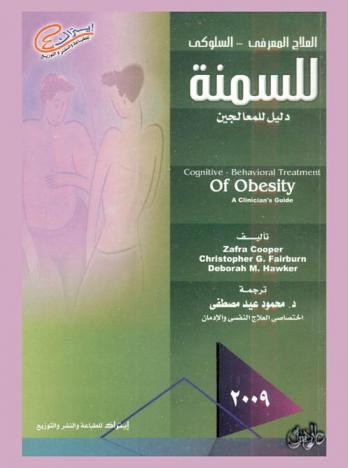
العلاج المعرفي السلوكي للسمنة : دليل للمعالجين
يعرض الكتاب الذي بين أيدينا الآن لأسلوب العلاج المعرفي السلوكي في علاج البدانة (السمنة) تأسيسا على ما تم في دراسة أوكسفورد يشير مؤلفوا الكتاب أن دراسة أوكسفورد لم يتم اختيار نتائجها على المدى البعيد، إلا أن نتائجها كانت حاسمة ودقيقة وفعالة في علاج البدانة والإضطرابات المرتبطة بها مثل أختلال صورة الذات وصورة الجسم والثقة بالنفس والتفاعل الإجتماعي.
Book

Changing the Name of Diabetes Insipidus: A Position Statement of the Working Group for Renaming Diabetes Insipidus
Abstract
Recent data show that patients with a diagnosis of diabetes insipidus (DI) are coming to harm. Here we give the rationale for a name change to arginine vasopressin deficiency and resistance for central and nephrogenic DI, respectively.
Journal Article

Localization of a toxic form of superoxide dismutase 1 protein to pathologically affected tissues in familial ALS
Mutations in the gene encoding superoxide dismutase 1 (SOD1) account for about 20% of the cases of familial amyotrophic lateral sclerosis (fALS). It is not known how the mutant protein causes disease, or why only a subset of cell types (motor neurons) are targeted. The aggregation and misfolding of mutant SOD1 are implicated in disease pathogenesis in both animal models and humans. We used a monoclonal antibody, C4F6, which specifically reacts with mutant and/or \"misfolded\" SOD1, to investigate the regional distribution of mutant SOD1 protein in rodent and human tissues. C4F6 reacted only with mutant SOD1 and showed remarkable selectivity for disease-affected tissues and cells. Tissue not affected by disease but containing high levels of mutant protein (sensory neurons) did not stain with C4F6. Additionally, C4F6 intensely stained some motor neurons while leaving adjacent motor neurons unstained. Although C4F6 was generated against the G93A SOD1 mutant, it also recognized other SOD1 mutants. In human autopsy tissues from patients carrying SOD1 mutations, C4F6 identified skein-like intracellular inclusions in motor neurons, similar to those seen in rodents, and again stained only a subset of motor neurons. In spinal cords from patients with sporadic ALS, other neurodegenerative diseases, and normal controls, C4F6-immunoreactive inclusions were not detected, but the antibody did reveal diffuse immunostaining of some spinal motor neurons. The ability of C4F6 to differentiate pathologically affected tissue in mutant SOD1 ALS rodent models and humans, specifically motor neuron populations, suggests that this antibody may recognize a \"toxic\" form of the mutant SOD1 protein.
Journal Article

Suicide among youth and young adults in Canada: bereaved parents’ perspectives on the systems of care
Background
Suicide is the second leading cause of death among youth and young adults aged 15–24 in Canada. Emergency departments often serve as the first point of contact for identifying suicide risk, particularly for youth and young adults, partly due to the inaccessibility and unavailability of community mental health services. Almost half of the youth who die by suicide visit an emergency department in the year preceding their death, and up to 90% have untreated mental health and substance use concerns. Studies have found that parents describe youth mental health services as harmful, fragmented, inaccessible, and inadequate in meeting their children’s needs. Significant gaps remain in our understanding of the experiences with the systems of care for youth who die by suicide. Parents are uniquely positioned to provide vital insights, enhancing our understanding of the role that systems of care play in addressing and preventing suicide. The aim of this study was to better understand how bereaved parents describe the systems of care that provided services to their youth prior to the suicide.
Methods
This qualitative study used a community-based participatory research approach in partnership with Eli’s Place, a rural residential treatment centre currently in development for young adults with serious mental illness. Participants were eligible if they were parents or caregivers residing in Ontario, Canada, of a youth or young adult under the age of 30 who died by suicide. Semi-structured interviews were conducted, and data were analyzed using thematic analysis.
Results
Seventeen participants took part in the study, including 12 mothers and five fathers. The ages of the youth ranged from 12 to 29 years, with a mean age of 18. Most of the youth had diagnosed mental health and addiction-related concerns, and most had received mental health services. Our analysis of parents’ experiences and perspectives identified eight key themes, highlighting critical gaps in the mental health systems involved in their youth’s care: (1) barriers in accessing services; (2) gaps in continuity and coordination of care; (3) absence of guidelines for assessments, treatment, and safety planning; (4) inconsistent quality of care; (5) inadequate training and education for service providers; (6) insufficient involvement of parents and caregivers; (7) limited psychoeducation for youth and families; and (8) experiences of bullying, racism, and discrimination, with a lack of accountability.
Conclusions
Youth suicide is a serious public health concern that requires a systems of care approach, incorporating integrated services with coordinated care and child- and family-centred approaches. In 2024, Canada introduced its first National Suicide Prevention Action Plan, marking a significant and promising advancement in suicide prevention. However, its effectiveness in reducing suicides across Canada will depend on robust implementation, supported by strong political leadership, dedicated funding and resources, and multisectoral collaboration.
Journal Article

Amitriptyline at low-dose and titrated for irritable bowel syndrome as second-line treatment (The ATLANTIS trial): protocol for a randomised double-blind placebo-controlled trial in primary care
Background
Irritable bowel syndrome (IBS) is a common functional bowel disorder that has a considerable impact on patient quality of life and substantial societal and health care resource costs. Current treatments are often ineffective. Tricyclic antidepressants have shown promise in secondary care populations but their effectiveness in a primary care setting remains unclear.
Methods
ATLANTIS is a randomised, multi-centre, parallel-group, two-arm, double-blind, placebo-controlled trial of low-dose amitriptyline as a second-line treatment for IBS in primary care. Participants will be invited by letter, or recruited opportunistically, from general practices in three regions of England (West Yorkshire, Wessex, and West of England) and screened for eligibility. A total of 518 adult patients with IBS, who are symptomatic despite first-line therapies, will be randomised 1:1 to amitriptyline or identical placebo for 6 months. Treatment will commence at a dose of 10 mg (or one placebo tablet) daily at night, with dose titration up to a maximum of 30 mg at night, depending on side effects and response to treatment. Participant-reported assessments will be conducted at baseline and 3, 6, and 12 months post-randomisation. The primary objective is to determine the effectiveness of amitriptyline, compared with placebo, in improving participant-reported global symptoms of IBS at 6 months (using the IBS Severity Scoring System). Secondary outcomes include relief of IBS symptoms, effect on IBS-associated somatic symptoms (Patient Health Questionnaire-12), anxiety and depression (Hospital Anxiety and Depression Scale), ability to work and participate in other activities (Work and Social Adjustment Scale), acceptability and tolerability of treatment, self-reported health care use, health-related quality of life (EQ-5D-3L), and cost-effectiveness. A nested, qualitative study will explore patient and general practitioner experiences of treatments and trial participation, including acceptability, adherence, unanticipated effects, and implications for wider use of amitriptyline for IBS in primary care.
Discussion
Determining the clinical and cost-effectiveness of low-dose amitriptyline as a second-line treatment for IBS in primary care will provide robust evidence to inform management decisions.
Trial registration
ISRCTN ISRCTN48075063
. Registered on 7th June 2019.
Journal Article

Aberrant septin 11 is associated with sporadic frontotemporal lobar degeneration
Background
Detergent-insoluble protein accumulation and aggregation in the brain is one of the pathological hallmarks of neurodegenerative diseases. Here, we describe the identification of septin 11 (SEPT11), an enriched component of detergent-resistant fractions in frontotemporal lobar degeneration with ubiquitin-immunoreactive inclusions (FTLD-U), using large-scale unbiased proteomics approaches.
Results
We developed and applied orthogonal quantitative proteomic strategies for the unbiased identification of disease-associated proteins in FTLD-U. Using these approaches, we proteomically profiled detergent-insoluble protein extracts prepared from frontal cortex of FTLD-U cases, unaffected controls, or neurologic controls (i.e. Alzheimer's disease; AD). Among the proteins altered specifically in FTLD-U, we identified TAR DNA binding protein-43 (TDP-43), a known component of ubiquitinated inclusions. Moreover, we identified additional proteins enriched in detergent-resistant fractions in FTLD-U, and characterized one of them, SEPT11, in detail. Using independent highly sensitive targeted proteomics approaches, we confirmed the enrichment of SEPT11 in FTLD-U extracts. We further showed that SEPT11 is proteolytically cleaved into N-terminal fragments and, in addition to its prominent glial localization in normal brain, accumulates in thread-like pathology in affected cortex of FTLD-U patients.
Conclusions
The proteomic discovery of insoluble SEPT11 accumulation in FTLD-U, along with novel pathological associations, highlights a role for this cytoskeleton-associated protein in the pathogenesis of this complex disorder.
Journal Article

Patient-Reported Outcomes after Monitoring, Surgery, or Radiotherapy for Prostate Cancer
The choice of treatment for PSA-detected, localized prostate cancer is influenced by effects of the interventions on quality of life. In the ProtecT trial, patterns of side-effect severity, improvement, and decline in urinary, sexual, and bowel function differed among the treatments.
As reported in a companion article in the
Journal,
the U.K. National Institute for Health Research–supported Prostate Testing for Cancer and Treatment (ProtecT) trial has shown no significant difference in prostate-cancer–specific mortality or all-cause mortality among men with prostate cancer detected by prostate-specific antigen (PSA) testing who were randomly assigned to radical prostatectomy, active monitoring (a surveillance strategy), or radical conformal radiotherapy with neoadjuvant hormonal therapy, at a median of 10 years of follow-up; however, the ProtecT trial has shown higher rates of metastases and disease progression among men in the active-monitoring group than among men in the radical-treatment groups. . . .
Journal Article

Amitriptyline at Low-Dose and Titrated for Irritable Bowel Syndrome as Second-Line Treatment in primary care (ATLANTIS): a randomised, double-blind, placebo-controlled, phase 3 trial
Most patients with irritable bowel syndrome (IBS) are managed in primary care. When first-line therapies for IBS are ineffective, the UK National Institute for Health and Care Excellence guideline suggests considering low- dose tricyclic antidepressants as second-line treatment, but their effectiveness in primary care is unknown, and they are infrequently prescribed in this setting.
This randomised, double-blind, placebo-controlled trial (Amitriptyline at Low-Dose and Titrated for Irritable Bowel Syndrome as Second-Line Treatment [ATLANTIS]) was conducted at 55 general practices in England. Eligible participants were aged 18 years or older, with Rome IV IBS of any subtype, and ongoing symptoms (IBS Severity Scoring System [IBS-SSS] score ≥75 points) despite dietary changes and first-line therapies, a normal full blood count and C-reactive protein, negative coeliac serology, and no evidence of suicidal ideation. Participants were randomly assigned (1:1) to low-dose oral amitriptyline (10 mg once daily) or placebo for 6 months, with dose titration over 3 weeks (up to 30 mg once daily), according to symptoms and tolerability. Participants, their general practitioners, investigators, and the analysis team were all masked to allocation throughout the trial. The primary outcome was the IBS-SSS score at 6 months. Effectiveness analyses were according to intention-to-treat; safety analyses were on all participants who took at least one dose of the trial medication. This trial is registered with the ISRCTN Registry (ISRCTN48075063) and is closed to new participants.
Between Oct 18, 2019, and April 11, 2022, 463 participants (mean age 48·5 years [SD 16·1], 315 [68%] female to 148 [32%] male) were randomly allocated to receive low-dose amitriptyline (232) or placebo (231). Intention-to-treat analysis of the primary outcome showed a significant difference in favour of low-dose amitriptyline in IBS-SSS score between groups at 6 months (–27·0, 95% CI –46·9 to –7·10; p=0·0079). 46 (20%) participants discontinued low-dose amitriptyline (30 [13%] due to adverse events), and 59 (26%) discontinued placebo (20 [9%] due to adverse events) before 6 months. There were five serious adverse reactions (two in the amitriptyline group and three in the placebo group), and five serious adverse events unrelated to trial medication.
To our knowledge, this is the largest trial of a tricyclic antidepressant in IBS ever conducted. Titrated low-dose amitriptyline was superior to placebo as a second-line treatment for IBS in primary care across multiple outcomes, and was safe and well tolerated. General practitioners should offer low-dose amitriptyline to patients with IBS whose symptoms do not improve with first-line therapies, with appropriate support to guide patient-led dose titration, such as the self-titration document developed for this trial.
National Institute for Health and Care Research Health Technology Assessment Programme (grant reference 16/162/01).
Journal Article

Medium- and Short-Chain L-3-Hydroxyl-Acetyl-Coenzyme A Deficiency: A New Identified Mutation in Four Cases
Abstract
Medium- and short-chain L-3-hydroxyacyl-coenzyme A dehydrogenase (M/SCHAD, SCHAD) deficiency is a mitochondrial fatty acid oxidation disorder (FAOD). This enzyme catalyzes the penultimate step in fatty acid oxidation, the NAD+ dependent conversion of L-3-hydroxyacyl-CoA to 3-ketoacyl-CoA for medium- and short-chain acyl-CoA intermediates (C4-C12). The clinical presentations of most patients are recurrent hypoglycemia associated with hyperinsulinism. We presented four infants with C4 acyl-carnitine elevation identified by newborn screening that also showed an unusual phenotype of congenital hypotonia and gross developmental delay. Enzymatic studies confirmed the disease. Sequencing analysis of all the HADH coding exons on the four patients revealed a homozygous variant of a novel change (c.908G>T, p.Gly303Val). Western blot analysis subsequently confirmed the lack of the SCHAD protein. In addition, there is another previously reported benign variant (c.257T>C) identified in three infants. Therefore, we postulate that the HADH variant (c.908G>T) is indeed pathogenic and associated with a severe phenotype as evidenced by the cases described herein. Population screening for the c.908G>T mutation suggests this mutation to be common among Puerto Ricans. We recommend that SCHAD deficiency is included as part of the differential diagnosis of all infants with congenital hypotonia.
Journal Article

O51 Amitriptyline at low-dose and titrated for irritable bowel syndrome as second-line treatment (the ATLANTIS study): a double-blind placebo-controlled trial
IntroductionIBS impacts patients’ quality of life and has substantial societal and health care resource costs. NICE guidelines recommend considering low-dose amitriptyline if first line treatments are ineffective. However, evidence for patients in primary care is unclear and few GPs currently prescribe amitriptyline for IBS.MethodsNIHR HTA-funded double-blind, randomised, placebo-controlled, superiority trial of low-dose amitriptyline (10–30mg participant self-titrated) for adults with IBS in primary care. Eligibility: Adults with ongoing troublesome IBS symptoms despite trying first-line IBS treatments. Normal screening bloods: FBC, CRP, and negative tTG for coeliac disease. Exclusion criteria: meeting NICE 2-week referral criteria for lower gastrointestinal cancer, coeliac disease, inflammatory bowel disease, colorectal cancer, pregnancy, breastfeeding, current use/contraindications to amitriptyline. Recruitment: via GP letter invite and opportunistic recruitment in GP surgeries in England through Wessex, West of England, West Yorkshire recruitment hubs. Participants randomised 1:1 amitriptyline or matched placebo for 6 months. Participants, investigators, and study personnel masked to treatment allocation. Study drugs dispensed by a central pharmacy. Participant-completed assessments online/by post at baseline and 3 and 6 months. Primary outcome: IBS Symptom Severity Score at 6 months. Secondary outcomes: Satisfactory relief of IBS symptoms, somatoform symptom-reporting, mood, work and social adjustment, self-reported health care use, health-related quality of life, acceptability and tolerability, qualitative patient and GP experiences.Results463 patients were recruited from 55 GP surgeries from December 2019 to April 2022. This is the largest trial of amitriptyline for IBS worldwide. Follow up is complete, and data analysis underway. Results will be available at the conference.ConclusionsDetermining the clinical effectiveness of low-dose amitriptyline for IBS in primary care will provide robust evidence to enable patients and clinicians to make better informed treatment decisions. ISRCTN48075063
Journal Article