
Catalogue Search | MBRL


Are you sure you want to remove the book from the shelf?

{{itemTitle}}
89
result(s) for
"Fellini, Federico"
Sort by:
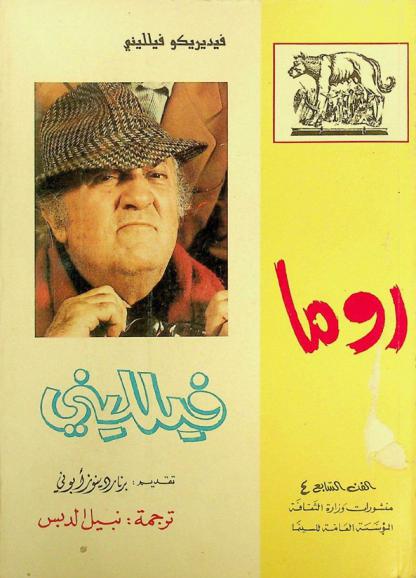
روما فيلليني
روما عبر موشور رؤية فيلليني الذي يعيد تشكيلها متناثرة، مشوهة وهذه المدينة التي يحب ويخشى التي يحترم ويسخف والمدينة التي تسحره وتكتم أنفسها وروما الهاربة، حاضرة العالم المعاصر، وعاصمة البابوية، تهب نفسها جسدا وروحا لفيلليني وتنقاد لعبقريته ونزعاته لشراسته وعظمته، تتجلى وتتشوه وإثر مشاهدة هذا الفيلم الباروكي العاصف، المبعثر والمتماسك، المبني بمهارة فائقة، هذا الفيلم الذي لا يمكن مقارنته بأي فيلم آخر؛ إذ يبدو مصنوعا من نسيج مختلف ومن معدن مختلف، كيف لنا أن ننكر أن فيديريكو فيلليني، من بين جمهرة السينمائيين البارعين، يظل أحد النادرين الذين يستحقون بحق اسم المبدع.
Book
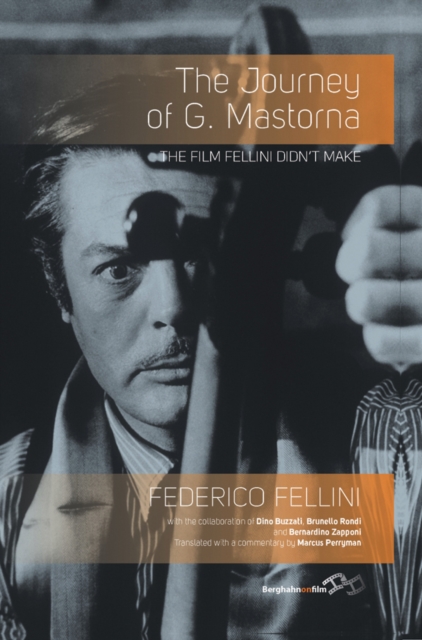
The journey of G. Mastorna
Federico Fellini's script for perhaps the most famous unmade film in Italian cinema,The Journey of G. Mastorna(1965/6), is published here for the first time in full English translation. It offers the reader a remarkable insight into Fellini's creative process and his fascination with human mortality and the great mystery of death. Written in collaboration with Dino Buzzati, Brunello Rondi, and Bernardino Zapponi, the project was ultimately abandoned for a number of reasons, including Fellini's near death, although it continued to inhabit his creative imagination and the landscape of his films for the rest of his career.
Marcus Perryman has written two supporting essays which discuss the reasons why the film was never made, compare it to the two other films in the trilogyLa Dolce Vitaand8½, and analyze the script in the light ofIt's a Wonderful Lifeand Fredric Brown's sci-fi novelWhat Mad Universe. In doing so he opens up an entire world of connections to Fellini's other films, writers and collaborators. It should be essential reading for students and academics studying Fellini's work.
eBook
Imagining Mastorna
Like8½, Fellini’s next film,Giulietta degli spiriti(1965) lavishly blended memories, dreams, fantasy and desire, this time with an increasingly explicit interest in analytical psychology and the esoteric. Unlike8½, it was poorly received. Critics complained of its excessive symbolism, protracted fantasy scenes, the reiterated childhood memory of the repression of sexuality by the Catholic Church, and the schematic visions of femininity, which gave the film an overblown baroque feel. It was considered self-indulgent and self-referential (fingers were pointed at the harem scene repeated from8½– as it would be again, in a final attempt to assuage feminist critics,
Book Chapter
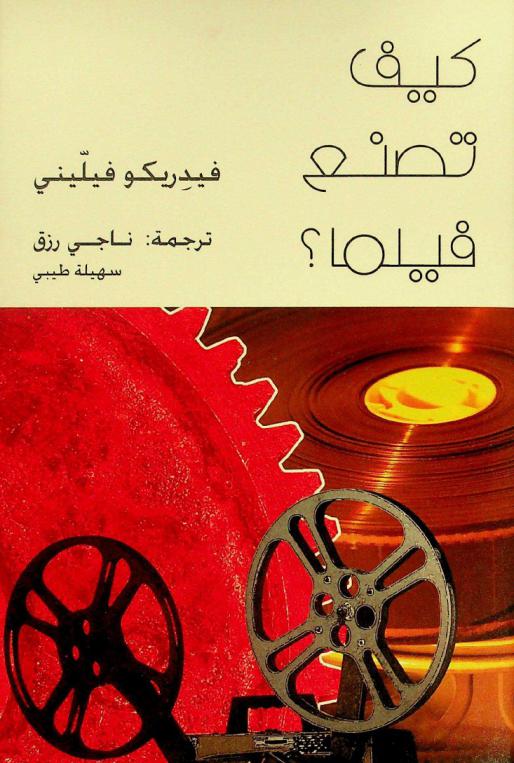
كيف تصنع فيلما ؟
ما هي فلسفتك فيما يتعلق بصنع الأفلام؟ وأي هدف يحدد خلال تصويرها؟ هل هناك أهداف خفية باستثناء إمتاع الجمهور؟ أسئلة لا أعرف على الإطلاق الإجابة عنها. أعتقد أني أخرج الأفلام لعجزي عن القيام بشيء آخر، ويبدو لي أن الظروف قد تشكلت على الفور بشكل تلقائي وطبيعي، لتسهيل هذا الأمر المحتوم. ذكرت من قبل أني لم أكن أتوقع اشتغالي بالإخراج، ولكن بدا لي منذ اليوم الأول، منذ أن صرخت للمرة الأولى: كاميرا، أكشن، ستوب، أن هذا ما سأقوم به دائما، وأنه ليس بإمكاني فعل شيء آخر، فهذا أنا وهذه حياتي. لا أتطلع إذن خلال تنفيذي للأفلام إلى أي شيء آخر سوى طاعة هذا التوجه الطبيعي، سرد القصص من خلال السينما، قصص تناسب شخصيتي ويريق لي سردها، في مزيج متداخل من الصراحة والابتكار، الرغبة في إثارة الدهشة، في الاعتراف، وتبرئة الذات.
BOOK
The Journey of G. Mastorna
A large commercial passenger plane, high over an unending sea of clouds.
Here and there, the rays of the setting sun dazzle the windows of the huge passenger compartment.
On board the packed plane, they’re showing a film: Laurel and Hardy trying to climb the steep sides of a giant bathtub.
Some passengers are asleep, their eyes masked. Others are having dinner, others still reading intently.
Mastorna, a man of about forty-five, takes off the headphones he is using to follow the film and continues to watch the silent images on the small screen, absent-mindedly, bored.
Suddenly, everything goes dark:
Book Chapter
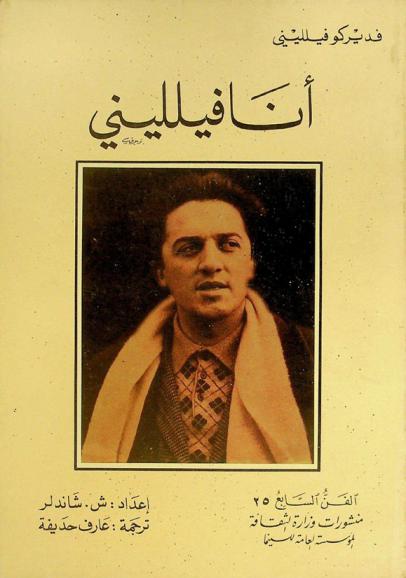
أنا فيلليني
إن كتاب (أنا فيلليني) هو كلام \"فديريكو فيلليني\" الذي ذكرها المؤلف في طتابه فيقول : \"خلال الأربعة عشر عاما التي عرفته فيها والتي امتدت من عام 1980، عندما التقيته في روما، حتى الأسابيع القليلة التي سبقت وفاته من خريف عام 1993، لذلك فإن هذه المذكرات هو ما حكاه لا ما كتبه\". كان فيلليني، هو الذي يجري المقابلة وهو الذي تجري المقابلة معه في وقت واحد وهذه المذكرات التي تحكي ما احتفظت به ذاكرته من صور ليست حصيلة مقابلات رسمية، بل حصيلة أحاديث. لم أطرح عليه أسئلة، لأن الأسئلة تشكل الأجوبة وتحدد الموضوعات. لقد كشف فيلليني في هذه الأحاديث شخصيته الخاصة إضافة إلى شخصيته العامة.
Book
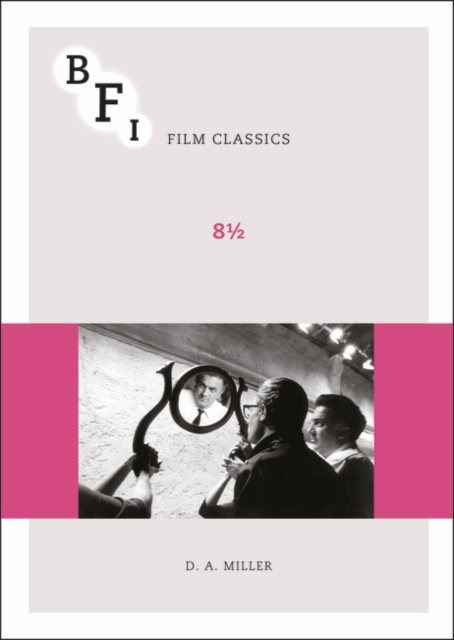
8 1/2: (Otto e mezzo)
Federico Fellini's masterpiece 8 1/2 (Otto e mezzo) shocked audiences around the world when it was released in 1963 by its sheer auteurist gall. The hero, a film director named Guido Anselmi, seemed to be Fellini's mirror image, and the story to reflect the making of 8 1/2 itself. Whether attacked for self-indulgence or extolled for self-consciousness, 8 1/2 became the paradigm of personal filmmaking, and numerous directors, including Martin Scorsese, Woody Allen and Bruce LaBruce, paid homage to it in their own work.Now that 8 1/2's conceit is less shocking, D.A. Miller argues, we can see more clearly how tentative, even timid, Fellin's ground-breaking incarnation always was. Guido is a perfect blank, or is trying his best to seem one. By his own admission he doesn't even have an artistic or social statement to offer: 'I have nothing to say, but I want to say it anyway.' 8 1/2's deepest commitment is not to this man (who is never quite 'all there') or to his message (which is lacking entirely) but to its own flamboyant manner. The enduring timeliness of 8 1/2 lies, Miller suggests, in its aggressive shirking of the shame that falls on the man - and the artist - who fails his appointed social responsibilities.
eBook
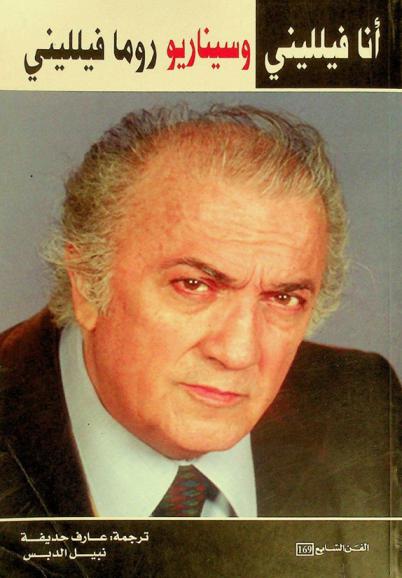
أنا فيلليني : (مذكرات)
إن كتاب (أنا فيلليني) هو كلام \"فديريكو فيلليني\" الذي ذكرها المؤلف في كتابه فيقول : \"خلال الأربعة عشر عاما التي عرفته فيها والتي امتدت من عام 1980، عندما التقيته في روما، حتى الأسابيع القليلة التي سبقت وفاته من خريف عام 1993، لذلك فإن هذه المذكرات هو ما حكاه لا ما كتبه\". كان فيلليني، هو الذي يجري المقابلة وهو الذي تجري المقابلة معه في وقت واحد وهذه المذكرات التي تحكي ما احتفظت به ذاكرته من صور ليست حصيلة مقابلات رسمية، بل حصيلة أحاديث. لم أطرح عليه أسئلة، لأن الأسئلة تشكل الأجوبة وتحدد الموضوعات. لقد كشف فيلليني في هذه الأحاديث شخصيته الخاصة إضافة إلى شخصيته العامة.
BOOK

Foreword
The following pages present an important film script written by Federico Fellini in 1965/6 in collaboration with Brunello Rondi, Dino Buzzati and Bernardino Zapponi, translated for the first time into English. The script has been available in Italian since 1995.
The introduction includes an excerpt from a letter by Fellini to his producer Dino De Laurentiis, explaining his intentions for the film. It discusses the roles of the co-scriptwriters and the difficulties Fellini encountered with Buzzati, in particular. I also briefly discuss how the unmade film might have completed a trilogy of films withLa dolce vitaand8½. Without
Book Chapter