
Catalogue Search | MBRL


Are you sure you want to remove the book from the shelf?

{{itemTitle}}
16,989
result(s) for
"Li, Hui Yu"
Sort by:
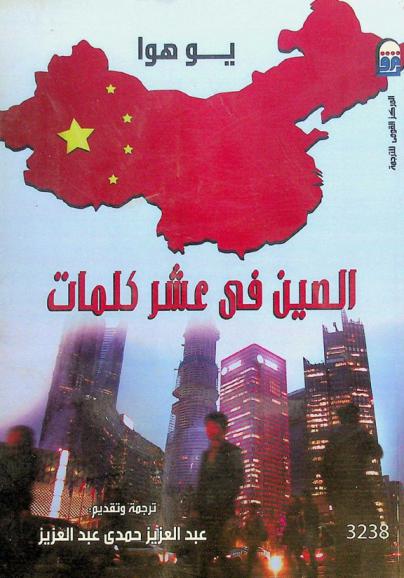
الصين فى عشر كلمات
يسلط الكاتب أضواء كاشفة على تعاظم سرعة \"المعجزة الاقتصادية\" في الصين، ويبدو أن كل شي تغير في مثل لمح البصر، وكان ذلك على غرار القفز الطويل حيث جعل الصينيين يقفزون من عصر العوز المادي إلي عصر البذخ والتبذير، ومن عصر السياسة في المقام الأول إلى عصر المال أولا، ومن عصر غريزة القمع إلي عصر الاندفاع والتهور والانغماس في اللهو والمجون، لقد انقضي ثلاثون عاما وأكثر كأنها قفزة في الهواء. وكأن كاتبنا، الذي عاش في كنف التغيرات الهائلة والتحولات الكبري التي اجتاحت الصين في نصف القرن الأخير كان كالسمكة التي تسكن بحورا عميقة تروح وتجئ وسط الغموض تغزل طريقها بين سيقان أعشاب ضخمة فوق أماكن تضوي فيها أشعة الشمس، وتغوص إلى أسفل وأسفل حتى تصل إلي ظلام بارد عميق غامض، وفجأة تنطلق إلى السطح وتلهو فوق الأمواج التي تداعبها الريح، يمسك كاتبنا مبضعه الأدبي-النفسي، ويوضح نقطة سيكولوجية مهمة كأنه الطبيب النفسي الذي يشرح داخل وأعماق النفس الإنسانية، ويقول : إن عصر الكبت المتطرف بعد أن شهد التغيرات الاجتماعية الهائلة من المحتوم أن ينبثق منه عصر آخر مغاير تماما من التسامح المتطرف، وذلك يشبه اللعب على الأرجوحة حيث عندما ينخفض أحد طرفيها، فمن المؤكد أن يعلو كثيرا الطرف الآخر المتأرجح. ولا ينفك يحذر من مغبة أن الحياة الاجتماعية غير المتوازنة من المؤكد أن تجلب الأحلام غير المتوازنة التي بدروها تفرز أحلام التطرف والسعي وراء النجاحات السريعة والقفز فوق المراحل.
Book

African swine fever virus I267L acts as an important virulence factor by inhibiting RNA polymerase III-RIG-I-mediated innate immunity
ASFV is a large DNA virus that is highly pathogenic in domestic pigs. How this virus is sensed by the innate immune system as well as why it is so virulent remains enigmatic. In this study, we show that the ASFV genome contains AT-rich regions that are recognized by the DNA-directed RNA polymerase III (Pol-III), leading to viral RNA sensor RIG-I-mediated innate immune responses. We further show that ASFV protein I267L inhibits RNA Pol-III-RIG-I-mediated innate antiviral responses. I267L interacts with the E3 ubiquitin ligase Riplet, disrupts Riplet-RIG-I interaction and impairs Riplet-mediated K63-polyubiquitination and activation of RIG-I. I267L-deficient ASFV induces higher levels of interferon-β, and displays compromised replication both in primary macrophages and pigs compared with wild-type ASFV. Furthermore, I267L-deficiency attenuates the virulence and pathogenesis of ASFV in pigs. These findings suggest that ASFV I267L is an important virulence factor by impairing innate immune responses mediated by the RNA Pol-III-RIG-I axis.
Journal Article
Risk factors of interstitial lung diseases in clinically amyopathic dermatomyositis
Clinically amyopathic dermatomyositis (CADM) is a unique sub-type of idiopathic inflammatory myopathies with a high prevalence of interstitial lung disease (ILD). Poor prognosis of the patients was strongly associated with rapid progressive ILD. The aim of this study was to identify risk factors for prediction of different types of ILD in CADM.
In this study, data of 108 inpatients with CADM were collected, including 87 with ILD. The baseline clinical data and laboratory parameters, including myositis-specific and associated antibodies and tumor-associated antigens were analyzed to identify risk factors for acute or subacute interstitial pneumonitis (A/SIP) and chronic interstitial pneumonitis (CIP).
In 87 patients with CADM-ILD, 39 (36.1%) were A/SIP, and 48 (44.4%) were CIP. There were 22 (20.4%) patients with asymptomatic ILD who were detected by routine high resolution computed tomography. Cytokeratin-19 fragment (CYFRA21-1) was significantly higher in CADM-ILD than that in CADM patients without ILD; carcinoembryonic antigen and neuron-specific enolase were significantly elevated in A/SIP than that in CIP. Patients with A/SIP had a higher positive rate of anti-melanoma differentiation-associated gene 5 (MDA5), while patients with CIP had a higher positive rate of anti PL-12 and anti-Ro-52. Logistic regression analysis indicated that elevation of CYFRA21-1 was a risk factor for ILD, higher titer of anti-MDA5 indicated increased likelihood for A/SIP, and higher titer of anti-Ro-52 was also clearly associated with CIP.
This study indicated that the prevalence of ILD was high in CADM. Asymptomatic ILD has been previously underestimated. Anti-MDA5 was a risk factor for the presence of A/SIP, and CYFRA21-1 was a risk factor for ILD.
Journal Article

Protective Mechanism of Sulforaphane on Cadmium-Induced Sertoli Cell Injury in Mice Testis via Nrf2/ARE Signaling Pathway
The present study evaluated the mechanism underlying the protective effect of sulforaphane (SFN) on cadmium (Cd)-induced Sertoli cell (TM4 cells) injury in mice. The apoptosis rate of cells in each group was detected by flow cytometry. It was determined the effect of SFN on the expression of downstream molecular targets of Nrf2/ARE axis and on the lipid peroxide content. The related genes involved in the nuclear factor E2-related factor 2(Nrf2)/antioxidant response element (ARE) signaling pathway were evaluated by RT-PCR; for example, the mRNA expression levels of Nrf2, heme oxygenase-1 (HO-1), glutathione peroxidase (GSH-Px), quinone oxidoreductase 1 (NQO1), and γ-glutamylcysteine synthetase (γ-GCS), while the protein expression levels were assessed by Western blot. Our results showed that the mRNA and protein expression levels of Nrf2, HO-1, NQO1, GSH-Px, and γ-GCS were increased in various degree when the Sertoli cells were to added different concentrations of SFN. Our results also showed that SFN reduced the apoptosis rate, increased the activity of T-SOD, inhibited the increase of the MDA content caused by Cd. Meanwhile, SFN could increase the mRNA and protein expression levels of Nrf2, HO-1 and NQO1 and reduced the mRNA and protein expression levels of GSH-Px and γ-GCS caused by Cd in Sertoli cells (p < 0.01). Taken together, SFN could improve the antioxidant capacity of Sertoli cells, and exert a protective effect on the oxidative damage and apoptosis of Cd-induced Sertoli cells through the activation of Nrf2/ARE signal transduction pathway.
Journal Article

Protective role of curcumin in cadmium-induced testicular injury in mice by attenuating oxidative stress via Nrf2/ARE pathway
The aim of the present study was to investigate whether curcumin (CUR) can ameliorate cadmium-induced reproductive toxicity and its mechanism. A total of 48 male mice were equally divided into 4 groups: control, CdCl
2
(2 mg/kg, intraperitoneally inject) curcumin (50 mg/kg, intraperitoneally inject), co-treatment with curcumin (50 mg/kg), and CdCl
2
(2 mg/kg) for 10 days. The results demonstrated that CdCl
2
reduces sperm motility, decreases the sperm density and serum testosterone content, and significantly improves the rate of sperm deformity. CdCl
2
increased the level of testicular total superoxide dismutase (T-SOD), glutathione peroxidase (GSH-Px) activity, and glutathione (GSH), and CdCl
2
declined the level of malondialdehyde (MDA). However, the semen quality of the mice in the curcumin intervention group was improved. Moreover, the testosterone content and antioxidant capacity were increased. In the Cd group mice, the expression of testicular Nrf2, as well as the mRNA and protein expressions of the downstream target molecules, glutathione peroxidase (GSH-Px), and γ-glutamylcysteine synthetase (γ-GCS) of Nrf2 declined, while the above genetic expressions elevated significantly in the curcumin intervention group. Our results suggested that curcumin could protect against Cd-induced testicular injury via activating the Nrf2/ARE signaling pathway.
Journal Article

Cryo-electron Microscopy Structure and Transport Mechanism of a Wall Teichoic Acid ABC Transporter
The wall teichoic acid (WTA) is a major component of cell wall and a pathogenic factor in methicillin-resistant Staphylococcus aureus (MRSA). The ABC transporter TarGH is indispensable for flipping WTA precursor from cytoplasm to the extracellular space, thus making it a promising drug target for anti-MRSA agents. The 3.9-Å cryo-EM structure of a TarGH homolog helps us to decode the binding site and inhibitory mechanism of a recently reported inhibitor, Targocil, and provides a structural platform for rational design and optimization of potential antibiotics. Moreover, we propose a “crankshaft conrod” mechanism to explain how a big substrate is translocated through subtle conformational changes of type II exporters. These findings advance our understanding of anti-MRSA drug design and ABC transporters. The wall teichoic acid (WTA) is a major cell wall component of Gram-positive bacteria, such as methicillin-resistant Staphylococcus aureus (MRSA), a common cause of fatal clinical infections in humans. Thus, the indispensable ABC transporter TarGH, which flips WTA from cytoplasm to extracellular space, becomes a promising target of anti-MRSA drugs. Here, we report the 3.9-Å cryo-electron microscopy (cryo-EM) structure of a 50% sequence-identical homolog of TarGH from Alicyclobacillus herbarius at an ATP-free and inward-facing conformation. Structural analysis combined with activity assays enables us to clearly decode the binding site and inhibitory mechanism of the anti-MRSA inhibitor Targocil, which targets TarGH. Moreover, we propose a “crankshaft conrod” mechanism utilized by TarGH, which can be applied to similar ABC transporters that translocate a rather big substrate through relatively subtle conformational changes. These findings provide a structural basis for the rational design and optimization of antibiotics against MRSA. IMPORTANCE The wall teichoic acid (WTA) is a major component of cell wall and a pathogenic factor in methicillin-resistant Staphylococcus aureus (MRSA). The ABC transporter TarGH is indispensable for flipping WTA precursor from cytoplasm to the extracellular space, thus making it a promising drug target for anti-MRSA agents. The 3.9-Å cryo-EM structure of a TarGH homolog helps us to decode the binding site and inhibitory mechanism of a recently reported inhibitor, Targocil, and provides a structural platform for rational design and optimization of potential antibiotics. Moreover, we propose a “crankshaft conrod” mechanism to explain how a big substrate is translocated through subtle conformational changes of type II exporters. These findings advance our understanding of anti-MRSA drug design and ABC transporters.
Journal Article

Autocrine INSL5 promotes tumor progression and glycolysis via activation of STAT5 signaling
Metabolic reprogramming plays important roles in development and progression of nasopharyngeal carcinoma (NPC), but the underlying mechanism has not been completely defined. In this work, we found INSL5 was elevated in NPC tumor tissue and the plasma of NPC patients. Plasma INSL5 could serve as a novel diagnostic marker for NPC, especially for serum VCA‐IgA‐negative patients. Moreover, higher plasma INSL5 level was associated with poor disease outcome. Functionally, INSL5 overexpression increased, whereas knockdown of its receptor GPCR142 or inhibition of INSL5 reduced cell proliferation, colony formation, and cell invasion
in vitro
and tumorigenicity
in vivo
. Mechanistically, INSL5 enhanced phosphorylation and nuclear translocation of STAT5 and promoted glycolytic gene expression, leading to induced glycolysis in cancer cells. Pharmaceutical inhibition of glycolysis by 2‐DG or blockade of INSL5 by a neutralizing antibody reversed INSL5‐induced proliferation and invasion, indicating that INSL5 can be a potential therapeutic target in NPC. In conclusion, INSL5 enhances NPC progression by regulating cancer cell metabolic reprogramming and is a potential diagnostic and prognostic marker as well as a therapeutic target for NPC.
Synopsis
This study reveals that INSL5 promotes tumor progression by regulating cancer cell metabolic reprogramming. INSL5 is a potential diagnostic and prognostic marker as well as a therapeutic target for nasopharyngeal carcinoma (NPC).
INSL5 expression levels are elevated in NPC tumor tissue and in the plasma of NPC patients.
INSL5 plasma levels are associated with NPC patient outcome.
INSL5 promotes tumor progression through an autocrine mechanism involving binding to its receptor GPCR142.
INSL5 activates JAK1‐STAT5 signal pathway and promotes glycolytic gene expression, which in turn induces metabolic reprogramming in cancer cells.
INSL5‐GPCR142 axis can be a potential therapeutic target for NPC.
Graphical Abstract
This study reveals that INSL5 promotes tumor progression by regulating cancer cell metabolic reprogramming. INSL5 is a potential diagnostic and prognostic marker as well as a therapeutic target for nasopharyngeal carcinoma (NPC).
Journal Article

Single-cell transcriptomics reveals writers of RNA modification-mediated immune microenvironment and cardiac resident Macro-MYL2 macrophages in heart failure
Background
Heart failure (HF), which is caused by cardiac overload and injury, is linked to significant mortality. Writers of RNA modification (WRMs) play a crucial role in the regulation of epigenetic processes involved in immune response and cardiovascular disease. However, the potential roles of these writers in the immunological milieu of HF remain unknown.
Methods
We comprehensively characterized the expressions of 28 WRMs using datasets GSE145154 and GSE141910 to map the cardiac immunological microenvironment in HF patients. Based on the expression of WRMs, the immunological cells in the datasets were scored.
Results
Single-cell transcriptomics analysis (GSE145154) revealed immunological dysregulation in HF as well as differential expression of WRMs in immunological cells from HF and non-HF (NHF) samples. WRM-scored immunological cells were positively correlated with the immunological response, and the high WRM score group exhibited elevated immunological cell infiltration. WRMs are involved in the differentiation of T cells and myeloid cells. WRM scores of T cell and myeloid cell subtypes were significantly reduced in the HF group compared to the NHF group. We identified a myogenesis-related resident macrophage population in the heart, Macro-MYL2, that was characterized by an increased expression of cardiomyocyte structural genes (
MYL2
,
TNNI3
,
TNNC1
,
TCAP
, and
TNNT2
) and was regulated by TRMT10C. Based on the WRM expression pattern, the transcriptomics data (GSE141910) identified two distinct clusters of HF samples, each with distinct functional enrichments and immunological characteristics.
Conclusion
Our study demonstrated a significant relationship between the WRMs and immunological microenvironment in HF, as well as a novel resident macrophage population, Macro-MYL2, characterized by myogenesis. These results provide a novel perspective on the underlying mechanisms and therapeutic targets for HF. Further experiments are required to validate the regulation of WRMs and Macro-MYL2 macrophage subtype in the cardiac immunological milieu.
Journal Article

Elevated serum Dickkopf-1 is a biomarker for bone erosion in patients with psoriatic arthritis
Psoriatic arthritis (PsA) is an inflammatory arthropathy characterized by psoriasis and bone erosion on radiology. Dickkopf-1 (Dkk-1) is considered to be the main inhibitor of the Wnt signaling pathway and results in reduced osteoblast proliferation. The aim of this study was to investigate the serum level of Dkk-1 and its association with bone erosion in PsA patients.
Serum Dkk-1 levels were measured by enzyme-linked immunosorbent assay (ELISA) in 69 patients with PsA and 60 controls, including 39 rheumatoid arthritis (RA) patients, and 21 healthy controls (HCs). Rheumatoid factor and anti-cyclic citrullinated peptide levels were also determined by ELISA. The association of Dkk-1 level with clinical and laboratory features of PsA was analyzed. Logistic regression analysis was used to analyze the risk factors for bone erosion in PsA.
Dkk-1 was elevated in 68.1% (47/69) of the patients with PsA, 46.2% (18/39) of RA patients, and 9.5% (2/21) of HCs. Serum Dkk-1 concentration was significantly higher in PsA patients compared with that in HCs. The level of serum Dkk-1 was correlated with a swollen joint count, and levels of complement components 3 and 4. Elevated Dkk-1 level (odds ratio = 4.440, 95% confidence interval: 1.246-15.817, P = 0.021) was identified as the risk factor for bone erosion in PsA.
The serum level of Dkk-1 is abnormally elevated in PsA patients. The elevation of Dkk-1 might be involved in the mechanism of bone erosion in patients with PsA.
Journal Article

Therapeutic Effect and Mechanism of Si-Miao-Yong-An-Tang on Thromboangiitis Obliterans Based on the Urine Metabolomics Approach
Si-Miao-Yong-An-Tang (SMYAT) is a classic prescription for the treatment of thromboangiitis obliterans (TAO). However, the effect and mechanism are still unclear. This experiment aims to evaluate the therapeutic effect and mechanism of SMYAT on sodium laurate solution induced thromboangiitis obliterans model rats using urine metabolomics. The therapeutic effect of SMYAT was evaluated by histopathology, hemorheology and other indexes. The urine metabolomic method, principal component analysis (PCA) and orthogonal partial least squares discriminant analysis (OPLS-DA) were used for clustering group and discriminant analysis to screen urine differential metabolic biomarkers, and explore new insight into pathophysiological mechanisms of SMYAT in the treatment of TAO. SMYAT has significant antithrombotic and anti-inflammatory effects, according to the results of urine metabolomic analysis, and regulate the metabolic profile of TAO rats, and its return profile is close to the state of control group. Through metabolomics technology, a total of 35 urine biomarkers of TAO model were characterized. Among them, SMYAT treatment can regulate 22 core biomarkers, such as normetanephrine and 4-pyridoxic acid. It is found that the therapeutic effect of SMYAT is closely related to the tyrosine metabolism, vitamin B6 metabolism and cysteine and methionine metabolism. It preliminarily explored the therapeutic mechanism of SMYAT, and provided a scientific basis for the application of SMYAT.
Journal Article