
Catalogue Search | MBRL


Are you sure you want to remove the book from the shelf?

{{itemTitle}}
14,187
result(s) for
"Lu, Min"
Sort by:

Liquid biopsy in lung cancer: significance in diagnostics, prediction, and treatment monitoring
Primary lung cancer is one of the most common malignant tumors in China. Approximately 60% of lung cancer patients have distant metastasis at the initial diagnosis, so it is necessary to find new tumor markers for early diagnosis and individualized treatment. Tumor markers contribute to the early diagnosis of lung cancer and play important roles in early detection and treatment, as well as in precision medicine, efficacy monitoring, and prognosis prediction. The pathological diagnosis of lung cancer in small biopsy specimens determines whether there are tumor cells in the biopsy and tumor type. Because biopsy is traumatic and the compliance of patients with multiple biopsies is poor, liquid biopsy has become a hot research direction. Liquid biopsies are advantageous because they are nontraumatic, easy to obtain, reflect the overall state of the tumor, and allow for real-time monitoring. At present, liquid biopsies mainly include circulating tumor cells, circulating tumor DNA, exosomes, microRNA, circulating RNA, tumor platelets, and tumor endothelial cells. This review introduces the research progress and clinical application prospect of liquid biopsy technology for lung cancer.
Journal Article

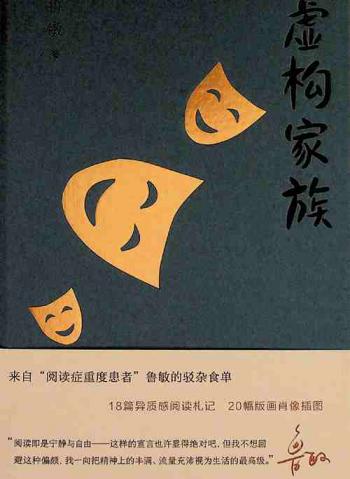
Lu ren jia huo xiao shuo jia
Ben shu shi zuo jia lu min de yi bu guan yu chuang zuo de sui bi ji, bao gua \" wo yi xu wang wei ye \" \" wei ni yu piao yi \" \" qu jing qi \" san bu fen. \" wo yi xu wang wei ye \" shi zuo zhe hui ji duo nian lai dui \" xu gou \" \" xie zuo \" de si kao, ti xian le qi ge ren hua de chuang zuo guan ; di er bu fen shi zuo zhe jin xie nian lai de fang tan huo dui hua ji ; di san bu fen shi zuo zhe jin ji nian de yan jiang he ji.

Research on the Supreme Deity in Daoism from the Perspective of Ancient Chinese Celestial Studies
The construction of Daoism’s pantheon is deeply intertwined with traditional Chinese celestial studies. From the Eastern Han to the Northern Wei dynasties, based on star worship and belief in Taiyi, Laozi was deified as the Great High Lord Lao. In the Eastern Jin, Ge Hong drew on the Huntian theory to shape Pangu (the Primordial Heavenly King) as a creator deity, yet his status declined due to the limited Daoist immortal realm within a finite spatial category that failed to align with Daoism’s boundless concepts. The infinite cosmology and Qi Theory of the Xuanye Theory provided new theoretical support for Daoism. Building on these, the Lingbao School created the Heavenly Worthy of the Primordial Beginning and the Grand Canopy Heaven. Through subsequent integration and elaboration by various sects, the Heavenly Worthy of the Primordial Beginning established his position as the supreme deity, and the Grand Canopy Heaven gained authority, transcending finiteness. This evolutionary process demonstrates the profound influence of traditional Chinese celestial studies on the construction of Daoism’s pantheon.
Journal Article

Prime editing efficiently generates W542L and S621I double mutations in two ALS genes in maize
Prime editing is a novel and universal CRISPR/Cas-derived precision genome-editing technology that has been recently developed. However, low efficiency of prime editing has been shown in transgenic rice lines. We hypothesize that enhancing pegRNA expression could improve prime-editing efficiency. In this report, we describe two strategies for enhancing pegRNA expression. We construct a prime editing vector harboring two pegRNA variants for W542L and S621I double mutations in
ZmALS1
and
ZmALS2
. Compared with previous reports in rice, we achieve much higher prime-editing efficiency in maize. Our results are inspiring and provide a direction for the optimization of plant prime editors.
Journal Article

Pulmonary surfactant–biomimetic nanoparticles potentiate heterosubtypic influenza immunity
One strategy to address the variable effectiveness of many influenza vaccines is to induce antiviral resident memory T cells, which can mediate cross-protection against multiple substrains (heterosubtypic immunity). Unfortunately, such vaccines typically use attenuated active viruses, which may be unsafe for certain populations. Wang et al. report a vaccine using an inactivated virus that effectively induced heterosubtypic immunity in both mice and ferrets (see the Perspective by Herold and Sander). They coadministered the virus with 2′,3′-cyclic guanosine monophosphate–adenosine monophosphate (cGAMP), a potent activator of the innate immune system, encapsulated in pulmonary surfactant–biomimetic liposomes. This adjuvant was taken up by alveolar epithelial cells, whose activation resulted in effective antiviral T cell and humoral immune responses without accompanying immunopathology. Science , this issue p. eaau0810 ; see also p. 852 Biomimetic liposomes containing an innate immune adjuvant promote effective immunity using an inactivated influenza vaccine. Current influenza vaccines only confer protection against homologous viruses. We synthesized pulmonary surfactant (PS)–biomimetic liposomes encapsulating 2′,3′-cyclic guanosine monophosphate–adenosine monophosphate (cGAMP), an agonist of the interferon gene inducer STING (stimulator of interferon genes). The adjuvant (PS-GAMP) vigorously augmented influenza vaccine–induced humoral and CD8 + T cell immune responses in mice by simulating the early phase of viral infection without concomitant excess inflammation. Two days after intranasal immunization with PS-GAMP–adjuvanted H1N1 vaccine, strong cross-protection was elicited against distant H1N1 and heterosubtypic H3N2, H5N1, and H7N9 viruses for at least 6 months while maintaining lung-resident memory CD8 + T cells. Adjuvanticity was then validated in ferrets. When alveolar epithelial cells (AECs) lacked Sting or gap junctions were blocked, PS-GAMP–mediated adjuvanticity was substantially abrogated in vivo. Thus, AECs play a pivotal role in configuring heterosubtypic immunity.
Journal Article

Caspase-11/4 and gasdermin D-mediated pyroptosis contributes to podocyte injury in mouse diabetic nephropathy
Diabetic nephropathy (DN) is characterized by sterile inflammation with continuous injury and loss of renal inherent parenchyma cells. Podocyte is an essential early injury target in DN. The injury and loss of podocytes are closely associated with proteinuria, the early symptom of renal injury in DN. However, the exact mechanism for podocyte injury and death in DN remains ambiguous. In this study we investigated whether pyroptosis, a newly discovered cell death pathway was involved in DN. Diabetic mice were generated by high-fat diet/STZ injections. We showed that the expression levels of caspase-11 and cleavage of gasdermin D (GSDMD-N) in podocytes were significantly elevated, accompanied by reduced expression of podocyte makers nephrin and podocin, loss and fusion in podocyte foot processes, increased inflammatory cytokines NF-κB, IL-1β, and IL-18, macrophage infiltration, glomerular matrix expansion and increased urinary albumin to creatinine ratio (UACR). All these changes in diabetic mice were blunted by knockout of caspase-11 or GSDMD. Cultured human and mouse podocytes were treated with high glucose (30 mM), which significantly increased the expression levels of caspase-11 or caspase-4 (the homolog of caspase-11 in human), GSDMD-N, NF-κB, IL-1β, and IL-18, and decreased the expression of nephrin and podocin. Either caspase-4 or GSDMD knockdown by siRNA significantly blunted these changes. In summary, our results demonstrate that caspase-11/4 and GSDMD-mediated pyroptosis is activated and involved in podocyte loss under hyperglycemia condition and the development of DN.
Journal Article