
Catalogue Search | MBRL


Are you sure you want to remove the book from the shelf?

{{itemTitle}}
1,667
result(s) for
"Smith, Jeffrey D"
Sort by:

Effectiveness of N95 respirators versus surgical masks in protecting health care workers from acute respiratory infection: a systematic review and meta-analysis
Conflicting recommendations exist related to which facial protection should be used by health care workers to prevent transmission of acute respiratory infections, including pandemic influenza. We performed a systematic review of both clinical and surrogate exposure data comparing N95 respirators and surgical masks for the prevention of transmissible acute respiratory infections.
We searched various electronic databases and the grey literature for relevant studies published from January 1990 to December 2014. Randomized controlled trials (RCTs), cohort studies and case–control studies that included data on health care workers wearing N95 respirators and surgical masks to prevent acute respiratory infections were included in the meta-analysis. Surrogate exposure studies comparing N95 respirators and surgical masks using manikins or adult volunteers under simulated conditions were summarized separately. Outcomes from clinical studies were laboratory-confirmed respiratory infection, influenza-like illness and workplace absenteeism. Outcomes from surrogate exposure studies were filter penetration, face-seal leakage and total inward leakage.
We identified 6 clinical studies (3 RCTs, 1 cohort study and 2 case–control studies) and 23 surrogate exposure studies. In the meta-analysis of the clinical studies, we found no significant difference between N95 respirators and surgical masks in associated risk of (a) laboratory-confirmed respiratory infection (RCTs: odds ratio [OR] 0.89, 95% confidence interval [CI] 0.64–1.24; cohort study: OR 0.43, 95% CI 0.03–6.41; case–control studies: OR 0.91, 95% CI 0.25–3.36); (b) influenza-like illness (RCTs: OR 0.51, 95% CI 0.19–1.41); or (c) reported workplace absenteeism (RCT: OR 0.92, 95% CI 0.57–1.50). In the surrogate exposure studies, N95 respirators were associated with less filter penetration, less face-seal leakage and less total inward leakage under laboratory experimental conditions, compared with surgical masks.
Although N95 respirators appeared to have a protective advantage over surgical masks in laboratory settings, our meta-analysis showed that there were insufficient data to determine definitively whether N95 respirators are superior to surgical masks in protecting health care workers against transmissible acute respiratory infections in clinical settings.
Journal Article

Beyond medical errors: exploring the interpersonal dynamics in physician-patient relationships linked to medico-legal complaints
Background
Previous research suggests that medico-legal complaints often arise from various factors influencing patient dissatisfaction, including medical errors, physician-patient relationships, communication, trust, informed consent, perceived quality of care, and continuity of care. However, these findings are not typically derived from actual patients’ cases. This study aims to identify factors impacting the interpersonal dynamics between physicians and patients using real patient cases to understand how patients perceive doctor-patient relational problems that can lead to dissatisfaction and subsequent medico-legal complaints.
Methods
We conducted a retrospective study using data from closed medical regulatory authority complaint cases from the Canadian Medical Protective Association (CMPA) between January 1, 2015, and December 31, 2020. The study population included patients who experienced sepsis and survived, with complaints written by the patients themselves. A multi-stage standardized thematic analysis using Braun and Clarke’s approach was employed. Two researchers independently coded the files to ensure the reliability of the identified codes and themes.
Results
Thematic analysis of 50 patient cases revealed four broad themes: (1) Ethics in physician’s work, (2) Quality of care, (3) Communication, and (4) Healthcare system/policy impacting patient satisfaction. Key sub-themes included confidentiality, honesty, patient involvement, perceived negligence, perceived lack of concern, active engagement and empathy, transparency and clarity, informed consent, respect and demeanor, lack of resources, long wait times, and insufficient time with physicians.
Conclusions
This study identifies and categorizes various factors impacting relational issues between physicians and patients, aiming to increase patient satisfaction and reduce medico-legal cases. Improving physicians’ skills in areas such as communication, ethical practices, and patient involvement, as well as addressing systemic problems like long wait times, can enhance the quality of care and reduce medico-legal complaints. Additional training in communication and other skills may help promote stronger relationships between physicians and patients.
Journal Article

Chronic muscle weakness and mitochondrial dysfunction in the absence of sustained atrophy in a preclinical sepsis model
Chronic critical illness is a global clinical issue affecting millions of sepsis survivors annually. Survivors report chronic skeletal muscle weakness and development of new functional limitations that persist for years. To delineate mechanisms of sepsis-induced chronic weakness, we first surpassed a critical barrier by establishing a murine model of sepsis with ICU-like interventions that allows for the study of survivors. We show that sepsis survivors have profound weakness for at least 1 month, even after recovery of muscle mass. Abnormal mitochondrial ultrastructure, impaired respiration and electron transport chain activities, and persistent protein oxidative damage were evident in the muscle of survivors. Our data suggest that sustained mitochondrial dysfunction, rather than atrophy alone, underlies chronic sepsis-induced muscle weakness. This study emphasizes that conventional efforts that aim to recover muscle quantity will likely remain ineffective for regaining strength and improving quality of life after sepsis until deficiencies in muscle quality are addressed. Sepsis is a life-threatening condition that occurs when a local infection spreads to the bloodstream and the body responds in such an exaggerated way that organs become damaged. Patients often require longs stays in intensive care units, and upon discharge experience chronic physical weakness and fatigue for several years. However, it was difficult to understand how sepsis can create these long-term problems because there was no way to study these issues in animals. To fill this knowledge gap, Owen et al. developed a protocol where they triggered sepsis in adult mice and then used therapeutic treatments similar to the ones found in intensive care units; as a result, most of the animals survived, with many then exhibiting chronic muscle weakness. Further observations in surviving mice revealed that muscle mass recovered after sepsis, so this weakness was not due to a drop in muscle mass: instead, the quality of the muscle fibers had worsened. More specifically, there were striking abnormalities in mitochondria, structures whose role is to power cells. The muscles also showed signs of persistent oxidative damage, a process in which toxic molecules produced by life processes accumulate and end up harming cells. Overall, these data suggest that reduced muscle quality contributes to chronic weakness after sepsis. While current programs for sepsis survivors aim to increase muscle quantity, the results by Owen et al. suggest that improving muscle quality, for example using antioxidant therapies, could be a new avenue of treatment.
Journal Article

Lessons learned from Canadian family physicians deprescribing medications in older adults – a five-year retrospective review of medico-legal cases
Background
Medication-related safety incidents are more common in older adults than in younger populations. Medication review and optimization, including deprescribing, are essential components of strategies to reduce medication-related harm. Deprescribing aims to minimize therapeutic burden by reducing medications that no longer provide net clinical benefit or by substituting safer alternatives. Herein we sought to use a national pan-Canadian repository of medico-legal cases to identify opportunities for improving deprescribing practices in primary care for older adults.
Methods
We conducted a five-year retrospective review (2018–2022) of closed Canadian medico-legal cases relating to deprescribing involving family medicine physicians and patients age 65 or older. We analysed cases related to deprescribing and created composite case examples to illustrate both areas for improvement and examples of appropriate care despite the receipt of a complaint or civil legal action (collectively, medico-legal cases).
Results
We identified 31 medico-legal cases, of which 29 had undergone expert review. Experts identified areas of improvement related to deprescribing including conducting assessments to determine appropriateness of deprescribing, using a multidisciplinary approach to create a safe tapering plan that includes monitoring and follow-up, establishing clear communication with patients and their authorized substitute decision-makers, and documenting clearly and appropriately. Although experts often explicitly identified these elements as present, they were critical of the deprescribing-related care in half of cases.
Conclusions
Medico-legal cases highlight several key areas for improving deprescribing in primary care, particularly around comprehensive patient assessment to inform deprescribing decision-making and clear communication of treatment plans with relevant decision-makers. The cases also demonstrate that the process of deprescribing and the patient-physician relationship is complex and that complaints can occur even when physicians are safely deprescribing.
Journal Article

Computational Fluid Dynamics Study of Molten Steel Flow Patterns and Particle-Wall Interactions Inside a Slide-Gate Nozzle by a Hybrid Turbulent Model
Melt flow patterns and turbulence inside a slide-gate throttled submerged entry nozzle (SEN) were studied using Detached-Eddy Simulation (DES) model, which is a combination of Reynolds-Averaged Navier-Stokes (RANS) and Large-Eddy Simulation (LES) models. The DES switching criterion between RANS and LES was investigated to closely reproduce the flow structures of low and high turbulence regions similar to RANS and LES simulations, respectively. The melt flow patterns inside the nozzle were determined by k-[straight epsilon] (a RANS model), LES, and DES turbulent models, and convergence studies were performed to ensure reliability of the results. Results showed that the DES model has significant advantages over the standard k-[straight epsilon] model in transient simulations and in regions containing flow separation from the nozzle surface. Moreover, due to applying a hybrid approach, DES uses a RANS model at wall boundaries which resolves the extremely fine mesh requirement of LES simulations, and therefore it is computationally more efficient. Investigation of particle distribution inside the nozzle and particle adhesion to the nozzle wall also reveals that the DES model simulations predict more particle-wall interactions compared to LES model.
Journal Article

A retrospective analysis of normal saline and lactated ringers as resuscitation fluid in sepsis
The Surviving Sepsis Campaign suggested preferential resuscitation with balanced crystalloids, such as Lactated Ringer's (LR), although the level of recommendation was weak, and the quality of evidence was low. Past studies reported an association of unbalanced solutions, such as normal saline (NS), with increased AKI risks, metabolic acidosis, and prolonged ICU stay, although some of the findings are conflicting. We have compared the outcomes with the preferential use of normal saline vs. ringer's lactate in a cohort of sepsis patients.
We performed a retrospective cohort analysis of patients visiting the ED of 19 different Mayo Clinic sites between August 2018 to November 2020 with sepsis and receiving at least 30 mL/kg fluid in the first 6 h. Patients were divided into two cohorts based on the type of resuscitation fluid (LR vs. NS) and propensity-matching was done based on clinical characteristics as well as fluid amount (with 5 ml/kg). Single variable logistic regression (categorical outcomes) and Cox proportional hazards regression models were used to compare the primary and secondary outcomes between the 2 groups.
Out of 2022 patients meeting our inclusion criteria; 1,428 (70.6%) received NS, and 594 (29.4%) received LR as the predominant fluid (>30 mL/kg). Patients receiving predominantly NS were more likely to be male and older in age. The LR cohort had a higher BMI, lactate level and incidence of septic shock. Propensity-matched analysis did not show a difference in 30-day and in-hospital mortality rate, mechanical ventilation, oxygen therapy, or CRRT requirement. We did observe longer hospital LOS in the LR group (median 5 vs. 4 days,
= 0.047 and higher requirement for ICU post-admission (OR: 0.70; 95% CI: 0.51-0.96;
= 0.026) in the NS group. However, these did not remain statistically significant after adjustment for multiple testing.
In our matched cohort, we did not show any statistically significant difference in mortality rates, hospital LOS, ICU admission after diagnosis, mechanical ventilation, oxygen therapy and RRT between sepsis patients receiving lactated ringers and normal saline as predominant resuscitation fluid. Further large-scale prospective studies are needed to solidify the current guidelines on the use of balanced crystalloids.
Journal Article

From the bench to exploration medicine: NASA life sciences translational research for human exploration and habitation missions
NASA’s Space Biology and Human Research Program entities have recently spearheaded communications both internally and externally to coordinate the agency’s translational research efforts. In this paper, we strongly advocate for translational research at NASA, provide recent examples of NASA sponsored early-stage translational research, and discuss options for a path forward. Our overall objective is to help in stimulating a collaborative research across multiple disciplines and entities that, working together, will more effectively and more rapidly achieve NASA’s goals for human spaceflight.
Journal Article

Trichomonas vaginalis Infection Induces Vaginal CD4⁺ T-Cell Infiltration in a Mouse Model: A Vaccine Strategy to Reduce Vaginal Infection and HIV Transmission
Background. Complications related to the diagnosis and treatment of Trichomonas vaginalis infection, as well as the association between T. vaginalis infection and increased transmission of and susceptibility to human immunodeficiency virus, highlight the need for alternative interventions. We tested a human-safe, aluminum hydroxideadjuvanted whole-cell T. vaginalis vaccine for efficacy in a BALB/c mouse model of vaginal infection. Methods. A whole-cell T. vaginalis vaccine was administered subcutaneously to BALB/c mice, using a primeboost vaccination schedule. CD4⁺ T-cell infiltration in the murine vaginal tissue and local and systemic levels of immunoglobulins were measured at time points up to 4 weeks following infection. Results. Vaccination reduced the incidence and increased the clearance of T. vaginalis infection and induced both systemic and local humoral immune responses. CD4⁺ T cells were detected in vaginal tissues following intravaginal infection with T. vaginalis but were not seen in uninfected mice. The presence of CD4⁺ T cells following T. vaginalis infection can potentially increase susceptibility to and transmission of human immunodeficiency virus. Conclusions. The vaccine induces local and systemic immune responses and confers significantly greater protection against vaginal infection than seen in unvaccinated mice (P < .005). These data support the potential for a human vaccine against T. vaginalis infection that could also influence the incidence of human immunodeficiency virus infection.
Journal Article

Medico-legal issues related to emergency physicians’ documentation in Canadian emergency departments
Objectives
Physician documentation plays a central role in the delivery of safe patient care. It describes a physician’s clinical decision-making and supports essential communication between healthcare providers within the patient’s circle of care. Good documentation can potentially also decrease a physician’s medico-legal risk. This study provides examples of documentation issues attributed to physicians practicing emergency medicine as identified by peer experts in civil legal actions, regulatory authority complaints (College) and hospital complaints (collectively, medico-legal cases) in Canada.
Methods
We conducted a descriptive study and content analysis of medico-legal cases involving emergency department physicians from a national repository at the Canadian Medical Protective Association. Cases with peer expert criticism of an emergency physician’s documentation, which were closed between 2016 and 2020, and occurred in an emergency department were included in our analysis.
Results
Of the 1628 cases involving emergency medicine, our inclusion criteria identified that absent or insufficiently detailed documentation was present in 24% of cases (391/1,628). A detailed review of 20% of the cases (79/391), selected randomly, found that documentation issues were most often associated with the assessment and investigation stage of care. This pertained to documenting details of the clinical examination, relevant medical history, diagnosis, and differential diagnosis.
Conclusions
For physicians practicing emergency medicine, criticism of documentation was frequently observed in medico-legal cases. Based on the findings of this study and the expert criticism related to documentation, emergency medicine physicians may consider reflecting upon their documentation of the care provided to determine if their documentation provides a clear and accurate chronicle of the care and the rationale for their clinical decisions.
Journal Article
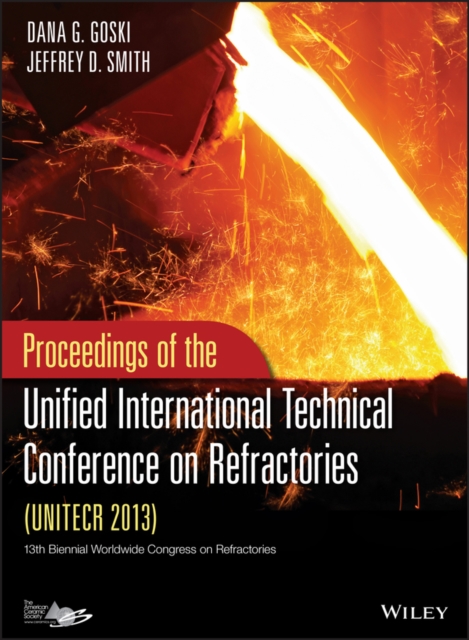
Proceedings of the Unified International Technical Conference on Refractories (UNITECR 2013): a collection of papers presented during the 13th Biennial Worldwide Congress on Refractories, September 10-13, 2013, Victoria, British Columbia, Canada
Proceedings containing 231 manuscripts that were submitted and approved for the 13th biennial worldwide refractories congress recognized as the Unified International Technical Conference on Refractories(UNITECR), held September 10-13, 2013.
eBook