
Catalogue Search | MBRL


Are you sure you want to remove the book from the shelf?

{{itemTitle}}
12,135
result(s) for
"Yu, Gang"
Sort by:
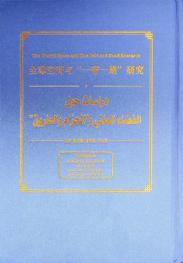
دراسات حول الفضاء العالمي و\الحزام والطريق\ : (مجلد الموانئ البحرية)
ينقسم الكتاب إلى خمسة فصول، يقدم الفصل الأول نظام الموانئ العالمي والعلاقات بين المدن الساحلية والتعاون في مجال الموانئ، ويناقش الفصل الثاني الخدمات اللوجستية البحرية العالمية وتطوير لوجستيات الموانئ الرئيسية، ويتناول الفصل الثالث نظام الموانئ في الصين وخصائصه. الاستجابة العالمية: يحلل الفصل الرابع بشكل رئيسي مؤشر البلطيق، وهو مؤشر تقييم مراكز الشحن الدولية، ويناقش الفصل الخامس نمط الموانئ العالمية وتغيرات النظام وتطور النقل البحري بناءً على منظور عالمي.
BOOK

Two-dimensional materials for next-generation computing technologies
Rapid digital technology advancement has resulted in a tremendous increase in computing tasks imposing stringent energy efficiency and area efficiency requirements on next-generation computing. To meet the growing data-driven demand, in-memory computing and transistor-based computing have emerged as potent technologies for the implementation of matrix and logic computing. However, to fulfil the future computing requirements new materials are urgently needed to complement the existing Si complementary metal–oxide–semiconductor technology and new technologies must be developed to enable further diversification of electronics and their applications. The abundance and rich variety of electronic properties of two-dimensional materials have endowed them with the potential to enhance computing energy efficiency while enabling continued device downscaling to a feature size below 5 nm. In this Review, from the perspective of matrix and logic computing, we discuss the opportunities, progress and challenges of integrating two-dimensional materials with in-memory computing and transistor-based computing technologies.This Review discusses the recent progress and future prospects of two-dimensional materials for next-generation nanoelectronics.
Journal Article

Transition metal-free phosphonocarboxylation of alkenes with carbon dioxide via visible-light photoredox catalysis
Catalytic difunctionalization of alkenes has been an ideal strategy to generate structurally complex molecules with diverse substitution patterns. Although both phosphonyl and carboxyl groups are valuable functional groups, the simultaneous incorporation of them via catalytic difunctionalization of alkenes, ideally from abundant, inexpensive and easy-to-handle raw materials, has not been realized. Herein, we report the phosphonocarboxylation of alkenes with CO
2
via visible-light photoredox catalysis. This strategy is sustainable, general and practical, providing facile access to important β-phosphono carboxylic acids, including structurally complex unnatural α-amino acids. Diverse alkenes, including enamides, styrenes, enolsilanes and acrylates, undergo such reactions efficiently under mild reaction conditions. Moreover, this method represents a rare example of redox-neutral difunctionalization of alkenes with H-P(O) compounds, including diaryl- and dialkyl- phosphine oxides and phosphites. Importantly, these transition-metal-free reactions also feature low catalyst loading, high regio- and chemo-selectivities, good functional group tolerance, easy scalability and potential for product derivatization.
Phosphonyl and carboxyl groups are valuable functional groups, however their simultaneous incorporation via catalytic difunctionalization of alkenes has not been realized yet. Here the authors report the phosphonocarboxylation of alkenes with CO
2
via visible-light photoredox catalysis.
Journal Article
Ultrafast non-volatile flash memory based on van der Waals heterostructures
Flash memory has become a ubiquitous solid-state memory device widely used in portable digital devices, computers and enterprise applications. The development of the information age has demanded improvements in memory speed and retention performance. Here we demonstrate an ultrafast non-volatile flash memory based on MoS
2
/hBN/multilayer graphene van der Waals heterostructures, which achieves an ultrafast writing/erasing speed of 20 ns through two-triangle-barrier modified Fowler–Nordheim tunnelling. Using detailed theoretical analysis and experimental verification, we postulate that a suitable barrier height, gate coupling ratio and clean interface are the main reasons for the breakthrough writing/erasing speed of our flash memory devices. Because of its non-volatility this ultrafast flash memory could provide the foundation for the next generation of high-speed non-volatile memory.
MoS
2
/hBN/graphene van der Waals heterostructures with a clean interface and optimized barrier height and gate coupling ratio enable the realization of ultrafast non-volatile flash memory.
Journal Article
Small footprint transistor architecture for photoswitching logic and in situ memory
The need for continuous size downscaling of silicon transistors is driving the industrial development of strategies to enable further footprint reduction1,2. The atomic thickness of two-dimensional materials allows the potential realization of high-area-efficiency transistor architectures. However, until now, the design of devices composed of two-dimensional materials has mimicked the basic architecture of silicon circuits3–6. Here, we report a transistor based on a two-dimensional material that can realize photoswitching logic (OR, AND) computing in a single cell. Unlike the conventional transistor working mechanism, the two-dimensional material logic transistor has two surface channels. Furthermore, the material thickness can change the logic behaviour—the architecture can be flexibly expanded to achieve in situ memory such as logic computing and data storage convergence in the same device. These devices are potentially promising candidates for the construction of new chips that can perform computing and storage with high area-efficiency and unique functions.The atomic thickness of two-dimensional materials enables the realization of a small footprint transistor architecture for photoswitching logic computing in a single cell.
Journal Article
Nickel-catalyzed electrochemical carboxylation of unactivated aryl and alkyl halides with CO2
Electrochemical catalytic reductive cross couplings are powerful and sustainable methods to construct C−C bonds by using electron as the clean reductant. However, activated substrates are used in most cases. Herein, we report a general and practical electro-reductive Ni-catalytic system, realizing the electrocatalytic carboxylation of unactivated aryl chlorides and alkyl bromides with CO
2
. A variety of unactivated aryl bromides, iodides and sulfonates can also undergo such a reaction smoothly. Notably, we also realize the catalytic electrochemical carboxylation of aryl (pseudo)halides with CO
2
avoiding the use of sacrificial electrodes. Moreover, this sustainable and economic strategy with electron as the clean reductant features mild conditions, inexpensive catalyst, safe and cheap electrodes, good functional group tolerance and broad substrate scope. Mechanistic investigations indicate that the reaction might proceed via oxidative addition of aryl halides to Ni(0) complex, the reduction of aryl-Ni(II) adduct to the Ni(I) species and following carboxylation with CO
2
.
Electrochemistry is a promising approach to make existing chemical protocols milder, but many simple transformations of feedstocks are still out of reach. Here, the authors transform unactivated aryl and alkyl (pseudo)halides into carboxylic acids, via nickel catalysis and electricity, using atmospheric CO
2
as the carbon source.
Journal Article
Unveiling the dynamics of little-bang nucleosynthesis
High-energy nuclear collisions provide a unique site for the synthesis of both nuclei and antinuclei at temperatures of
k
T
≈ 100 − 150 MeV. In these little bangs of transient collisions, a quark-gluon plasma (QGP) of nearly vanishing viscosity is created, which is believed to have existed in the early universe within the first few microseconds after the Big Bang. Analyses of identified particles produced in these little bangs based on the statistical hadronization model for the QGP have suggested that light (anti)nuclei are produced from the QGP as other hadrons and their abundances are little affected by later hadronic dynamics. Here, we find a strong reduction of the triton yield by about a factor of 1.8 in high-energy heavy-ion collisions based on a kinetic approach that includes the effects of hadronic re-scatterings, particularly that due to pion-catalyzed multi-body reactions. This finding is supported by the latest experimental measurements and thus unveils the important role of hadronic dynamics in the little-bang nucleosynthesis.
High energy nuclear collisions produce light (anti-)nuclei from the quark-gluon plasma via little-bang nucleosynthesis. Here the authors study the microscopic dynamics of little-bang nucleosynthesis producing deuterons and tritons.
Journal Article

CENPF/CDK1 signaling pathway enhances the progression of adrenocortical carcinoma by regulating the G2/M-phase cell cycle
Background
Adrenocortical carcinoma (ACC) is an aggressive and rare malignant tumor and is prone to local invasion and metastasis. And, overexpressed Centromere Protein F (CENPF) is closely related to the oncogenesis of various neoplasms, including ACC. However, the prognosis and exact biological function of CENPF in ACC remains largely unclear.
Methods
In the present essay, the expression patterns and prognostic value of CENPF in ACC were investigated in clinical specimens and public cancer databases, including GEO and TCGA. The potential signaling mechanism of CENPF in ACC was studied based on gene-set enrichment analysis (GSEA). Furthermore, a small RNA interference experiment was conducted to probe the underlying biological function of CENPF in the human ACC cell line, SW13 cells. Lastly, two available therapeutic strategies, including immunotherapy and chemotherapy, have been further explored.
Results
The expression of CENPF in human ACC samples, GEO, and TCGA databases depicted that CENPF was overtly hyper-expressed in ACC patients and positively correlated with tumor stage. The aberrant expression of CENPF was significantly correlated with unfavorable overall survival (OS) in ACC patients. Then, the GSEA analysis declared that CENPF was mainly involved in the G2/M-phase mediated cell cycle and p53 signaling pathway. Further, the in vitro experiment demonstrated that the interaction between CENPF and CDK1 augmented the G2/M-phase transition of mitosis, cell proliferation and might induce p53 mediated anti-tumor effect in human ACC cell line, SW13 cells. Lastly, immune infiltration analysis highlighted that ACC patients with high CENPF expression harbored significantly different immune cell populations, and high TMB/MSI score. The gene-drug interaction network stated that CENPF inhibitors, such as Cisplatin, Sunitinib, and Etoposide, might serve as potential drugs for the therapy of ACC.
Conclusion
The result points out that CENPF is significantly overexpressed in ACC patients. The overexpressed CENPF predicts a poor prognosis of ACC and might augment the progress of ACC. Thus, CENPF and related genes might serve as a novel prognostic biomarker or latent therapeutic target for ACC patients.
Journal Article

Removal of Chromium Species by Adsorption: Fundamental Principles, Newly Developed Adsorbents and Future Perspectives
Emerging chromium (Cr) species have attracted increasing concern. A majority of Cr species, especially hexavalent chromium (Cr(VI)), could lead to lethal effects on human beings, animals, and aquatic lives even at low concentrations. One of the conventional water-treatment methodologies, adsorption, could remove these toxic Cr species efficiently. Additionally, adsorption possesses many advantages, such as being cost-saving, easy to implement, highly efficient and facile to design. Previous research has shown that the application of different adsorbents, such as carbon nanotubes (carbon nanotubes (CNTs) and graphene oxide (GO) and its derivatives), activated carbons (ACs), biochars (BCs), metal-based composites, polymers and others, is being used for Cr species removal from contaminated water and wastewater. The research progress and application of adsorption for Cr removal in recent years are reviewed, the mechanisms of adsorption are also discussed and the development trend of Cr treatment by adsorption is proposed.
Journal Article
Rashba splitting in organic–inorganic lead–halide perovskites revealed through two-photon absorption spectroscopy
The Rashba splitting in hybrid organic–inorganic lead–halide perovskites (HOIP) is particularly promising and yet controversial, due to questions surrounding the presence or absence of inversion symmetry. Here we utilize two-photon absorption spectroscopy to study inversion symmetry breaking in different phases of these materials. This is an all-optical technique to observe and quantify the Rashba effect as it probes the bulk of the materials. In particular, we measure two-photon excitation spectra of the photoluminescence in 2D, 3D, and anionic mixed HOIP crystals, and show that an additional band above, but close to the optical gap is the signature of new two-photon transition channels that originate from the Rashba splitting. The inversion symmetry breaking is believed to arise from ionic impurities that induce local electric fields. The observation of the Rashba splitting in the bulk of HOIP has significant implications for the understanding of their spintronic and optoelectronic device properties.
Understanding of spin-orbit effects in hybrid organic–inorganic perovskites underlies their applications in spintronics and optoelectronics. Here, the authors demonstrate the use of the two-photon absorption spectroscopy to characterize inversion-symmetry breaking and Rashba effect in the bulk of these materials.
Journal Article