
Catalogue Search | MBRL


Are you sure you want to remove the book from the shelf?

{{itemTitle}}
667
result(s) for
"البنوك الإسلامية إدارة"
Sort by:
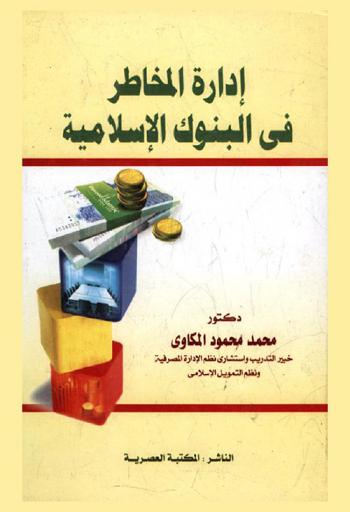

الأساليب القيادية لمدراء المصارف الإسلامية وعلاقتها بكفاءة الأداء
هدفت الدراسة إلى التعرف علي الأساليب القيادية لمدراء المصارف الإسلامية وعلاقتها بكفاءة الأداء. استخدمت الدراسة المنهج الوصفي التحليلي المقارن، والمنهج الإحصائي. وتمثلت عينة الدراسة في 18 مفردة لكل مصرف من مجتمع الدراسة. وتناولت الدراسة عدد من النقاط الرئيسية وهي، أولاً: مفهوم القيادة. ثانياً: نظريات القيادة وفيه، نظريات القيادة انطلاقاً من سلوك الافراد، نظريات القيادة انطلاقاً من القائد نفسه من حيث:\" نظريات القيادة على أساس الصفات، نظريات القيادة علي أساس نوع القيادة\"، نظرية الأنظمة الأربعة، نظريات القيادة انطلاقاً من الوضعيات. ثالثاً: أثر أساليب القيادة في الأداء: تعد القيادة المتغيرة الأكثر وضوحاً وربما الأكثر تأثيراً في الأداء من بين بقية المتغيرات التنظيمية فهناك من اعتبر القيادة العنصر الرئيسي الذي يضمن الاتصال بين مختلف عوامل نجاح المنظمة. رابعاً: المواصفات النظرية للموارد البشرية القيادية في المصارف الإسلامية. خامساً: الاستراتيجية المستقبلية للموارد البشرية في المصارف الإسلامية. واختتمت الدراسة بالإشارة إلي ابرز النتائج التي توصلت إليها ومنها، ضعف البناء التنظيمي السليم لدى المصرف محل الدراسة بمعني غياب ولو جزئي لوظيفة التنسيق وتوحيد الجهود التي يفترض أن توجد في المصرف محل الدراسة كغيره من القطاعات فبوجود البناء التنظيمي السليم يستطيع المصرف اكتشاف أسباب التعقيد والروتين الزائد والمتبع في أداء الأعمال والمهام داخل المصرف. وأن هناك فجوة بين طبيعة العمل المصرفية وبين نوعية الموارد البشرية الملائمة والمؤهلة ومن ثم فإن قدرة هذه الكفاءات لا تتناسب نوعاً مع حجم أصول الصناعة المالية الإسلامية. وضعف سياسات القيادة العليا بالمصرف من ناحية إعداد جيل جديداً من القادة القادرين على تحمل المسؤولية. كُتب هذا المستخلص من قِبل دار المنظومة 2018
Journal Article
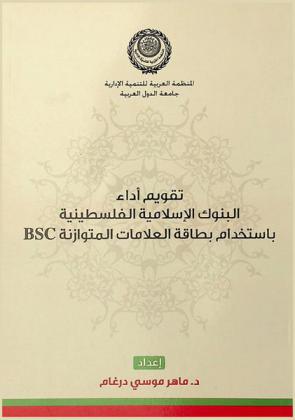

الصيرفة الإسلامية
إذا لم تبادر المصارف الإسلامية في ميدان البحث والتدريب بأساليب جدية فإنها سوف تواجه مستقبلا قاسيا. إذ يجب أن تكافح الصيرفة الإسلامية لمواجهة الجانب العملي للنظام وإلا فإنها سوف تتلاشى وتبقي في كتب التاريخ كأثر من الماضي، كما يجب أن تطور المصارف الإسلامية أساليب وأدوات معدلة لمعالجة موضوعات معقدة في العمليات التشغيلية اليومية، وأن تشجع برامج البحث والتطوير، وأن تكون قادرة على التنافس مع المصارف التقليدية المتطورة والتي أنفقت مالا ووقتا في تطوير الأدوات الحديثة.
Journal Article


أثر نظم المعلومات الإدارية في النجاح الاستراتيجي
هدفت الدراسة إلى التعرف على أثر نظم المعلومات الإدارية بأبعاده الأربعة (الموارد البشرية الموارد المادية، البرمجيات، أمن المعلومات في النجاح الإستراتيجي بأبعاده الثلاثة (البقاء، النمو، التكيف) في البنوك الإسلامية اليمنية بمحافظة عدن (بنك التضامن الدولي، بنك سبأ الإسلامي، كاك بنك الإسلامي)، واعتمدت الدراسة المنهج الوصفي التحليلي، وتكون محل الدراسة من القيادات الإدارية العاملة في تلك البنوك، وعددهم (56) عنصرا، واعتمدت الدراسة في تحديد محل الدراسة على أسلوب الحصر الشامل، واستخدمت الدراسة الاستبانة كأداة لجمع البيانات، والبرنامج الإحصائي (SPSS) لتحليل البيانات. وتوصلت الدراسة إلى عدد من الاستنتاجات، أهمها: يوجد أثر لنظم المعلومات الإدارية في النجاح الإستراتيجي بشكل عام، كما يوجد أثر لكل بعد من أبعاد نظم المعلومات الإدارية الأربعة (الموارد البشرية الموارد المادية، البرمجيات، أمن المعلومات في النجاح الإستراتيجي في البنوك محل الدراسة، وتوفر مستوى نظم المعلومات الإدارية في البنوك محل الدراسة بمستوى عال جدا على المستوى العام للمتغير وعلى مستوى الأبعاد (الموارد المادية، البرمجيات، أمن المعلومات وبمستوى عال للبعد الموارد البشرية)، ويتوفر مستوى النجاح الإستراتيجي للبنوك محل الدراسة بمستوى عال على المستوى العام للمتغير وعلى مستوى البعدين (النمو، التكيف وبمستوى عال جدا للبعد البقاء)، وأوصت الدراسة بعدد من التوصيات، منها: اهتمام البنوك باستغلال نقاط القوة، ومعالجة نقاط الضعف، واقتناص الفرص، وتجاوز التهديدات بما يحقق أهدافها، واقترحت الدراسة: إجراء دراسة علمية في أثر نظم المعلومات الإدارية في الرقابة بأبعاد أخرى لنظم المعلومات الإدارية، ويمكن تحديدها وفقا للوظائف التخصصية للبنوك.
Journal Article
استراتيجيات إدارة المخاطر في المصارف الإسلامية
يتناول هذا الكتاب دراسة متعمقة للتحديات التي تواجه المصارف الإسلامية في بيئة مالية متغيرة، مع التركيز على استراتيجيات إدارة المخاطر الفريدة التي تتناسب مع طبيعة المنتجات المصرفية المتوافقة مع الشريعة الإسلامية. يستعرض المؤلف أنواع المخاطر المصرفية التقليدية، ويحلل المخاطر النوعية المرتبطة بالتمويل الإسلامي، مثل مخاطر عدم الامتثال الشرعي، ومخاطر العائد، ومخاطر الاستثمار في عقود المرابحة والمضاربة والمشاركة. كما يقدم الكتاب أطراً عملية لقياس هذه المخاطر والتحوط ضدها باستخدام الأدوات المالية الإسلامية الحديثة، مع ربط ذلك بالمعايير الرقابية الدولية (مثل معايير \"أيوفي\" و\"بازل\"). يُعد العمل مرجعاً حيوياً للمتخصصين في القطاع المصرفي الإسلامي، وطلاب الدراسات العليا في المالية والمصرفية، حيث يجمع بين الرصانة الفقهية والتحليل المالي المعاصر.
BOOK

Impact of Audit Committees in Islamic Banks
To explore the impact of corporate governance especially audit committees on the financial risk of Islamic banks in Pakistan under Sharīʿah law. The study used panel data between (2018-2022) of Islamic banks in Pakistan. To facilitate the data analysis, we employed the fixed effect model in panel data regression. The study highlights that Islamic bank in Pakistan maintain a healthy financial position, with an average NPF of 3.91%, indicating strong risk management. Regression analysis confirms significant negative effects of audit committee size (ADC) and return on assets (ROA) on NPF, with coefficients of -0.199 (p = 0.0052) and -10.2036 (p = 0.0099), respectively. These findings emphasize the importance of profitability and effective audit committees in reducing financial risks. However, SSB1 and SSB2 show no significant relationships, with pvalues of 0.3838 and 0.1045, respectively. The fixed-effect model, validated by the Chow test (p = 0.000), ensures the robustness of the analysis. The major limitation of the research is time and resources and the availability of the quality and quantity of data. We conclude that due to the ultimate need to reduce financial risk, auditors must play an important role in banks, including Islamic banks. Our findings suggest that Islamic banks need to ensure audit committees operate efficiently. An effective system in Islamic banks that enhances accountability and transparency will be in the collective interest of society to enhance financial risk management First, to the extent of our knowledge, there is no previous research conducted to examine the effect of the effectiveness of audit committees. Second, our study aims to provide empirical evidence on the effect of audit committee effectiveness on financial risk in Islamic banks.
Journal Article
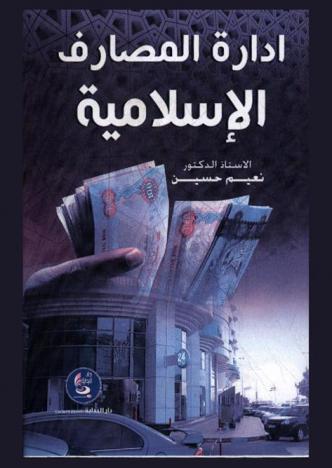
ESG Disclosure and Financial Stability of Islamic and Conventional Banks
The recurrence of banking and financial crises has revealed the complexity and vulnerability of the conventional financial and banking system. In this paper, we empirically investigate the impact of Environmental, Social, and Governance disclosure (ESG) on banking stability, as well as the individual effect of each dimension of ESG, with particular attention to the moderating role of capital structure. Using a mixed sample composed of 18 Islamic banks and 22 conventional banks from 2014 to 2022, the results indicate a positive and significant effect of ESG, measured by the ESG score, on banking stability. Among the dimensions of the ESG score, only environmental and governance practices have shown a significant positive link with banking stability. However, the social dimension did not have a significant effect on this variable. Additionally, our results suggest that the Islamic character further enhances the positive relationship between ESG and financial stability due to ethical foundations. Furthermore, we find that the financial stability of Islamic and conventional banks primarily depends on capital structure, specifically the adequacy of equity, and credit risk management. Our study sheds light on the essential role of capital structure in moderating the benefits of ESG disclosure, an effect that has not been extensively examined in previous studies.
Journal Article