
Catalogue Search | MBRL


Are you sure you want to remove the book from the shelf?

{{itemTitle}}
404
result(s) for
"المرأة في الحديث"
Sort by:
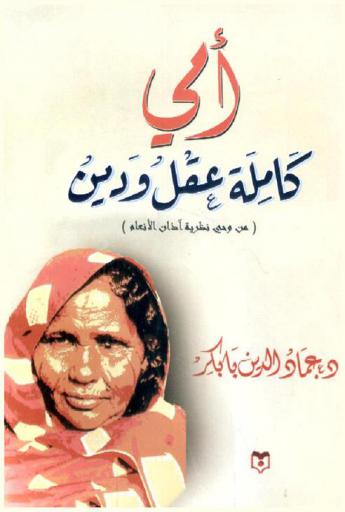
أمي كاملة عقل ودين
يتناول الكتاب حيث ينتمى إلى فضاء الكتابات التنويرية التى أتخذت من حقل الإسلاميات منطلقا لها، وكان المؤلف -وهو طبيب أمراض نفسية يعمل ويعيش فى لندن وقد أصدر منذ عشر سنوات تقريبا كتابه «آذان الأنعام» الذى أحدث -ولا يزال- دويا كبيرا حول نظريته فى الخلق وموقفه المتضامن إلى حد كبير مع نظرية داروين فى النشوء والارتقاء بعدما أكد خلاله أن ليس ثمة تناقض بين الآيات القرآنية وبين الملامح العامة لنظرية داروين.
Book

San'ani's View on Women Authority in the Book of Subul al-Salam | ولاية المرأة عند الصنعاني في سبل السلام
At the beginning of the twentieth-century, many discussions arose about the role of women in society or in the social sphere. One characteristic of these discussions is the question \"Does Islam allow women to play a role in a society like men?\" Some people have seen a saying that the teachings of Islam have caused the decline of Islam and Muslims because of its disagreement with the reality of contemporary society. Some of the teachings of Islam prohibit women from working in the social field in order to leave the education of children which is the supreme interest in religion. And some think that Islam does not close the doors of interest as long as women can have a role such as what men are accustomed to the community as it is in accordance with the teachings of Islam. This research is an answer to the above from the perspective of the Prophet's Hadith by reading the views of the scholars who are familiar with the Prophet's Hadith specifically in the view of al-San'aani in the Book of the Ways of Peace. This research used the objective approach to collect the explanations of the hadiths of the women's authority from the book of the Ways of Peace to the San'ani and compare them with other interpretations of the tradition and modern scholars. This research confirms the study of Tasmin in The Assumption of Women in the Hadith that the textual understanding in the text of hadith will not succeed even if ordered by a woman indicates the prohibition of women in public positions; and Benjamin Bishin in Women, Property Rights, and Islam that close to 90 per cent of Muslim countries deny women equal in leadership; and Shaf'is, Malikis and Hanbalis in general in the judiciary. This research criticizes Zuriatul Khairi studies in Muhammadiyah Theology in marriage with non-believer and Women Leader that Muhammadiyah through historical approach to describe the change of the concept of belief to nash to view how is the relationship between theology and fish and state that religion has no power to deny the leadership of women; and Susan Blackburn in Indonesia, Women and Political Islam that women in Indonesia joined some radical organisation like Permi and PSII in the early twentieth century, and they were slow to find a voice in non-political organisations like NU and Muhammadiyah; and Zulkifli studies in \"the concept of the mandate of women comparative study when Nasr Omar Omar and Hussein Mohammed\" it allows the mandate of women provided that the efficiency of women in particular the tap and Mohammed al-Ghazali in general. The most important result of this research is that al-Sanani through the book of the ways of peace explained that Al-Maram understood women's conversations using correct methods that women can not take over social affairs from the state or the judiciary and slavery in prayer especially since women suffer from men's disability. Al-Sunani understood the hadith of women in the state verbally and understood the hadeeth of women in prayer iqamah and adhan by the method of hadith contradiction.
Journal Article

اعتبار الحاجة في جواز حديث المرأة مع الراجل الأجنبي
1-أن صوت المرأة ليس بعورة؛ لما أثر من كلام النساء مع النبي صلى الله عليه وسلم بحضرة الصحابة، مع عدم إنكار النبي صلى الله عليه وسلم عليهن ذلك. ٢-أن الخضوع بالقول يعني اللين والتذلل، ويكون ذلك في نغمة الصوت، وفي معاني الكلام أيضا. 3-أن القول المعروف؛ ما كان مختصرا قدر ما يفي بالحاجة، بينا واضحا يفصل بين الحق والريبة، ولا يكون على وجه محتمل يحدث في قلب الرجل شكا، أو طمعا فيها. 4-أنه يحرم على المرأة الحديث أمام الرجال على وجه رفع الصوت والجهر به، ويشمل ذلك الرفع الحقيقي، والرفع الحكمي. 5-أن الحاجة معتبرة لجواز حديث المرأة مع الرجل الأجنبي، والمراد بها مطلق المصلحة، سواء كانت مصلحة أخروية، أو مصلحة دنيوية كالسؤال عن أمر يترتب عليه مصلحة. ٦-أن هذه الحاجة تضبط بأدنى المشاق المعتبرة، التي تترتب على ترك تلك الحاجة، ويضبطها أيضا ضوابط العمل بالحاجة عامة، وهي: (أ) السعي لتقصير وقت الاستباحة المبنية على الحاجة. (ب) أن يتقيد ما يباح للحاجة بوجودها. (ج) أن يقدر ما يباح للحاجة بقدرها.
Journal Article

مظاهر قيمة الرحمة في حديث المرأة المخزومية
يهدف هذا البحث إلى تعزيز القيم الإسلامية وبيان شموليتها وواقعيتها، وإبراز أهمية السنة النبوية باعتبارها المصدر الثاني للقيم والأخلاق الإسلامية، والاستفادة من منهج النبي صلى الله عليه وسلم وصحابته الكرام في تطبيقها، وقد وقع الاختيار على دراسة قيمة الرحمة واستنباط مظاهرها من خلال حديث المرأة المخزومية وقصتها على عهد رسول الله صلى الله عليه وسلم، وقد تكون البحث من ثلاثة مطالب: الأول: يتضمن حديث المرأة المخزومية ورواياته وشرح ألفاظه، والثاني: التعريف بقيمة الرحمة ومكانتها في الإسلام، والمطلب الثالث: يشتمل على مظاهر قيمة الرحمة في حديث المرأة المخزومية، ثم ختمت البحث بنتائج من أهمها: 1- إن حديث المرأة المخزومية صحيح ولا تعارض بين رواياته لإمكان الجمع بينها. 2- إن من أبرز القيم الواردة في حديث المرأة المخزومية قيمة الرحمة، وبالتالي تعد من القيم المهمة في التعامل مع المخطئين. 3- إن استخدام الحزم في التعامل مع المخطئ إذا كان عالما، تعظيما لحدود الله تعالى، واستخدام اللين والرفق مع المخطئ إذا كان جاهلا، تأليفا لقلبه. 4- تجلت مظاهر رحمة النبي صلى الله عليه وسلم من خلال حديث المرأة المخزومية في جوانب عدة منها: الرحمة في تشريع عقوبة السرقة، وفي إقامة حد السرقة، وفي جواز الشفاعة قبل رفع الحد إلى الإمام، وفي المساواة بين الناس في إقامة الحدود، وفي تعليم الناس الأحكام الشرعية والشفقة عليهم من الهلاك بمخالفتها، وفي إظهار الإحسان إلى المخطئ بعد توبته.
Journal Article
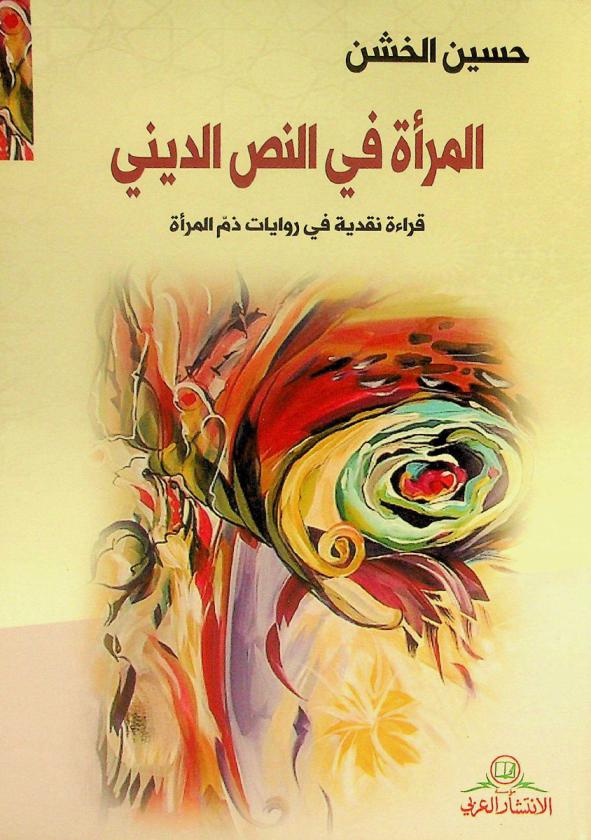
المرأة في النص الديني : قراءة نقدية في روايات ذم المرأة
لماذا لا تزال المرأة تعيش على الهامش وفي ظل حماية الرجل، ويتم وأدها في كل يوم بأشكال مختلفة من الوأد الجسدي أو المعنوي؟! ولماذا لا زلنا ننظر إليها باعتبارها مجرد عورة يتعين علينا سترها وحبسها؟! ما يؤدي إلى تعطيل هذه الطاقة الإنسانية الخلاقة؟! هل السبب يكمن في الذهنية الجاهلية التي لا تزال تحكم عقول كثير من المسلمين أكانوا من رجال الدين، أو من حملة الشهادات، أم أن السبب كامن في محل آخر؟! ثم ما هو منشأ هذه الذهنية يا ترى؟ وهل هي عصية على الإصلاح والتغيير؟ وما هو دور الظروف الاجتماعية والسياسية والثقافية في تشكيل الذهنية المشار إليها؟ وما صحة ما يقوله البعض من أن السبب في تردي وضع المرأة المسلمة يكمن في نصوص الدين الإسلامي نفسه التي لم تخضع للنقد والغربلة؟! أسئلة قد يجد القارئ الجواب الشافي عليها في هذا الكتاب.
Book