
Catalogue Search | MBRL


Are you sure you want to remove the book from the shelf?

{{itemTitle}}
29
result(s) for
"زراعة الأنسجة النباتية"
Sort by:
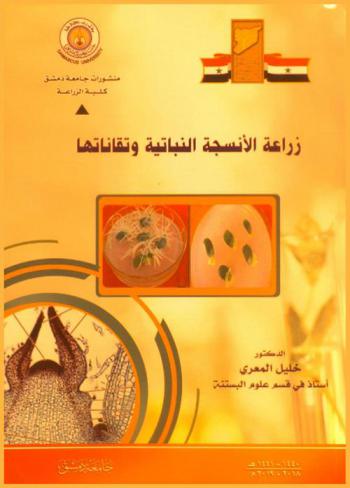

Chia seed as a source of in vitro establishment of Salvia hispanica l. Plants
أجريت هذه الدراسة بهدف إيجاد برنامج متكامل لإكثار نبات الشيا خارج الجسم الحي باستعمال تقانة زراعة الأنسجة النباتية. درِسَ تأثير منظمات النمو النباتية بتراكيز مختلفة في مراحل النشوء، التضاعف و التجذير مع تحديد الظروف الملائمة لإنجاح نقل النباتات النسيجية الى تربة الحقل. أمكن التوصل الى تحفيز التضاعف الخضري و تكوين فروع عدة من أصل قمة نامية بزراعتها في وسط غذائي مجهز بـ 1 ملغم/لتر BAP، إذ بلغت نسبة نشوء الفروع 80% ، معدل عدد الفروع 3.20 فرع/قمة نامية بمعدل طول 3.26 سم. أما عملية التجذير، فقد تمت بزراعة الفروع المكثرة على وسط MS بنصف قوة أملاحه مضافاً له 1 ملغم/لتر IBA و أعطت أعلى نسبة للتجذير و معدل عدد و طول للجذور بلغت 100% ، 5.60 جذر/فرع و 3.40 سم بالتتابع. أشارت نتائج أقلمة النباتات المجذرة الى نسبة بقاء بلغت 85% .
Technique of tissue culture for Chia (Salvia hispanica) micropropagation was achieved, this study investigated the impact of various concentrations of plant growth regulators on shoot multiplication and root induction with the Chia's mature seed as a source explant. The highest percentage of shoot formation (80% ), shoots number per explant(3.20) and shoot length(3.26 cm), were recorded on MS medium enriched with BAP(1.0 mgl-1) after eight weeks of seed culture. The optimal medium for the rhizogenesis was achieved on half strength MS medium fortified with 1.0 mgl-1 IBA after four weeks of culture, which had the highest rooting percentage (100% ) with highest mean of roots number (5.6 roots per shoot) with (3.40 cm root length). The rooted plants were successfully adapted ex vitro with a survival rate of 85% .
Journal Article
In vitro elimination of dahlia mosaic virus by using meristem culture, electrotherapy and chemotherapy
This study was conducted to investigate the effect of different in vitro techniques on elimination of dahlia mosaic virus. Meristems of Dahlia mosaic virus (DMV) infected dahlias, with 0.2-0.3 mm in length, were cultured on Murashige and Skoog (MS) medium. Based on DAS-ELISA, 100 % of the survived plantlets by meristem culture were virus-free. DMV infected stem segments with two axillary buds were treated at three different levels of electric currents (15, 25 and 35 mA) and two time courses (10 and 20 min) in an electrophoresis tank and cultured on MS medium. The treatment of 35 mA for 20 min was the best for viral elimination from diseased dahlias by 85 % followed by 25 mA for 20 min by 70 % . Acyclovir and salicylic acid were the antivirals were used to eliminate DMV from the infected dahlias. For chemotherapy, nodes were cultured on MS media supplemented with antivirals at 0, 10, 20, 30, 40 and 50 mg / l for 20 and 30 days. The highest concentration of acyclovir (50 mg / l) for 30 days were the best treatments as its highest effectiveness on elimination ability (90.67 %) but gave only 49 % for plantlet survival. Whereas 40 mg/l acyclovir for 30 days gave elimination ability (80 %) and plantlet survival (89.67 %). The therapy containing salicylic acid at 40 mg/l for 30 days was the best as its highest effectiveness on DMV elimination ability (100 %). But the concentration of salicylic acid at 30 mg / l for 30 days was the best treatment (chemotherapy efficiency = 49.21) as well as DMV elimination ability (75.33 %) and plant survival (65.33 %). The in vitro developed dahlia plantlets were tested for DMV-freeness using DAS-ELISA. The using therapies (electrotherapy and chemotherapy) can play a good role in virus elimination because they need the minimum period of time to regenerate fully developed healthy plants as long as 2-3 months.
و قد أجريت الدراسة لمعرفة تأثير تقنيات مختلفة في المختبر على القضاء على فايروس موزاييك الداليا. تم تربيت مرستيمات النباتات الداليا المصابة ب DMV، مع طول 0.2-0.3 ملم في وسط موراشيك و اسكوك. تم الحصول على نباتات داليا خالية من الفايروس باستعمال تقانة زراعة المرستيم القمي و كانت نسبة النباتات المتحصلة الخالية منه هي 100 % . و تم التأكد من خلوها من الفايروس باختبار الإليزا. تم علاج شرائح الجذعية المصابة ب DMV مع اثنين من البراعم الإبطية في ثلاثة مستويات مختلفة من التيارات الكهربائية (15 و 25 و 35 ملي أمبير) و لفترتي 10 و 20 دقيقة في خزان الكهربائي و زرعت في وسط الزرعي MS. و كانت المعاملة بقوة 35 mA لمدة عشرين دقيقة هي الأفضل في إزالة الفايروس من نبيتات الداليا و بنسبة إزالة 85% ، ثم تلتها المعاملة بقوة 25 mA لمدة 20 دقيقة بنسبة إزالة 70% . استعمل مركبي اسايكلوفير و حامض السالسيلك لإزالة الفايروس من نباتات الداليا بالزراعة النسيجية. بالنسبة للعلاج الكيميائي، تم تربيتها العقد على وسط الزرعي MS مع مركبي بنسبة 0 و 10 و 20 و 30 و 40 و 50 ملغم / لتر لمدة 20 و 30 يوم. و أدى استعمال مركب اسايكلوفير بالتركيز الأعلى و هو 50 ملغم / لتر و لمدة 30 يوم أفضل النتائج في إزالة الفايروس، و بنسبة 90.67% و لكن كانت نسبة بقاء النبيتات منخفضة و هي 49% . فيما أعطت المعاملة بالمركب بتركيز 40 ملغم / لترو لمدة 30 يوم نسبة ازالة للفايروس وصلت إلى 80 % و نسبة بقاء النباتات 89.67 % . و كانت المعاملة بحامض السالسيلك بتركيز 40 ملغم / لتر لمدة 30 يوم هي الأفضل في إزالة الفايروس و التي وصلت إلى 100% . و لكن تركيز 30 ملغم / لتر لمدة 30 يوم كانت أفضل (كفاءة المعاملة الكيميائي = 49.21)، تم اختبار نباتات الداليا المتطورة في المختبر للتأكد من خلوها من DMV باستخدام DAS-ELISA. يمكن أن تلعب المعاملات المستخدمة دورا جيدا في إزالة الفايروسات لأنها تحتاج إلى الحد الأدنى من الوقت لإنتاج النباتات السليمة تماما ما بين 2-3 أشهر.
Journal Article
تقنيات وتطبيقات زراعة الأنسجة النباتية
إن زراعة الأنسجة النباتية من أهم الطرق التي تندرج تحت ما يسمى التقانات الحيوية الزراعية الحديثة وهي مجموعة واسعة من الأساليب والتطبيقات العملية لتحسين نوعية وإنتاجية النباتات المختلفة والمساهمة في الإسراع ببرامج التربية التقليدية للنباتات كما أدت أيضا إلى التطور الحادث فى إنتاج المحاصيل معدلة التركيب الوراثي. شمل هذا الكتاب الأسس النظرية والعملية للتقانات والربط بين الأساليب والمواضيع المتعلقة بإنتاج البذور الصناعية، والتطعيم الدقيق للنباتات معمليا، وإنماء بعض الكائنات إجبارية التطفل، وطرق الكشف عن المسببات المرضية خاصة الفيروسات، وأيضا التحوير الوراثي للنباتات، ويعتبر الكتاب مرجعا أساسيا وإثراء للمكتبة العربية فلم يغفل حاجة المجال الزراعي الأكاديمي، بالإضافة إلى التطبيقات التجارية للمحاصيل المهمة في الوطن العربي.
Book
Inducing some secondary metabolites from callus cultures derived from plantago psyllium and plantago major exposed to cobalt stress
نُفذت تجربة بهدف دراسة تأثير التراكيز المختلفة من معدن الكوبلت في إنتاج سبعة مركبات فلافونيدية من كالس نباتي Plantago psyllium L. و Plantago major L. . أظهرت النتائج بأن اضافة التركيزين 3. 0 و 1. 0 ملغم. لتر1- من منظمي النمو 2، 4-D و الكاينتين الى وسط مورشايج و سكوج على الترتيب، قد أعطيا أفضل توليفة لإستحثاث الكالس فقد أعطت التوليفة أعلى وزن طري للكالس المُستحث بلغ 541. 0 ملغم. أعطى المحفز من نبات P. psyllium أعلى وزن طري بلغ 365. 7 ملغم. أدت إضافة الكوبلت بالتركيز 75 جزء بالمليون إلى إنخفاض معنوي للوزن الطري للكالس المستحث من P. psyllium (139. 8 ملغم). كما أثر التداخل بين النوعين النباتيين و تراكيز الكوبلت معنوياً في الوزن الطري. الكالس المستحث من نبات P. major سبب في زيادة معنوية في انتاج مركبات scutallarein، apigenin، nepetin، luteolin بمقدار 26. 40، 22. 64، 14. 93، 26. 20 مايكروغرام. 100 ملغم وزن جاف1- بالترتيب. كما ازداد انتاج نبات P. psyllium من مركب hispidulin و بمقدار 29. 40 مايكروغرام. 100 ملغم وزن جاف1-. أيضاً أدت إضافة معدن الكوبلت بالتركيز 50 جزء بالمليون إلى زيادة إنتاج مركبي hispidulin و luteolin بمقدار 40. 30، 41. 60 مايكروغرام. 100 ملغم وزن جاف1-بالترتيب. في ذات الوقت أدت المعاملة بمعدن الكوبلت و بالتركيز 75 جزء بالمليون إلى إنتاج عالي من مركبات scutallarein، apigenin، nepetin، aucubin و بمقدار 25. 61، 23. 25، 15. 90، 13. 70 مايكروغرام. 100 ملغم وزن جاف1- بالترتيب. كما تبين بان الكالس المستحث من نبات P. major و المعامل بمعدن الكوبلت بالتركيز 50 جزء بالمليون قد حقق اعلى انتاج من مركبات scutallarein، apigenin، luteolin و بمقدار 30. 33، 32. 26، 51. 90 مايكروغرام. 100 ملغم وزن جاف1- بالترتيب. أما مركب baicalein فقد وصل إنتاجه إلى 16. 46 مايكروغرام. 100 ملغم وزن جاف1- عند معاملة الكالس المستحث من نبات P. psyllium بالتركيز 75 جزء بالمليون.
This experiment was conducted to study the influence of cobalt concentrations on the production of seven flavonoid compounds in callus derived from Plantago psyllium L. and Plantago major L. Results showed that the best combination of 2, 4-D and kinetin concentrations add to Muroshige and Skoog medium to obtain the highest fresh weight of 541. 0 mg was 3. 0 and 1. 0 mg. L-1 respectively. psyllium stimulated callus produced the highest fresh weight of 365. 7 mg. The addition of 75 ppm of cobalt resulted in a significantly lower fresh weight of P. psyllium callus (139. 8 mg). The interaction between Plantago species and cobalt concentrations was significant. The callus inducted from P. major had significant increases of the scutallarein, apigenin, nepetin and luteolin compounds with 26. 40, 22. 64, 14. 93 and 26. 20 µg. 100mg-1 dry weight, respectively. The production of the hispidulin compound was increased in P. psyllium at 29. 40 µg. 100mg-1 dry weight. Also, the addition of cobalt metal stimulated the production of flavonoids at 50 ppm cobalt producing the highest amounts of hispidulin and luteolin at 40. 30 and 41. 60 µg. 100mg-1 dry weight, respectively. Meanwhile, 75 ppm cobalt treatment produced the highest amount of scutallarein, apigenin, nepetin and aucubin at 25. 61, 23. 25, 15. 90 and 13. 70 µg. 100mg-1 dry weight, respectively. The callus inducted from P. major treated with 50 ppm of cobalt showed the highest production of scutallarein, apigenin and luteolin at 30. 33, 32. 26 and 51. 90 µg. 100mg-1 dry weight respectively. Baicalein reached 16. 46 µg. 100mg-1 dry weight, at 75 ppm of cobalt metal treatment in callus inducted from P. psyllium.
Journal Article
Rapid protocol of Aloe Vera in Vitro propagation
The current research was carried out to enhance Aloe vera propagation via tissue culture technique. BA at 0, 1, 2, 3, and 4 mg/l alone or combined with 0.1 mg/l NAA were used for shoot proliferation. The best result was recorded by using 2mgl-1 BAP (5.33 shoots/ explant). Meanwhile, combination between 2 mg/l BAP with (0.2, 0.4 and 0.6) mg/l kinetin, NAA or IBA were tested and best protocol was shown by using 2 mg1-1 BAP + 0.6 NAA which recorded 4.89 shoots/ explant. For rooting, MS medium at half and full strength salts were used supplemented with 0, 1, 2, 3, 4mgl-1 of NAA. The result revealed that 3 mg1-1 NAA at half strength of MS medium regenerate developed roots (8.67 roots / shoot) within 4 weeks. The well successful healthy plantlets were transferred into a potting mix composed of sand and peat moss which shows 100% survival ratio.
Journal Article
Determination of ZmHKT1, 5 gene expression under different salt stresses using plant tissue culture of maize (Zea Mays L.)
This study was designed to determine ZmHKT1; 5 gene expression in relatively salt tolerant using four maize genotypes (Alfajr and Almaha and medium-tolerant ones T1 and T6) within cellular level. Three salinity levels (2, 8, and 16 ds / m. Were used immature seeds were surface sterilized and embryos were dissected under full sterilization conditions. Callus was initiated from immature embryos of the above four genotypes on Skoog and Murashige (MS) medium supplemented with the required growth regulators (3 mg/L 2, 4-D +0.5 mg/L kinetin) and recultured for three times and transferred to the stress medium containing NaCl. K+/Na+ and Ca+ / Na+ were measured and ZmHKT1; 5 gene expression was estimated using Real-time PCR in callus cultures after tree cultures. Results indicated that a significant decrease in calcium and potassium ion concentrations with increasing NaCl level. The highest concentration was recorded in the genotype Almaha, while the lowest was in Alfajr. The highest concentration of gene ZmHKT1; 5 expression was achieved in the Alfajr genotype reached 5.59 at 16 ds/m.
تهدف هذه الدراسة لتشخيص الجين المتحمل للملوحة ZmHKT1; 5 و دراسة تعبيره الجيني باستخدام أربعة تراكيب وراثية من الذرة الصفراء (الفجر و المها المتحملة للملوحة و المتوسطة التحمل للملوحة T1 و T6) ضمن ثلاث مستويات من الملوحة (2، 8، 16) ديسيسمنز/م). عقمت البذور الغير ناضجة سطحيا و من ثم تم استئصال الأجنة تحت ظروف التعقيم الكاملة. تم زراعة الأجنة و تحفيز الكالس عن طريق زراعتها في الوسط الغذائي (MS) الحاوية على منظمات النمو (3 2، 4-D ملغم/لتر + الكاينتين 5 ملغم/لتر) و من ثم إعادة زراعتها ثلاث مرات و نقلها إلى وسط ملحي حاوي على كلوريد الصوديوم. تم قياس نسبة الصوديوم / الكالسيوم و نسبة الصوديوم / البوتاسيوم و دراسة التعبير الجيني للجين ZmHKT1; 5 بواسطة تقنيةReal-time PCR. أشارت النتائج حدوث انخفاض معنوي في أيون البوتاسيوم و الكالسيوم بزيادة مستويات الملوحة. سجل التركيب الوراثي المها أعلى تركيز و أقل منه الفجر. الجين ZmHKT1; 5 أعطى تعبير جيني في التراكيز العالية من الملح حيث أعطى التركيب الوراثي الفجر تعبيرا 5.59 في المستوى الملحي 16 ديسسمنز/م).
Journal Article
تحفيز التغايرات الوراثية باستخدام مستخلص ثمار الحنظل و استحثاث الكالس لأجنة بذور تركيبين وراثيين من الجت
An experiment was conducted at Central lab of Graduate studies, College of Agriculture, University of Baghdad during 2015-2016. The aim was to study the effect of colocynth fruit extract on inducing callus from embryos of two alfalfa cultivars were PAC-78001 and local variety by tissue culture technique using factorial experiment within CRD. Seeds was soaked with colocynth fruit extract at 0, 75, 150, 225, and 300 ml Li-1 for 24 hours, then, sterilized by NaOCl at 4.5% for 15 minutes. The results showed significant differences between two cultivars responding to colocynth fruit extract levels. Concentration at 150 ml Li-1 gave the highest both fresh and dry weight of callus (205.90 and 20.60) respectively. Also, PCR results depending on RAPD and electrophoresis for DNA samples which isolated from callus of two cultivars and subjected to various concentrations of colocynth fruit extract 0, 75, 150, 225 and 300 ml Li-1 showed differences in amplified observed bands, molecular weights and brightness intensity by using primers primer -Y07, -Y06, OE-12, C-08, D-10, -Y10 and A-16, and There was no difference in bands number at all concentrations of colocynth fruit extract for local variety by primer A-16.
Journal Article