
Catalogue Search | MBRL


Are you sure you want to remove the book from the shelf?

{{itemTitle}}
1,241
result(s) for
"مكافحة الفساد"
Sort by:

حاميها حراميها : لصوص أغبياء .. لصوص محترفون .. فاسدون وأبرياء
يتحدث هذا الكتاب عن الفساد مركزا على العلاقة الوطيدة بين محاربة الفساد ومحاربة الظلم الاقتصادي سواء على مستوى الأفراد أو الجماعات أو الأمم، ويستعرض الكتاب أنواع من اللصوص بنماذج مختلفة بداية بمن لا يملكون خبرة إجرامية إلى أن يصل لمن يتميزون بالدهاء الشديد إلي أن يصل لأجرأ هذا النمط في كل دول العالم وللأسف أن مقاييس العدالة الوضعية ليست حيادية فهي كثيرا ما تخطئ فمحاربة الإجرام ليست منظومة أمنية فقط بل هى مسئولية كل أفراد المجتمع.
Book

The State Commission for Prevention of Corruption as a Preventive Anti-Corruption Agency in Macedonia
This paper deals with the core preventive Anti-corruption Agency (ACA) of the Republic of Macedonia, namely the State Commission for Prevention of Corruption (SCPC). The idea therein is two-fold: firstly, to explain the ACA model which the Republic of Macedonia has chosen and, secondly, to criticize some of the characteristics of the respective legal and institutional framework. Of course, we do not aim to analyze every aspect of the SCPC - which would imply a much longer article than the one at hand - but rather to focus on the most important details. In that respect, we will place focus on the SCPC's competencies (functions, tasks and powers) and discuss if they are properly designed. Furthermore, we will tackle the institutional design and the capacities of the institution, so to illuminate the existing discrepancy between this ACA's de-jure competencies and de-facto possibilities. Thirdly, we will speak of its effectiveness. Doing so, we will not only draw the attention of the international research community to the SCPC but also enable comparative research in the future. What is especially valuable to note is that in terms of many of its characteristics, the SCPC is compared to other ACAs in the region of Southeastern Europe too, meaning that an initial contrast has been set. Finally, the main findings of the text are such that an answer for improvement cannot be provided instantly, but additional work in the field is required. Thus, one can only hope that this research inspires other individuals and professionals in the sphere too.
Journal Article
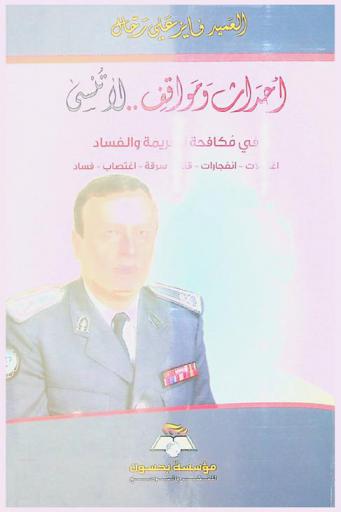
أحداث ومواقف.. لا تنسى في مكافحة الجريمة والفساد : اغتيالات-انفجارات-قتل-سرقة-اغتصاب-فساد
يوم عرفت العميد فايز رحال، كانت تلمع على كتفيه نجمة واحدة، عرفته من خلال خدمة قصدته بها، مع صديقنا المشترك العميد وفيق سلطان، فوجدت ضالتي عنده كما كان يجدها سواي من كل من يقصده من طالبي الخدمات وأصحاب الحاجات. فايز رحال، مذ ان كانت «النجمة» تضيء على كتفيه الى ان ترك سلك قوى الامن بعدما أضاف الى «النجمة» سيفاً زادها لمعانا ما زال هو هو، لم تغيره المراكز والمناصب،ولم تبدله الأيام، بقي «أبو علي» حبيب الجميع، وزادت صداقاته ومحبة الناس له، لانه «أبو علي» الذي ترك بصمات بيضاء ناصعة في قوى الامن قلما تركها او احتفظ بها سواه. هو يكره الظلم منذ دخوله سلك قوى الامن، يحب احقاق الحق، فللباطل جولة وللحق جولات، والفرح عنده هو فرح العطاء لا الأخذ بما يحرمه الشرع ويمنعه القانون، فلا الاغراءات المادية نالت منه، ولا حب المخالفة كان من طبعه. رصيده محبة الناس له، وهذا ما مارسه قولاً وعملاً، فاحتل المكانة اللائقة عند اقرانه ومعارفه وما أكثرهم في الماضي والحاضر والمستقبل باذن الله، عمل ويعمل وفق القول المأثور «حاجة الناس الينا من نعم الله علينا». تفتحت عينا العميد رحال على نور الحياة في بلدة هادئة وادعة هي النميرية في محافظة النبطية وحيداً لوالده المرحوم أبو فايز الذي اختارته البلدة مختاراً لها لكثرة خدماته ومحبته للناس وهو ما ورثه عنه ابنه العميد وحافظ على هذا الإرث أبناء العميد وهم الدكتور علي، والرائد حسين والأستاذ نديم إضافة الى ابنتيه زينة ومنال. اما التربية المنزلية ودور السيدة الرائدة «أم علي» فله مجال آخر من الحديث ليس هنا مكانه.
Book

الخطوات الأساسية في مكافحة الفساد الإداري
يمثل الموظفون العموميون القطب من الرحى بالنسبة للدولة ولسان حالها، الأمر الذي استتبع ضرورة منحهم ثقة كبيرة في أداء عملهم وتخويلهم سلطات وصلاحيات واسعة تتناسب مع حجم مسؤولياتهم، إلا أن الدولة مهما حاولت توخي الدقة في اختيار موظفيها لجهة الكفاءة والنزاهة، فإن هذا لن يمنع- بشكل تام- ولوج بعض ضعاف النفوس إلى عالم الوظيفة العامة والقطاع العام، والذين ما إن يصلوا إلى الوظيفة حتى تتبدى لديهم نوازع المصلحة الشخصية والأنانية الفردية بأبشع صورها فيعمدون على إساءة استخدام السلطة الممنوحة لهم بغية تحقيق مكاسب ومنافع شخصية مادية أو معنوية لا تمت إلى الصالح العام بصلة. وهذا ما يعبر عنه بالفساد الإداري، والذي يتمثل في كل انحراف بالوظيفة العامة وأهدافها عن الغرض الذي وجدت لأجله، ألا وهو تحقيق الصالح العام. جاء البحث نتيجة حالة الترهل التي تعيشها مؤسسات الدولة وإداراتها العامة، كما ينتشر فيها ضعف الإنتاجية والتخريب وأساليب العمل التقليدي المفتقر إلى الأتمتة والتنظيم الإداري والتوصيف الوظيفي. والحرب التي عاشتها سورية كانت كاشفة لجوانب عدة للفساد، ومحفزة لضرورات الإصلاح الإداري، وليست منشئة له، بحيث ظهرت جوانب جلية تم التفكير فيها معمقا خلال الحرب، وأفضت إلى إطلاق مشروع الإصلاح الإداري. مع مرور الوقت، كان لا بد من الانتقال من عقلية الحرب والنضال من أجل البقاء، إلى عقلية استعادة القانون، وتنظيم تقديم الخدمات العامة، وتنظيم وتحديث عمل الدولة، ومحاربة الفساد، وتطوير أداء مؤسسات الدولة من خلال إشراك المواطنين في تقييم وتطوير هذه المؤسسات، وتبسيط الإجراءات، واستخدام التكنولوجيا الحديثة، وتفعيل إداراتها بشكل يعيد سورية لمواكبة التطور العالمي في هذا المجال.
Journal Article
The Impact of Corruption in the Development of Latin America
One of the most perverse effects of corruption is its impact in developing countries, specifically in Latin America, where corruption drags the region into poverty, social exclusion, political instability, inefficient governance, scarcity of public services, violation of human rights, and lack of justice for the most vulnerable people. Not to mention the impact of this phenomenon on economic growth. Every year US$1 trillion is paid in bribes, while an estimated US$2.6 trillion are stolen annually through corruption - a sum equivalent to more than 5 per cent of the global Gross Domestic Product (GDP). In developing countries, according to the United Nations Development Programme (UNDP), many funds are lost due to corruption; it is estimated at 10 times the amount of official development assistance (ODA).1 The present article presents the consequences of corruption in developing countries, particularly in Latin America, where corruption not only affects the economic growth of the region, but also the income per capita and the social and human development of Latin American people. The article is divided into three areas with different sections. The first one shows the possibilities and resources of Latin America and the role of corruption to break the advance of the Latin American countries. The second one presents the effects of corruption in the public services mainly education and health. The third one exposes the consequences of corruption in the increase of inequality in the region. Finally, recommendations are presented, offering some key areas to be improved.
Journal Article


Public Sector Anti-Corruption Policies
A thorough and comprehensive analysis of corruption that occurs inside the purview of the public sector is depicted in this study. paying careful attention to the conceptual underpinnings and theoretical foundations of this phenomenon and putting an emphasis on its possible ramifications on the performance of the public administration, on the formulation of policies, and on society at large. The paper explores the various manifestations of corruption within the public sector, the complexities associated with measuring corruption, and scrutinizes the governmental policies. strategies, and arrangements that aim at combating and preventing corruption in the public sector while also assessing their conformity with relevant global initiatives. The debate on the common international measures, especially the ones that focus on corruption in the public sector, their presumed assumptions, and why they may not reflect the countries' performance, is raised. Hence, the paper adopts a thematic analysis methodology to put a hand on the dilemmatic perspective of the common measures of public sector corrupt behaviors and provides a diagramed manifestation that supports the understanding of the complexity of the correspondence between the efforts exerted for combating corruption as a global movement and the slight mirroring of such efforts in terms of improvements on the global measurement spectrums. The paper proposes a clustered path to handling administrative corruption, taking the prospects of government policy intervention into proposed dialogues and remedy scenarios while following the global trend of not only combating but also preventing corruption.
Journal Article

The Role of External Auditing In Reducing Administrative and Financial Corruptions in State Agencies Under Governance
External audit career is currently facing sharp criticism of individuals, civil society and non-governmental organizations because of the weakness and complacency of combating various forms of administrative and financial corruption. The researchers aimed to determine the role of the government external audit in combating in the light of governance. To achieve the the research, a distributed to the study sample of (100) external government auditors as well as university professors and other parties dealing directly with the auditing (90) questionnaire. After the analysis of the questionnaire vocabulary by using the statistical program (SPSS), many of the results were obtained. The most important of these problems is the lack of integration, joint planning, poor coordination and exchange of information among them, which has a negative effect on the public sector. Performance of government agencies in the face of administrative and financial corruption. The study concluded with a set of recommendations: The adoption of the concept of governance in Iraq, is necessary to address and address the problem of administrative and financial corruption suffered by government agencies. And the unification of the external audit with a single supervisory body with a broad authority responsible for monitoring and auditing all government institutions.
Journal Article