
Catalogue Search | MBRL


Are you sure you want to remove the book from the shelf?

{{itemTitle}}
361
result(s) for
"منظمة الصحة العالمية"
Sort by:
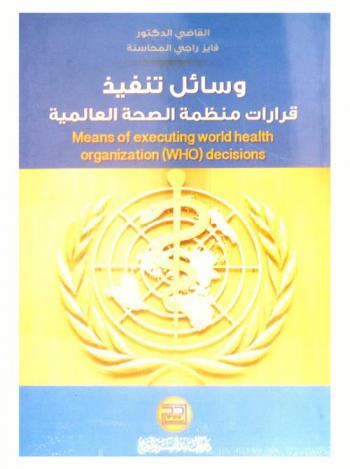
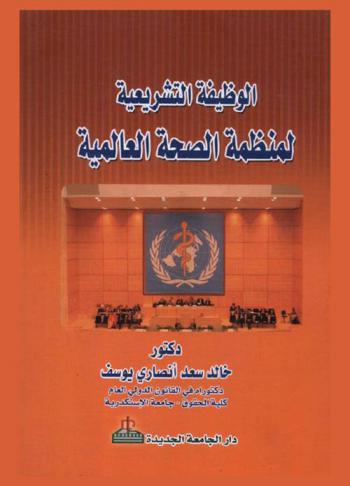
الوظيفة التشريعية لمنظمة الصحة العالمية
اهتمت الأمم المتحدة بتحقيق التعاون الدولي الصحي منذ نشأتها، حيث نص ميثاقها صراحة على إنشاء منظمة دولية متخصصة في مجال الصحة وتعمل كوكالة متخصصة في منظومة الأمم المتحدة. وعلى أثر ذلك تضافرت جهود المجتمع الدولي لإنشاء منظمة الصحة العالمية حيث ضمت جميع التنظيمات السابقة عليها وأصبح هدف المنظمة الوليدة آنذاك هو بلوغ جميع شعوب العالم أرقى مستوى صحي ممكن. ونص الدستور على العمل كسلطة للتوجيه والتنسيق في المجال الدولي الصحي كما عرف الدستور الصحة بأنها : حالة من اكتمال السلامة الجسدية والعقلية والاجتماعية وليس مجرد انعدام المرض والعجز وقد استندت منظمة الصحة العالمية إلى عدد من الأدوات التشريعية المنصوص عليها دستوريا، لممارسة نشاطها التشريعي من أجل تحقيق التعاون الدولي الصحي. تمثلت هذه الأدوات التشريعية في الاتفاقيات والقرارات والتوصيات استخدمت منظمة الصحة العالمية أداة الاتفاقيات في إبرام الاتفاقية الإطارية لمكافحة التبغ، بعد أن ثبت فشل العديد من قرارات المنظمة لمواجهة هذا الوباء. أما بالنسبة للقرارات، فأصدرت منظمة الصحة العالمية العديد من القرارات المتعلقة بالأنشطة الدولية الصحية المختلفة سواء في المجال الوقائي أو العلاجي أما بالنسبة للتوصيات، فهي الأداة الأكثر استخداما منذ نشأة منظمة الصحة العالمية. ويرجع السبب في ذلك إلى أنها تستند إلى ما تتوصل إليه لجان خبراء المنظمة والتي تضم خبراء دوليين على أعلى مستوى علمي، وأيضا لطبيعة النشاط الصحي والذى غالبا ما تسعى إليه أي دولة لتحقيقه.
BOOK

Preparedness and Response of the Palestinian Ministry of Health for COVID-19 Pandemic Based on World Health Organization 8 Pillars from Health Policy-Makers' Perspective in Gaza Strip
Although the crises become a part of living in Palestine and the Gaza Strip, the Coronavirus disease-2019 pandemic was a special and unfamiliar crisis faced by global healthcare systems generally and the Palestinian healthcare system in particular, especially in light of the extreme shortage of resources and this long period of the continued siege. Aims of the study: The main aim of this study was to assess the preparedness and response of Palestinian MOH for the Coronavirus disease-2019 pandemic based on the World Health Organization's eight pillars from the health policy-makers' perspective in the Gaza Strip. Methods: A descriptive, exploratory qualitative design was used, the sample size was 25 using a purposeful sampling technique, face-toface semi-structured interviews were employed to collect data, and the directed qualitative content analysis approach was adopted for the analysis of the interview data. Results: The study's results according to the participant's perspectives revealed that there was good multi-partner coordination, planning, and monitoring between all governmental ministries, the Ministry of Health, and all health services providers in managing the Covid-19 pandemic crisis. The quarantine and the processes of controlling crossings and entry points effectively delayed the uncontrolled spreading of the pandemic and prevented the worst scenario of the pandemic crisis. Unique efforts were made by the Ministry of Health to surge the capacity of hospitals and to continue the other routine and emergency health services of the community during COVID-19.
Journal Article

الخصائص السيكومترية لمقياس اضطراب قلق المرض لدى عينة من الشباب الجامعي
هدف البحث إلى التحقق من الخصائص السيكومترية لمقياس قلق المرض لدى عينة من الشباب الجامعي، وتكونت عينة البحث من (۱۹۲) طالب وطالبة من الشباب الجامعي من الجامعات المصرية وهما جامعة عين شمس جامعة حلوان، جامعة ٦ أكتوبر، أما عن مفردات المقياس في صورته النهائية تكون من (٢٦) مفردة، وصحح بطريقة \"ليكرت\"، ولقد دعم التحليل العاملي التوكيدي للنموذج ذات الثلاثة عوامل (الانشغال حول الصحة، الخوف من المرض، سلوكيات البحث عن الأمان)، وكانت جودة مؤشرات المطابقة للنموذج المقترح من العينة جيدة، وهذا ما أكدته مؤشرات جودة المطابقة، والتي كانت في مداها المثالي، كما أن تشبعات جميع المكونات على العامل الكامن كانت دالة إحصائيا، أما بالنسبة للثبات فلقد حقق المقياس درجة عالية من الثبات، حيث كان معامل ألفا كرونباخ (۸۹,.)، أما معامل الثبات بطريقة التجزئة النصفية (0.88)، وكما ظهرت النتائج تمتع مفردات المقياس بدرجة مرتفعة من الاتساق الداخلي، ومن ثم أن جميع قيم معاملات الارتباط دالة إحصائيا عند مستوى دلالة (۰۱,.)، وهذا يؤكد التماسك الداخلي للمقياس، وهذا بالنسبة لأدوات القياس النفسي والتربوي.
Journal Article

Acompanying Migrant Women Victims of Spousal Violence by Family and Conjugal Counsellors
The objective of this work is to identify ways of working with women from North African culture who have experienced spousal violence in the context of migration. To do this, we used the analysis case of a woman victim of spousal violence, of North African origin living in France, by presenting her experience with her domestic and family counsellor working in a health center in a Paris suburb. This work made it possible to identify a working method accomplished by this marriage and family counsellor to help this woman to move forward and find solutions that would be adapted to her. We were also able to identify resources that this woman was able to mobilize to deal with violence in the couple.
Journal Article

تأثير برنامج تأهيلي على مرضى الحروق لتحسن درجة الألم بالطرف العلوي المصاب
يهدف الباحثون إلى تصميم برنامج تأهيلي للمرضي الحرق بمنطقة الطرف العلوي باستخدام التمرينات العلاجية والأشعة الحمراء والبيوبترون التي تهدف إلى خفض درجة الألم بمنطقة الطرف العلوي المصاب بالحرق حيث استخدام الباحثون المنهج التجريبي باستخدام القياس القبلي والبيني والبعدي على \"١٤\" من مرضي الحروق المصاب المتواجدون بقسم جراحة التجميل والحروق والإصلاح بكلية الطب جامعة عين شمس ومستشفياتها الجامعي، حيث قام الباحثون بتحديد البرنامج التأهيلي بناء على رأي الخبراء والمراجع العلمية الحديثة وصمم بطاقة بيانات خاصة بكل مريض لتسجيل القياسات المستخدمة في البحث القياسات الأنثروبومترية (قياس الوزن، الطول) وقياس درجة الألم وكانت أهم النتائج اختفاء الألم بصورة ملحوظة للمرضى قيد البحث، وفاعلية البرنامج المستخدم مع مرضى الحروق بالطرف العلوي وعودته إلى الكفاءة الحركية والكفاءة الوظيفية للطرف المصاب والتوصية ضرورة الاعتماد على العلاج الحركي بشكل كلي مع مرضي الحروق، ضرورة استخدام البرنامج وتطبيقه بالمراكز والمستشفيات الحروق بجمهورية مصر العربية، ضرورة إجراء المزيد من الأبحاث والدراسات التي تتناول تأهيل الحروق.
Journal Article

Analyse Linguistique des Traductions de la Terminologie Médicale de L'oms
Cette étude porte sur l'analyse de la terminologie médicale en anglais et de ses équivalents en français et en arabe dans des contextes de traductions par l'Organisation mondiale de la santé (OMS), avec un intérêt particulier pour le domaine de la santé publique. L'objectif principal est de décrire l'emploi des termes existants en tenant compte de leur domaine de spécialité sur le plan conceptuel et linguistique. De plus, nous analysons les phénomènes linguistiques observés dans des exemples illustrant la richesse et la diversité de l'évolution de la langue de spécialité en santé publique. L'étude comprenait des textes parallèles traduits, où nous avons dépouillé des termes médicaux, ces derniers ont été analysés en profondeur en examinant leurs usages dans des passages contextuels afin de déterminer leurs sens et leurs spécificités dans chaque langue. Les résultats ont montré que plusieurs phénomènes linguistiques caractérisent la terminologie médicale existante. Les résultats peuvent être utilisés pour améliorer la traduction de ces termes et pour faciliter la communication entre les professionnels de la santé de langues et de cultures différentes.
Journal Article