
Catalogue Search | MBRL


Are you sure you want to remove the book from the shelf?

{{itemTitle}}
15
result(s) for
"1839-1912"
Sort by:

James Sanua (Ya'qūb b. Rafā'īl Ṣanū') as Language Teacher
James Sanua (1839-1912) is best known today for his political journalism and role in the development of popular Arabic theater in Cairo. This article examines an aspect of his career that has received less attention: his teaching of Arabic and other languages in Egypt and France. Three of Sanua's works are analyzed: his short Arabic play The Tourist and the Donkey-Man, which satirizes foreigners' Arabic; the phrasebook Petit souvenir de James Sanua; and the multilingual play in verse, Babel Hotel. These works offer some limited insight into Sanua's teaching practice as well as the economic role the teaching of Arabic played in the life of a nineteenth-century Egyptian intellectual.
Journal Article
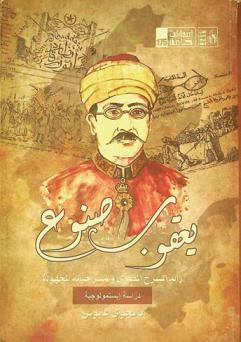
يعقوب صنوع رائد المسرح المصري ومسرحياته المجهولة : دراسة إبستمولوجية
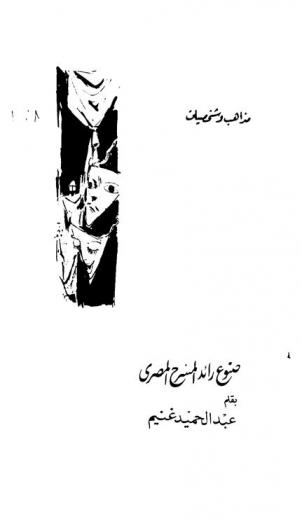
يتناول كتاب (صنوع رائد المسرح المصري) الذي قام بتأليفه عبد الحميد غنيم في حوالي (217) صفحة من القطع المتوسط موضوع (يعقوب صنوع) في هذا الكتاب يقدم الكاتب، يعقوب صنوع، رائد فن المسرح المصري والصحافة الساخرة، حيث كان له دوره في إنشاء المسرح المصري. كما نذكر دوره كرائد من رواد النهضة الثقافية الوطنية المعاصرة، التي لعبت دورها جنبا إلى جنب مع الحركة الوطنية في مصر، التي ناضلت ضد الإستعمار والإقطاع لتحقيق الإستقلال الوطني. وكان جزء أساسي من ثورتنا الثقافية، التي نسعى لتحقيقها اليوم، وأن نحيي كل التراث الوطني، ولنحقق مزيدا من التقدم الفكري والأيديولوجي، لنعكس التطورات التي تمت وتتم في بلادنا مع إنتصارات الثورة الإشتراكية وتقدمها. وقد أصبحت شخصية صنوع-على أقلام الكتاب والدارسين- أقرب إلى الشخصية الأسطورية، فقد دخل-أو أدخل-مجال تاريخ الكفاح الوطني المصري، وردد الكتاب قضية مؤداها أن الخديو إسماعيل قد أغلق مسرحه، لأنه تعرض فيه لقضايا سياسية. مثل بذخ الخديو إسماعيل، وإرهاقه لشعبه بفرض الضرائب، وأيضا الإستدانة، ومن ثم المطالبة بالحياة النيابية… إلخ ! . وكان له الكثير من المؤلفات المسرحية مثل : \"أبو نضارة\" فرقة من الشباب، هواة للمسرح، تولى هو تدريبهم وقيادتهم، فكان للفرقة مديرها، وكاتب مسرحياتها، ومخرجها، وممثلها الأول. وظلت هذه الفرقة التي أطلق عليها إسم \"فرقة الكوميدي\" تعمل من ١٨٧٠–١٨٧٢ على \"مسرح الكوميدي\"، وقدمت خلالها حوالي ثلاثين مسرحية، بعضها من خمسة فصول، والبعض الآخر من فصل واحد، ثم توقفت عن العمل بعد ذلك. وقد أدخل طريقة جديدة وهى \"إعلانات مسرحيات صنوع\"، حيث \"كانت الإعلانات ضرورية قبل عرض المسرحية\"، ذلك لإخبار الناس عن موعد تقديم المسرحية، وعن نوعها، وكان إلى جانب الإعلانات التي تعلق في الميادين والشوارع العامة لجذب الجمهور إلى مشاهدة المسرحية، كانت هناك الدعاوى المجانية التي توزع للدواوين والمصالح الحكومية والوزارات، وبعض الموظفين الرسميين، كما يحدث الآن في توزيع مثل هذه الدعاوى المجانية، التي تعتبر أيضا كنوع من الإعلان، ولكن بصورة مستترة غير مباشرة. وقدم يعقوب صنوع إثنتين وثلاثين مسرحية نذكر منها : رأس تور، وشيخ البلد والقواص، و\"غندور مصر\"، و\"زوجة الأب\"، و\"الوطن والحرية\"، و\"الحشاشين\"، و\"الضرتان\"، و\"حلوان والعليل والأميرة الإسكندرانية\"، و\"آنسة على الموضة\". بالإضافة إلى مسرحيته الشهيرة \"موليير مصر وما يقاسيه\"، التي عرض فيها متاعبه في إدارة المسرح ومشاكل الممثلين والبروفات على غرار مسرحية موليير \"إرتجالية فرساي\".
BOOK
Evolving Transcendentalism in Literature and Architecture
Evolving Transcendentalism in Literature and Architecture: Frank Furness, Louis Sullivan, and Frank Lloyd Wright demonstrates how American architects read literature and transformed abstract philosophy and literary form into physical substance. Furness, Sullivan, and Wright were inspired by such Transcendentalists as Ralph Waldo Emerson, Henry David Thoreau, and Walt Whitman, and attempted to embody the concepts of nature, American identity, and Universalism in their architecture. Notably, th.
eBook
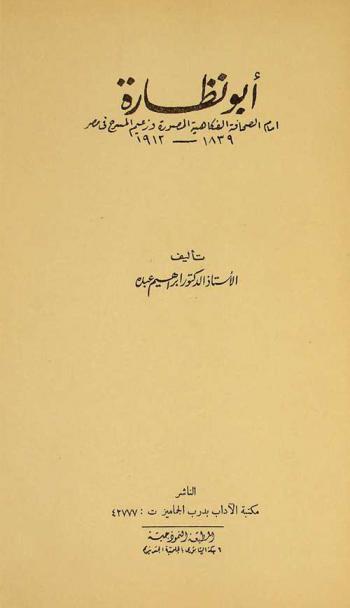
الصحفي الثائر
تناول هذا الكتاب سيرة صحفي ثائر نادر المثال في تاريخ الصحافة المصرية، ولم يكن في المقدور نشر هذه السيرة قبل 23 يوليو سنة 1952 ذلك أن صاحبها كان سوط تأديب لبيت محمد علي، ومؤرخنا دقيقا لفضائح العصر ومباذل القصر، ويمتاز يعقوب صنوع، أو أبو نظارة كما عرف في التاريخ، بأنه كان أول من أنشأ مسرحا في مصر، وأول من أصدر صحيفة هزلية كاريكاتورية في الشرق قاصيه ودانيه، وأول من أخرج مجلة بالألوان، وأول من نفى من أصحاب الأقلام، وأول من جاهد في سبيل مصر والسودان وكافح الاستعمار في كل مكان أربعة وثلاثين سنة وبطريقة لم يسبقه إليها إنسان.
BOOK

Glocalizing the (Arab) Nahḍah: An Investigation of the Nahḍah's Literacies and Multimodalities
One of the principal yet not favored consequences of approaching al-nahḍah has been representing it as another paramount example of world literature. There is, however, little interest in foregrounding what the (Arab) nahḍah does not share with the other renaissances, that is, the literary/cultural phenomena that are closely culture-bound. In view of seeing al-nahḍah's “Big Picture,” a global-only or local-only approach is inadequate and short of intellectual insight. Therefore, the idiosyncratic, diverse, and, at times, complex textual and cultural productions of the (Arab) nahḍah call for a “glocal” approach. Al-nahḍah's diverse narratives and literacies invoke, among other things, questions of translingualism and multimodality. With the advent of printing, radical and lasting transformations underwent al-nahḍah's narratives and literacies, as with the reception of zajal recitals for both reading and listening audiences. In addition, the shift from manuscripts to printed books not only radically changed literacy conventions but likewise introduced “new” arts like book illustration, caricature, and comics, not to overlook fundamental developments in composition. More specifically, the journals of Ya'qūb Ṣannū' (1839–1912), where fuṣḥā Arabic, colloquial Egyptian, and French coexist, along with illustrated caricatures, can be viewed as evidence of al-nahḍah's translingual and multimodal literacies.
Journal Article
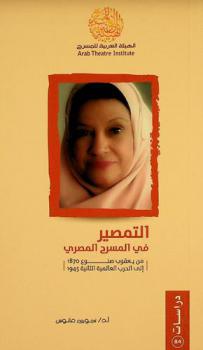
التمصير في المسرح المصري من يعقوب صنوع 1870 إلى الحرب العالمية الثانية 1945
قسمت نجوى عانوس الكتاب إلى تمهيد وثلاثة فصول، وتوضح الكاتبة في التمهيد، أسباب تأثر المسرح المصري بالمسرح الفرنسي خاصة، منذ حملة نابوليون بونابرت في 1798 م، كما تتناول مفهوم مصطلحات الترجمة، التعريب والتمصير وقتئذ، وأسباب انتشار حركة التمصير في أواخر القرن 19. فيما خصصت الفصل الأول الموسوم (عرض تاريخي للمسرحيات الممصرة)، لدراسة ظروف تمصير مسرحيات فنية، سياسية، اقتصادية واجتماعية.. وكذا التعريف بالمسرحيات الفرنسية الممصرة عنها. وفي الفصل الثاني، وعنوانه «ظواهر التمصير في المسرح المصري من 1870 إلى الحرب العالمية الثانية»، فقد أوضحت فيه الباحثة، ظواهر التمصير في مسرح ما بين الحربين، خاصة الظواهر المشتركة في تمصير الكوميديا. وتطرقت الكاتبة في الفصل الثالث من الكتاب، تحت عنوان «تمصير الأوبريت والأوبرا»، لدراسة أوبريت «المدينة المسحورة»، تمصير محمد عبد القدوس، وأوبريت «علي بابا والأربعون حرامي»، تمصير توفيق الحكيم، وأوبريت «شهرزاد»، تمصير عزيز عيد... ثم دراسة الظواهر المشتركة في تمصير أوبرا «كيلوباترا» و«مارك أنطوان»، تمصير سليم نخلة ويونس القاضي، و«أمينوسا»، تمصير توفيق الحكيم.
Book