
Catalogue Search | MBRL


Are you sure you want to remove the book from the shelf?

{{itemTitle}}
59
result(s) for
"Aliments Microbiologie"
Sort by:

Microbiology and technology of fermented foods
Microbiology and Technology of Fermented Foods While many food science programs offer courses in the microbiology and processing of fermented foods, no recently published texts exist that fully address the subject
eBook
Food microbiology
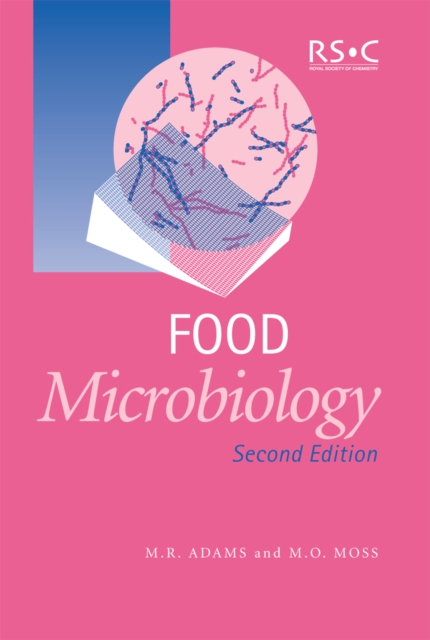
This widely acclaimed text covers the whole field of modern food microbiology. Now in its second edition, it has been revised and updated throughout and includes new sections on stress response, Mycobacterium spp., risk analysis and new foodborne health problems such as BSE. Food Microbiology covers the three main aspects of interaction between micro-organisms and food - spoilage, foodborne illness and fermentation - and the positive and negative features that result. It discusses the factors affecting the presence of micro-organisms in food and their capacity to survive and grow. Also included are recent developments in procedures used to assay and control the microbiological quality of food. Food Microbiology presents a thorough and accessible account of this increasingly topical subject, and is an ideal text for undergraduate courses in the biological sciences, biotechnology and food science. It will also be valuable as a reference for lecturers and researchers in these areas.
eBook

Enterobacter sakazakii and Salmonella in powdered infant formula : meeting report
Enterobacter sakazakii and Salmonella are the primary pathogens of concern with regard to powdered infant formula. Guidance for the control of these hazards is currently being developed by Codex Alimentarius through the revision of the Recommended International Code of Hygienic Practices for Foods for Infants and Children. FAO and WHO are providing the scientific advice to facilitate this work. FAO and WHO implemented the first meeting on this issue in 2004, the outcome of which is reported in number six of this series. This report builds on the information and advice provided in 2004. Following the analysis of new and additional information and the development of a more extensive risk assessment on E. sakazakii in powdered infant formula, this volume aims to provide the most up-to- date information on these microorganisms, the risk associated with their presence in powdered infant formula and scientific advice to facilitate the management of that risk.--Publisher's description.
eBook
Food biodeterioration and preservation
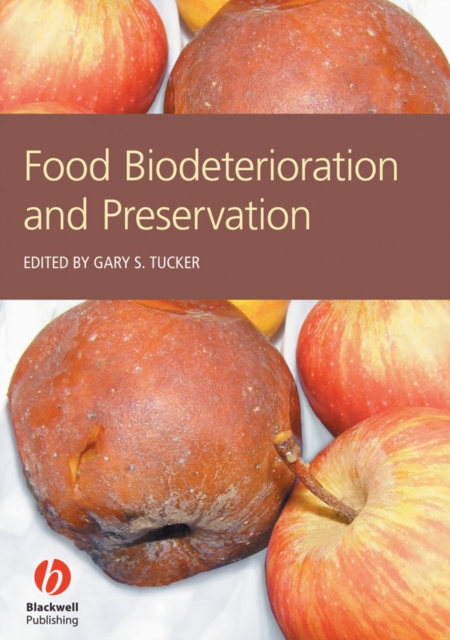
Biodeterioration can be defined as the breakdown of food by agents of microbiological origin, either directly or from products of their metabolism. Microbiological sources can be present in foods prior to packaging or on the surfaces of packaging materials. The shelf life and safety of the food will depend on the type and quantity of microorganism, as well as the hurdles to their growth offered by various preservation techniques.
This book discusses how the agents of food biodeterioration operate, and examines the commercially-used industrial methods available to control them, allowing the production of safe and wholesome foods. There is an emphasis on the equipment employed to carry out the various methods of preservation.
The introductory chapter describes in detail the microorganisms and mechanisms of food breakdown intrinsic to various key food types; dairy, meat and fish, fruit, and vegetables. Direct microorganism action will be covered in addition to enzymatic breakdown. The second chapter addresses HACCP, including food safety legislation. Subsequent chapters outline the principal, commercially-used methods of preserving foods. These chapters follow a common structure: theoretical background; flow sheets of operations; food preparation/processing equipment; special features of hygiene; packaging; shelf life; and product safety.
Food Biodeterioration and Preservation is directed at food scientists and technologists in industry and academia. Since it covers all the commonly-used methods of food preservation, it will be relevant across the entire food manufacturing industry.
eBook
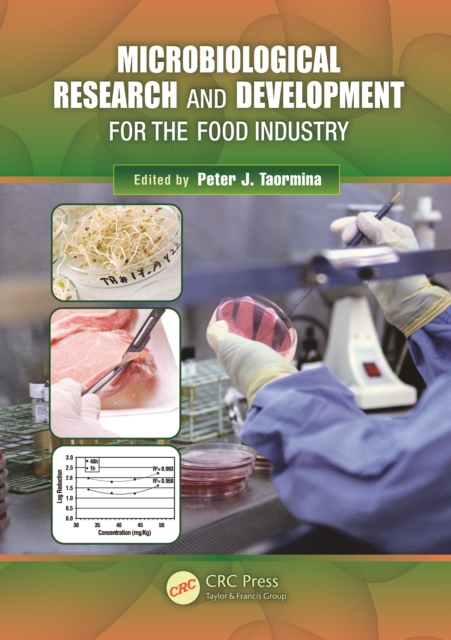
Microbiological Research and Development for the Food Industry
Written to walk the reader through the process of investigating microorganisms in food systems for consumer and brand protection, this text provides practical insights into the necessary mechanisms and research of the field. It fuses the business and scientific aspects of microbiological research to underscore the return on investment for food, beverage, and food ingredient producers. This text goes beyond routine presence/absence testing of pathogens and spoilage microorganisms in foods by describing ways data can be collected to answer more complex questions, and provides examples of how such data can be applied to consumer and brand protection efforts.
eBook
Case studies in food microbiology for food safety and quality
This unique book covers the key issues relating to the control and management of the most commonly occurring food borne bacteria which compromise the safety and quality of food. The 21 case studies, drawn from a wide range of sources, present real life situations in which the management of food borne pathogens failed or was at risk of failure. Each chapter contains a case study which is supported by relevant background information (such as diagrams, tables of data, etc.), study questions and a subsequent feedback commentary, all of which encourage the reader to apply their knowledge. With reference to specific organisms such as E. coli, Salmonella, Listeria monocytogenes and so on, the chapters move the reader progressively from strategies for control of food borne organisms, techniques for their control, appreciating risk, through sampling criteria and acceptance, to managing risk. With the provision of real-life problems to explore, along with the opportunity to propose and justify approaches to managing food safety, this book will be welcomed as a new approach to learning not only by students and their teachers, but also by food professionals in policy-making and enforcement and the many within the food industry who are involved with the management of food safety.
eBook
Advances in Microbial Food Safety
New research, outbreaks of foodborne disease and changes to legislation mean that food microbiology research is constantly evolving.Advances in microbial food safety: Volume 1 summarises the key trends in this area for the food industry.The book begins with an introductory chapter discussing food safety management systems from the past.
eBook
Food Microbiology (3rd Edition)
This is the Third Edition of a widely acclaimed text which covers the whole field of modern food microbiology. It has been thoroughly revised and updated to include the most recent developments in the field. It covers the three main aspects of the interaction between micro-organisms and food - spoilage, foodborne illness and fermentation - and the positive and negative features that result. It discusses the factors affecting the presence of micro-organisms in foods and their capacity to survive and grow. Also included are recent developments in procedures used to assay and control the microbiological quality of food and protect public health. The book is a thorough and accessible account designed for students in the biological sciences, biotechnology and food science. It will also be valuable to researchers, teachers and practicing food microbiologists.
eBook