
Catalogue Search | MBRL


Are you sure you want to remove the book from the shelf?

{{itemTitle}}
410
result(s) for
"Exercice."
Sort by:

Anatomy of strength & conditioning
Strength training and conditioning, though different in definition and result, are reliant on one another and complement each other. A person who is both strong and well conditioned will be able to sustain physically strenuous activities for a prolonged period of time. Liebman focuses on the skills that, when continually applied and mastered, will help you to achieve your best.
Book

No More \How Long Does It Have to Be?\
In No More \"How Long Does it Have to Be?\": Fostering Independent Writers in Grades 3-8, author Jennifer Jacobson provides the inspiration and tools to shift from a teacher-directed writing program to a student-propelled workshop model. Drawing on a wealth of Writer's Workshop experience in upper elementary and middle school classrooms, Jacobson provides strategies to help you engage and support writers as they discover their voices and take charge of their own learning. Jacobson shares tips on how to establish the spaces, routines, and tone to run a highly productive writing time:
Building classroom spaces conducive to practicing thoughtful, engaging writing
Rolling out a streamlined sequence of varied writing activities
Leading creative explorations of mentor texts
Integrating the riches of mini-lessons, conferring, sharing, and publishing
Building a workshop curriculum that aligns with your goals and rubrics
As she clarifies misconceptions about writing and workshops, she serves up an immensely readable blend of activities, anecdotes, and advice that will energize and inspire your students.
eBook

Application of Pilates-based exercises in the treatment of chronic non-specific low back pain: state of the art
According to the current recommendations on the management of chronic non-specific low back pain (CNLBP), the intervention in this group of patients should include a programme of exercises. Pilates is a system of exercises widely used in patients with low back pain. The practices based on this method have promoted the restoration of the function of muscles involved in lumbopelvic stabilisation, that is, transversus abdominis, multifidus, diaphragm and pelvic floor muscles. During each exercise, specific principles of this method should be followed to restore or sustain the motor control of the lumbar spine and proper body posture. The aim of this study is to present the current state of knowledge concerning the application of Pilates method in the management of CNLBP as well as to define factors (eg, duration, frequency, exercises performed on a mat or specific equipment) influencing the effectiveness of Pilates in these individuals.
Journal Article

Timely N-Acetyl-Cysteine and Environmental Enrichment Rescue Oxidative Stress-Induced Parvalbumin Interneuron Impairments via MMP9/RAGE Pathway: A Translational Approach for Early Intervention in Psychosis
Abstract
Research in schizophrenia (SZ) emphasizes the need for new therapeutic approaches based on antioxidant/anti-inflammatory compounds and psycho-social therapy. A hallmark of SZ is a dysfunction of parvalbumin-expressing fast-spiking interneurons (PVI), which are essential for neuronal synchrony during sensory/cognitive processing. Oxidative stress and inflammation during early brain development, as observed in SZ, affect PVI maturation. We compared the efficacy of N-acetyl-cysteine (NAC) and/or environmental enrichment (EE) provided during juvenile and/or adolescent periods in rescuing PVI impairments induced by an additional oxidative insult during childhood in a transgenic mouse model with gluthation deficit (Gclm KO), relevant for SZ. We tested whether this rescue was promoted by the inhibition of MMP9/RAGE mechanism, both in the mouse model and in early psychosis (EP) patients, enrolled in a double-blind, randomized, placebo-controlled clinical trial of NAC supplementation for 6 months. We show that a sequential combination of NAC+EE applied after an early-life oxidative insult recovers integrity and function of PVI network in adult Gclm KO, via the inhibition of MMP9/RAGE. Six-month NAC treatment in EP patients reduces plasma sRAGE in association with increased prefrontal GABA, improvement of cognition and clinical symptoms, suggesting similar neuroprotective mechanisms. The sequential combination of NAC+EE reverses long-lasting effects of an early oxidative insult on PVI/perineuronal net (PNN) through the inhibition of MMP9/RAGE mechanism. In analogy, patients vulnerable to early-life insults could benefit from a combined pharmacological and psycho-social therapy.
Journal Article

Is the Goal Intrinsic or Extrinsic? Examining Self-Determination Theory Researchers' and the General Publics' Perceptions of Exercise Goals
Within the literature, scholars have raised concerns regarding the general publics' interpretation of intrinsic and extrinsic goals/messages, which has prompted a need to examine the specific words to be used in exercise promotion messages. The purpose of this research was to explore which exercise goal words self-determination theory (SDT) researchers and the general public perceived as intrinsic and/or extrinsic, and how these perceptions differed between these groups. A cross-sectional, online survey was presented to SDT researchers (n = 13) and general public participants (nmen = 123, nwomen = 188). Based on study findings, 27 intrinsic goal words and 24 extrinsic goal words were identified that were most commonly classified in their respective category in comparison to other categories by SDT researchers and the general public. In contrast, SDT researchers and the general public participants differed significantly on 55% of the words. These findings provide scholars as well as programme and message designers with a preliminary word bank when investigating or promoting exercise goals. Additionally, this study identified some words that should be approached with caution and brings awareness to the problematic nature of the multibarreled definitions of intrinsic and extrinsic goals.
Dans la littérature, les chercheurs ont soulevé des préoccupations concernant l'interprétation par le grand public des objectifs/messages intrinsèques et extrinsèques, d'où la nécessité d'examiner les termes spécifiques à utiliser dans les messages de promotion de l'exercice physique. L'objectif de cette recherche était d'explorer quels termes relatifs aux objectifs de l'exercice physique les chercheurs de la théorie de l'autodétermination (SDT ou Self-Determination Theory en anglais) et le grand public percevaient comme intrinsèques et (ou) extrinsèques, et en quoi ces perceptions différaient entre ces groupes. Une enquête transversale en ligne a été présentée aux chercheurs de la SDT (n = 13) et aux participants du grand public (n hommes = 123, n femmes = 188). Les résultats de l'étude ont permis d'identifier 27 termes d'objectifs intrinsèques et 24 termes d'objectifs extrinsèques qui étaient le plus souvent classés dans leur catégorie respective par rapport à d'autres catégories par les chercheurs de la SDT et le grand public. En revanche, les chercheurs de la SDT et les participants du grand public différaient de manière significative sur 55 % des termes. Ces résultats fournissent aux chercheurs ainsi qu'aux concepteurs de programmes et de messages une banque de termes préliminaire pour l'étude ou la promotion des objectifs en matière d'exercice physique. En outre, cette étude a permis d'identifier certains termes qu'il convient d'aborder avec prudence et de prendre conscience de la nature problématique des définitions à volets multiples des objectifs intrinsèques et extrinsèques.
Public Significance Statement
The results of this study identified 27 intrinsic goal words as part of an initial word bank to be used in exercise messages by researchers, message designers, or programme coordinators. This study identified 24 extrinsic goal words that could be used by researchers when comparing extrinsic messages to intrinsic messages or avoided by message designers when promoting exercise to the public. This study also flagged concerns regarding the multibarrel nature of the definitions particularly when considering the internal/external element as well as the needs supporting element which may be contradictory when trying to classify certain words.
Journal Article

Forced intensity-controlled endurance training on a small-animal treadmill machine inducing murine cardiac hypertrophy: insights and comparison to voluntary running models
Endurance training is associated with decreased cardiovascular-related morbidity and mortality. Cardiac hypertrophy is an adaptive mechanism, and murine exercise models for cardiac hypertrophy are still under discussion. Using a small-animal treadmill, a forced intensity-controlled training model was conducted to characterize cardiac hypertrophy in mice utilizing multimodal analyses and then compared to datasets of voluntary running mice. Wild-type male C57BL/6 mice at 8 weeks old were subjected to forced endurance training using a small-animal treadmill or sedentary age-matched control. Five different measurement points (0-, 2-, 4-, 8-, and 12 weeks) were used to assess phenotypic changes. Each training group was scanned using an ECG-gated 18 F-FDG PET/CT scan to evaluate cardiac volumetric parameters. Morphometric analyses were performed for body, heart, and tibia length. Heart samples were used for staining to measure cross-sectional area, inflammatory cell infiltration, and fibrosis. In addition, transcriptomic analysis of 8-week training hearts was evaluated using RNA sequencing. Endurance training promotes significant body weight loss in training mice as early as 2 weeks. After 8 and 12 weeks of training, the heart weight/tibia length ratio was significantly higher than the control. Cardiomyocyte (CM) cross-sectional areas were enlarged by 1.8-fold and shifted to the increased surface area upon training. The CM size plateaued after 8 weeks of forced training. No accompanying inflammation or fibrosis in the training heart was detected, confirming a physiological hypertrophic response induced by forced endurance training. RNA sequencing revealed several genes involved in the cell cycle, apoptosis, contractile protein expression, and organ growth that were among the most differentially regulated genes after 8 weeks of exercise. Forced running showed a more robust gene expression than the published voluntary running model, focusing on growth, hypertrophy, and insulin-like growth factor-related genes. This study investigated the morphometric, histologic, functional, and transcriptomic alterations in cardiac hypertrophy induced by forced intensity-controlled treadmill exercise and discusses its advantages compared to voluntary running models.
Journal Article

Sports and Aging
In Sports and Aging a wide-ranging group of physically
active people, including many scholar-athletes, fifty years and
older, discuss sports in the context of aging and their own
athletic experiences. This collection of personal accounts includes
a spectrum of contributors across genders, social classes, and
racial, ethnic, national, religious, and educational backgrounds to
determine whether there are any common characteristics that can
promote long, happy, healthy, and meaningful lifespans. In this
fresh look at the role of sports in the process of aging,
contributors range from a ninety-six-year-old great-grandmother to
a former Olympian. Many contributors have used education to better
their lot in life or to find solace and meaning in the service of
others. For all, sports or physical activity has enhanced their
health and temperament and provided a sense of community.
eBook
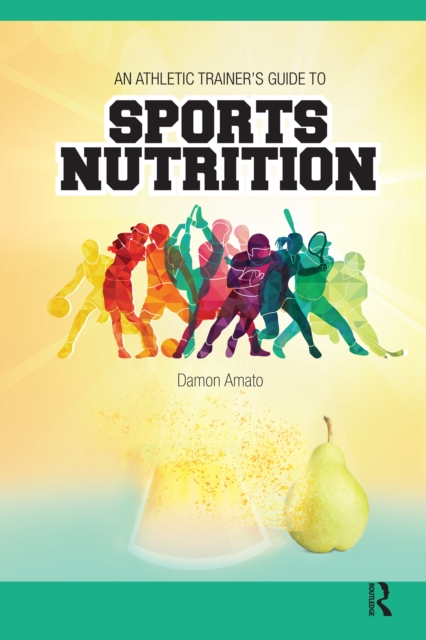
An Athletic Trainer's Guide to Sports Nutrition
An Athletic Trainer's Guide to Sports Nutrition
fills the void of a subject area that is under-represented in current athletic trainer curriculums despite its importance in the field.
Damon Amato has created a text that can be easily read and understood by health care professionals yet is in-depth enough to create a solid understanding of how the body works, making it easy to then pass on the information to athletes to help them eat ideally based on their specific sport, goal, and situation.
Giving a physiology background is necessary to lay the foundation for understanding why certain recommendations in the text are given; however, only the necessary details are included to focus on what is pertinent for athletic trainers to understand while advising athletes.
Some topics covered inside:
Basics of human nutrition
Disordered eating and eating disorders in athletes
Supplements
Eating optimally for injury recovery
Nutrient timing
Special situations
An Athletic Trainer's Guide to Sports Nutrition
gives athletic training clinicians and students the information and tools necessary to aid athletes in maintaining peak performance in nutrition, and fills the void left in the current athletic training curriculum.
eBook

Interactions between gut microbiota and skeletal muscle
The gut microbiota is now recognized as a major contributor to the host’s nutrition, metabolism, immunity, and neurological functions. Imbalanced microbiota (ie, dysbiosis) is linked to undernutrition-induced stunting, inflammatory and metabolic diseases, and cancers. Skeletal muscle also takes part in the interorgan crosstalk regulating substrate metabolism, immunity, and health. Here, we review the reciprocal influence of gut microbiota and skeletal muscle in relation to juvenile growth, performance, aging, and chronic diseases. Several routes involving the vascular system and organs such as the liver and adipose tissue connect the gut microbiota and skeletal muscle, with effects on fitness and health. Therapeutic perspectives arise from the health benefits observed with changes in gut microbiota and muscle activity, further encouraging multimodal therapeutic strategies.
Journal Article

Comparison of mental health and physical fitness of mentally disabled people suffering from cancer participating in a nine-month physical activity program
This study compared mental health and physical fitness in individuals with intellectual disabilities and cancer following a 9-month physical activity progra basic level basketball and football exercises, simple abdominal exercises, educational games. Using a pre-test/post-test design, we evaluated 157 participants (aged 18-25) in Çanakkale. Measurements included skinfold thickness (biceps: 7.42±2.9cm to 10.58±6.4cm; triceps: 12.75±5.4cm to 16.25±8.6cm) and sit-and-reach flexibility tests. Results showed significant improvements in body composition (p<0.05) and mental health (p=0.001), including reduced depression (α=0.85), anxiety, and enhanced quality of life (α=0.71), while total weight remained stable (69.58±8.8kg to 70.08±10.1kg). The findings demonstrate that structured exercise programs effectively enhance both physical and mental health outcomes in this population, highlighting the importance of incorporating regular physical activity into weekly schedules for individuals with intellectual disabilities and cancer.
Cette étude a comparé la santé mentale et la condition physique chez des personnes atteintes de déficience intellectuelle et de cancer après un programme d'activité physique de 9 mois. À l'aide d'un protocole pré-test/post-test, nous avons évalué 157 participants (âgés de 18 à 25 ans) à Çanakkale. Les mesures comprenaient l'épaisseur du pli cutané (biceps : 7,42 ± 2,9 cm à 10,58 ± 6,4 cm ; triceps : 12,75 ± 5,4 cm à 16,25 ± 8,6 cm) et des tests de flexibilité en position assise et allongée. Les résultats ont montré des améliorations significatives de la composition corporelle (p < 0,05) et de la santé mentale (p = 0,001), notamment une réduction de la dépression (α = 0,85), de l'anxiété et une amélioration de la qualité de vie (α = 0,71), tandis que le poids total est resté stable (69,58 ± 8,8 kg à 70,08 ± 10,1 kg). Les résultats démontrent que les programmes d'exercices structurés améliorent efficacement les résultats en matière de santé physique et mentale dans cette population, soulignant l'importance d'intégrer une activité physique régulière dans les programmes hebdomadaires des personnes souffrant de déficience intellectuelle et de cancer.
Journal Article