
Catalogue Search | MBRL


Are you sure you want to remove the book from the shelf?

{{itemTitle}}
193,352
result(s) for
"HISTORY / General."
Sort by:

Mobilizing Labour for the Global Coffee Market
Coffee has been grown on Java for the commercial market since the early eighteenth century, when the Dutch East India Company began buying from peasant producers in the Priangan highlands. What began as a commercial transaction, however, soon became a system of compulsory production. This book shows how the Dutch East India Company mobilised land and labour, why they turned to force cultivation, and what effects the brutal system they installed had on the economy and society.
eBook

Images of the Canton Factories 1760–1822
Hundreds of Chinese export paintings of Canton trading houses and shopping streets are in museums and private collections throughout the world, and scholars of art and history have often questioned the reliability of these historical paintings. In this illustrated volume, Paul Van Dyke and Maria Mok examine these Chinese export paintings by matching the changes in the images with new historical data collected from various archives. Many factory paintings are reliable historical records in their own right and can be dated to a single year. Dating images with such precision was not possible in the past owing to insufficient information on the scenes. The new findings in this volume provide unprecedented opportunities to re-date many art works and prove that images of the Canton factories painted on canvas by Chinese artists are far more trustworthy than what scholars have believed in the past.
eBook

Venomous encounters
How do we know which snakes are dangerous? This seemingly simple
question caused constant concern for the white settlers who
colonised Australia after 1788. Facing a multitude of serpents in
the bush, their fields and their homes, colonists wanted to know
which were the harmful species and what to do when bitten. But who
could provide this expertise? Liberally illustrated with period
images, Venomous Encounters argues that much of the
knowledge about which snakes were deadly was created by observing
snakebite in domesticated creatures, from dogs to cattle.
Originally accidental, by the middle of the nineteenth century this
process became deliberate. Doctors, naturalists and amateur
antidote sellers all caused snakes to bite familiar creatures in
order to demonstrate the effects of venom - and the often erratic
impact of 'cures'. In exploring this culture of colonial
vivisection, Venomous Encounters asks fundamental
questions about human-animal relationships and the nature of modern
medicine.
eBook
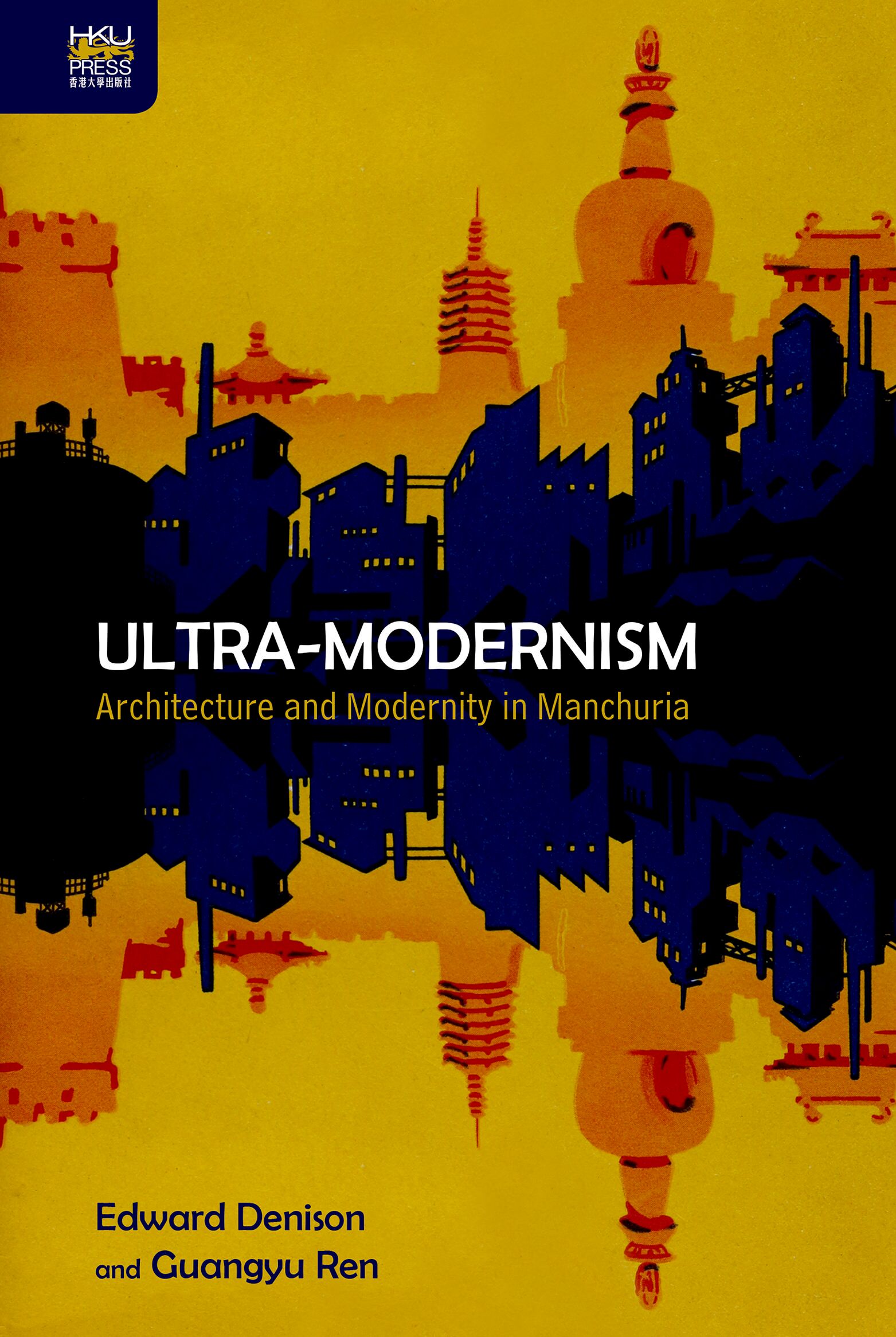
Ultra-Modernism
The first half of the twentieth century was fraught with global tensions and political machinations. However, for all the destruction in that period, these geopolitical conditions in Manchuria cultivated an extraordinary variety of architecture and urban planning, which has completely escaped international attention until now. With over forty carefully chosen images, Ultra-Modernism: Architecture and Modernity in Manchuria is the first book in English that illustrates Manchuria’s encounter with modernity through its built environment. Edward Denison and Guangyu Ren take readers through Russia’s early territorial claims, Japan’s construction of the South Manchuria Railway (SMR), and the establishment of Manchukuo in 1932. The book examines in detail the creation of modern cities along the SMR and focuses on three of the most important modern urban centres in Manchuria: the Russian-dominated city of Harbin, the port of Dalian, and the new capital of Manchukuo, Hsinking (Changchun). Like so much of the world outside ‘the West’ during the twentieth century, Manchuria’s encounter with modernity is merely a faint whisper drowned out by the deafening master narrative of Western-centric modernism. This book attempts to redress an imbalance in the modern history of China by studying the impact of Japan on architecture and planning beyond the depredations of the Sino-Japanese War.
eBook
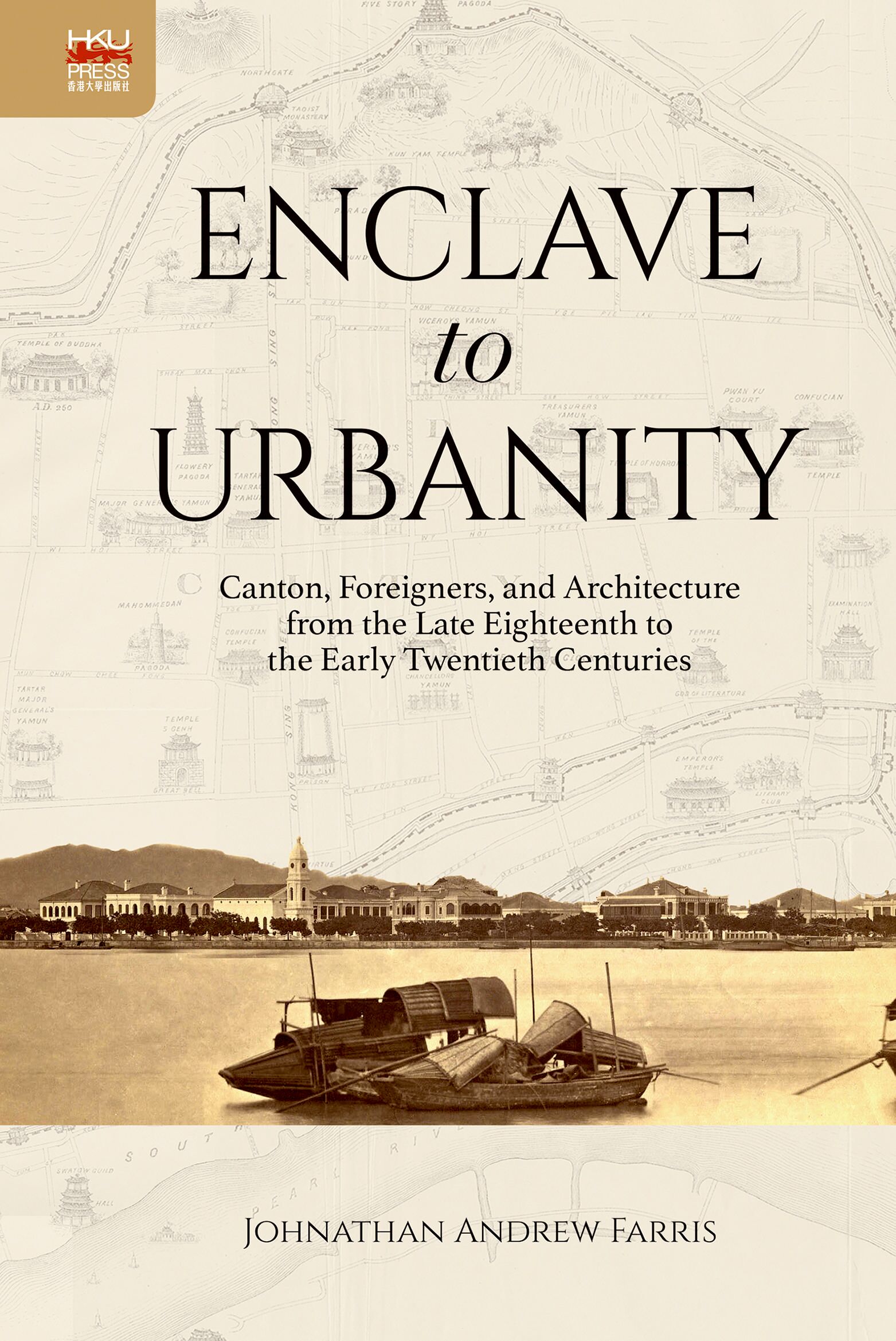
Enclave to Urbanity
Cross-cultural relations are spatial relations. Enclave to Urbanity is the first book in English that examines how the architecture and the urban landscape of Guangzhou framed the relations between the Western mercantile and missionary communities and the city’s predominantly Chinese population. The book takes readers through three phases: the Thirteen Factories era from the eighteenth century to the 1850s; the Shamian enclave up to the early twentieth century; and the adoption of Western building techniques throughout the city as its architecture modernized in the early Republic. The discussion of architecture goes beyond stylistic trends to embrace the history of shared and disputed spaces, using a broadly chronological approach that combines social history with architectural and spatial analysis. With nearly a hundred carefully chosen images, this book illustrates how the foreign architectural footprints of the past form the modern Guangzhou.
eBook

The Classical Gardens of Shanghai
In The Classical Gardens of Shanghai, Shelly Bryant looks at five of Shanghai’s remaining classical gardens through their origins, changing fortunes, restorations, and links to a wider Chinese aesthetic. Shanghai’s classical gardens are as much text as space; they exist in art, poetry, and literature as much as in stone, rock, and earth. But these gardens have not remained static entities. Rather, they have been remodelled constantly since their inception. This book reflects this process within the constancy of traditional Chinese horticulture and reveals Shanghai’s remaining classical gardens as places representing wealth and social status, social and dynastic shifts, through falling family fortunes and political revolutions to search for a recovery of China’s ancient culture in the modern day.
eBook
History
Without denying the importance of the postmodernist approach to the narrative form and rhetorical strategies of historiography, the author, one of Germany's most prominent cultural historians, argues here in favor of reason and methodical rationality in history. He presents a broad variety of aspects, factors and developments of historical thinking from the 18th century to the present, thus continuing, in exemplary fashion, the tradition of critical self-reflection in the humanities and looking at historical studies as an important factor of cultural orientation in practical life.
eBook

Responsible History
“I can warmly recommend Responsible History to any concerned historian in need of a reliable compass for responsible conduct. I endorse Voltaire’s words quoted in this book: ‘Those who can make you believe absurdities, can make you commit atrocities.’ Responsible conduct is necessary because irresponsible conduct is dangerous.” [From the Foreword.] The abuse of history is common and quite possibly once more on the rise. Although this is well documented, there is no general theory that enables historians to identify, prove, explain, and evaluate the many types of abuse of history. In this book, the author, founder of the Network of Concerned Historians, presents such a theory. Reflecting on the responsible use of history, the author identifies the duties that the living has toward the dead and analyzes the rights to memory and history necessary to fulfill these duties. He concludes his powerful argument by proposing a code of ethics as a guide for responsible historians. This work is vital for any historian who wants to oppose and prevent the abuse of history.
eBook
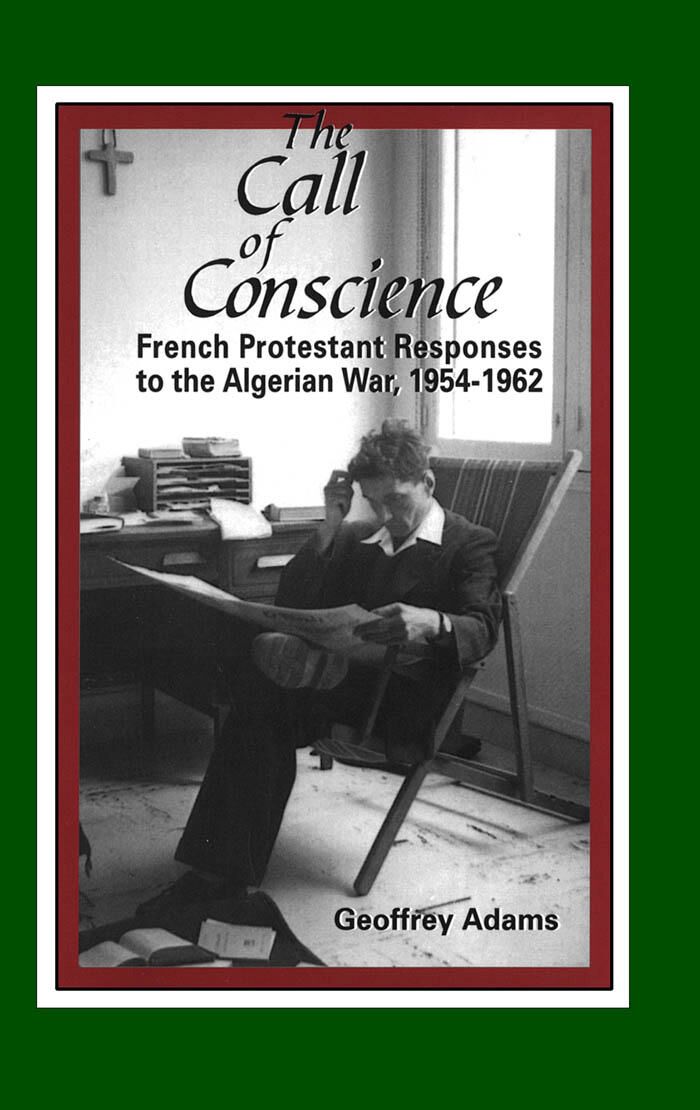
The Call of Conscience
Initially, when the government in Paris responded with force to the November 1, 1954 insurrection of Algerian nationalists, French public opinion offered all but unanimous support. Then it was revealed that hundreds of thousands of Muslims were herded into resettlement camps in Algeria; that Algerians suspected of nationalist sympathies were imprisoned in France; that conscientious objectors were denied their rights; and that a resolution to the conflict, either by force or by peaceful methods, was not forthcoming. When it was proven that the army was guilty of abuses, members of the Protestant minority protested and then laboured to educate their own communities as well as the public at large to the moral and spiritual perils of these actions. Based on painstaking research and solid scholarship, The Call of Conscience: French Protestant Responses to the Algeria War, 1954-1962 reveals a rich portrait of the protest.
eBook

The Huguenots and French Opinion, 1685-1787
The decision of Louis XIV to revoke the Edict of Nantes and thus liquidate French Calvinism was well received in the intellectual community which was deeply prejudiced against the Huguenots. This antipathy would gradually disappear. After the death of the Sun King, a more sympathetic view of the Protestant minority was presented to French readers by leading thinkers such as Montesquieu, the abbé Prévost, and Voltaire. By the middle years of the eighteenth century, liberal clerics, lawyers, and government ministers joined Encyclopedists in urging the emancipation of the Reformed who were seen to be loyal, peaceable and productive. Then, in 1787, thanks to intensive lobbying by a group which included Malesherbes, Lafayette, and the future revolutionary Rabaut Saint-Étienne, the government of Louis XVI issued an edict of toleration which granted the Huguenots a modest bill of civil and religious rights. Adams’ illuminating work treats a major chapter in the history of toleration; it explores in depth a fascinating shift in mentalités, and it offers a new focus on the process of “reform from above” in pre-Revolutionary France.
eBook