
Catalogue Search | MBRL


Are you sure you want to remove the book from the shelf?

{{itemTitle}}
70,884
result(s) for
"Imaging techniques"
Sort by:

How do I do that in Photoshop? : the quickest ways to do the things you want to do, right now!
Offers a guide to Adobe Photoshop intended to allow users to find and use the features they are interested in quickly.
Book

Nuclear cardiology practice and associated radiation doses in Europe: results of the IAEA Nuclear Cardiology Protocols Study (INCAPS) for the 27 European countries
Purpose
Nuclear cardiology is widely used to diagnose coronary artery disease and to guide patient management, but data on current practices, radiation dose-related best practices, and radiation doses are scarce. To address these issues, the IAEA conducted a worldwide study of nuclear cardiology practice. We present the European subanalysis.
Methods
In March 2013, the IAEA invited laboratories across the world to document all SPECT and PET studies performed in one week. The data included age, gender, weight, radiopharmaceuticals, injected activities, camera type, positioning, hardware and software. Radiation effective dose was calculated for each patient. A quality score was defined for each laboratory as the number followed of eight predefined best practices with a bearing on radiation exposure (range of quality score 0 – 8). The participating European countries were assigned to regions (North, East, South, and West). Comparisons were performed between the four European regions and between Europe and the rest-of-the-world (RoW).
Results
Data on 2,381 European patients undergoing nuclear cardiology procedures in 102 laboratories in 27 countries were collected. A cardiac SPECT study was performed in 97.9 % of the patients, and a PET study in 2.1 %. The average effective dose of SPECT was 8.0 ± 3.4 mSv (RoW 11.4 ± 4.3 mSv;
P
< 0.001) and of PET was 2.6 ± 1.5 mSv (RoW 3.8 ± 2.5 mSv;
P
< 0.001). The mean effective doses of SPECT and PET differed between European regions (
P
< 0.001 and
P
= 0.002, respectively). The mean quality score was 6.2 ± 1.2, which was higher than the RoW score (5.0 ± 1.1;
P
< 0.001). Adherence to best practices did not differ significantly among the European regions (range 6 to 6.4;
P
= 0.73). Of the best practices, stress-only imaging and weight-adjusted dosing were the least commonly used.
Conclusion
In Europe, the mean effective dose from nuclear cardiology is lower and the average quality score is higher than in the RoW. There is regional variation in effective dose in relation to the best practice quality score. A possible reason for the differences between Europe and the RoW could be the safety culture fostered by actions under the Euratom directives and the implementation of diagnostic reference levels. Stress-only imaging and weight-adjusted activity might be targets for optimization of European nuclear cardiology practice.
Journal Article

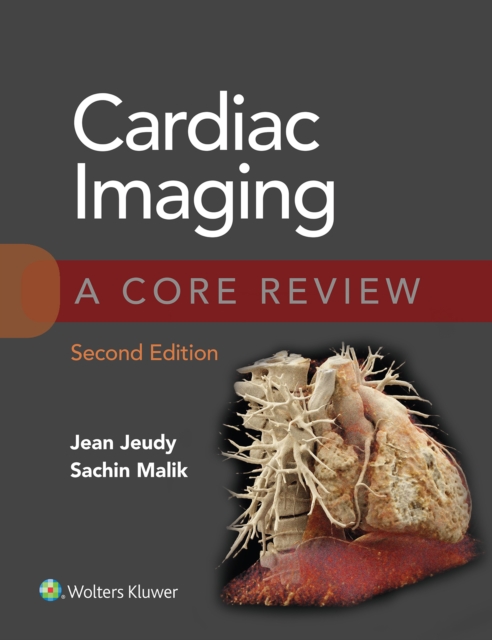
Cardiac Imaging: A Core Review
Prepare for success on the cardiac imaging component of the radiology Core Exam! Cardiac Imaging: A Core Review, 2nd Edition, by Drs. Jean Jeudy and Sachin Malik, is an up-to-date, practical review tool written specifically for the Core Exam. This helpful resource contains 300 image-rich, multiple-choice questions with detailed explanations of right and wrong answers, fully revised content, high-yield tables for easy review, and additional eBook questions to ensure you're ready for the Core Exam or recertification exam.
eBook

Liver elasticity in healthy individuals by two novel shear-wave elastography systems—Comparison by age, gender, BMI and number of measurements
Establishing normal liver stiffness (LS) values in healthy livers is a prerequisite to differentiate normal from pathological LS values. Our aim was to define normal LS using two novel elastography methods head-to-head and to assess the number of measurements, variability and reproducibility.
We evaluated shear wave elastography (SWE) methods integrated in Samsung RS80A and GE S8 by obtaining LS measurements (LSM) in 100 healthy subjects (20-70 years). Transient Elastography (TE) was used as reference method. Data were analyzed according to age, sex, BMI and 5 vs. 10 measurements. All subjects underwent B-mode ultrasound examination and lab tests to exclude liver pathology. Interobserver variation was evaluated in a subset (n = 24).
Both methods showed excellent feasibility, measuring LS in all subjects. LSM-mean for GE S8 2D-SWE was higher compared to TE (4.5±0.8 kPa vs. 4.2±1.1, p<0.001) and Samsung RS80A (4.1±0.8 kPa, p<0.001). Both methods showed low intra- and interobserver variation. LSM-mean was significantly higher in males than females using 2D-SWE, while a similar trend for Samsung SWE did not reach significance. No method demonstrated statistical significant difference in LSM across age and BMI groups nor between LSM-mean based on 5 vs. 10 measurements.
LSM was performed with high reproducibility in healthy adult livers. LSM-mean was significantly higher for GE S8 2D-SWE compared to Samsung RS80A and TE in healthy livers. Males had higher LSM than females. No method demonstrated statistical significant difference in LSM-mean across age- and non-obese BMI groups. Our results indicate that five LSM may be sufficient for reliable results.
Journal Article

Liver fibrosis assessment: MR and US elastography
Elastography has emerged as a preferred non-invasive imaging technique for the clinical assessment of liver fibrosis. Elastography methods provide liver stiffness measurement (LSM) as a surrogate quantitative biomarker for fibrosis burden in chronic liver disease (CLD). Elastography can be performed either with ultrasound or MRI. Currently available ultrasound-based methods include strain elastography, two-dimensional shear wave elastography (2D-SWE), point shear wave elastography (pSWE), and vibration-controlled transient elastography (VCTE). MR Elastography (MRE) is widely available as two-dimensional gradient echo MRE (2D-GRE-MRE) technique. US-based methods provide estimated Young’s modulus (eYM) and MRE provides magnitude of the complex shear modulus. MRE and ultrasound methods have proven to be accurate methods for detection of advanced liver fibrosis and cirrhosis. Other clinical applications of elastography include liver decompensation prediction, and differentiation of non-alcoholic steatohepatitis (NASH) from simple steatosis (SS). In this review, we briefly describe the different elastography methods, discuss current clinical applications, and provide an overview of advances in the field of liver elastography.
Journal Article

Evaluation of standard breast ultrasonography by adding two-dimensional and three-dimensional shear wave elastography: a prospective, multicenter trial
Objective
To reduce the number of biopsies performed on benign breast lesions categorized as BI-RADS 4–5, we investigated the diagnostic performance of combined two-dimensional and three-dimensional shear wave elastography (2D + 3D SWE) with standard breast ultrasonography (US) for the BI-RADS assessment of breast lesions.
Methods
A total of 897 breast lesions, categorized as BI-RADS 3–5, were subjected to standard breast US and supplemented by 2D SWE only and 2D + 3D SWE analysis. Based on the malignancy rate of less than 2% for BI-RADS 3, lesions assessed by standard breast US were reclassified with SWE assessment.
Results
After standard breast US evaluation, 268 (46.1%) participants underwent benign biopsies in BI-RADS 4–5 lesions. By using separated cutoffs for upstaging BI-RADS 3 at 120 kPa and downstaging BI-RADS 4a at 90 kPa in 2D + 3D SWE reclassification, 123 (21.2%) participants underwent benign biopsy, resulting in a 54.1% reduction (123 versus 268).
Conclusion
Combining 2D + 3D SWE with standard breast US for reclassification of BI-RADS lesions may achieve a reduction in benign biopsies in BI-RADS 4–5 lesions without sacrificing sensitivity unacceptably.
Clinical relevance statement
Combining 2D + 3D SWE with US effectively reduces benign biopsies in breast lesions with categories 4–5, potentially improving diagnostic accuracy of BI-RADS assessment for patients with breast lesions.
Trial registration
ChiCTR1900026556
Key Points
• Reduce benign biopsy is necessary in breast lesions with BI-RADS 4–5 category.
• A reduction of 54.1% on benign biopsies in BI-RADS 4–5 lesions was achieved using 2D + 3D SWE reclassification.
• Adding 2D + 3D SWE to standard breast US improved the diagnostic performance of BI-RADS assessment on breast lesions: specificity increased from 54 to 79%, and PPV increased from 54 to 71%, with slight loss in sensitivity (97.2% versus 98.7%) and NPV (98.1% versus 98.7%).
Journal Article

Transfer learning radiomics based on multimodal ultrasound imaging for staging liver fibrosis
ObjectivesTo propose a transfer learning (TL) radiomics model that efficiently combines the information from gray scale and elastogram ultrasound images for accurate liver fibrosis grading.MethodsTotally 466 patients undergoing partial hepatectomy were enrolled, including 401 with chronic hepatitis B and 65 without fibrosis pathologically. All patients received elastography and got liver stiffness measurement (LSM) 2–3 days before surgery. We proposed a deep convolutional neural network by TL to analyze images of gray scale modality (GM) and elastogram modality (EM). The TL process was used for liver fibrosis classification by Inception-V3 network which pretrained on ImageNet. The diagnostic performance of TL and non-TL was compared. The value of single modalities, including GM and EM alone, and multimodalities, including GM + LSM and GM + EM, was evaluated and compared with that of LSM and serological indexes. Receiver operating characteristic curve analysis was performed to calculate the optimal area under the curve (AUC) for classifying fibrosis of S4, ≥ S3, and ≥ S2.ResultsTL in GM and EM demonstrated higher diagnostic accuracy than non-TL, with significantly higher AUCs (all p < .01). Single-modal GM and EM both performed better than LSM and serum indexes (all p < .001). Multimodal GM + EM was the most accurate prediction model (AUCs are 0.950, 0.932, and 0.930 for classifying S4, ≥ S3, and ≥ S2, respectively) compared with GM + LSM, GM and EM alone, LSM, and biomarkers (all p < .05).ConclusionsLiver fibrosis can be staged by a transfer learning modal based on the combination of gray scale and elastogram ultrasound images, with excellent performance.Key Points• Transfer learning consists in applying to a specific deep learning algorithm that pretrained on another relevant problem, expected to reduce the risk of overfitting due to insufficient medical images.• Liver fibrosis can be staged by transfer learning radiomics with excellent performance.• The most accurate prediction model of transfer learning by Inception-V3 network is the combination of gray scale and elastogram ultrasound images.
Journal Article

The effects of static and dynamic stretching on deep fascia stiffness: a randomized, controlled cross-over study
AimPrevious stretching studies mostly investigated effects on the skeletal muscle but comprehensive explorations regarding the role of the connective tissue are scarce. Since the deep fascia has been demonstrated to be sensitive to mechanical tension, it was hypothesized that the fascia would also respond to stretching, contributing to enhanced range of motion (ROM).MethodsForty (40) recreationally active participants (male: n = 25, female: n = 15) were included in the randomized controlled cross-over trial and allocated to different groups performing 5 min static (STAT) or dynamic (DYN) plantar flexor stretching or control condition (CC) in a random order. Pre- and immediately post-intervention, muscle and fascia stiffness, as well as muscle and fascia thickness were measured using high-resolution ultrasound and strain elastography. ROM was assessed in the ankle joint via the knee to wall test (KtW) and goniometer.ResultsSTAT reduced both, muscle and fascia stiffness (d = 0.78 and 0.42, p < 0.001, respectively), while DYN did not reduce stiffness compared to the control condition (p = 0.11–0.41). While both conditions showed significant increases in the KtW (d = 0.43–0.46, p = 0.02–0.04), no significant differences to the CC were observed for the isolated ROM testing (p = 0.09 and 0.77). There was a small correlation between fascia stiffness decreases and ROM increases (r = − 0.25, p = 0.006) but no association was found between muscle stiffness decreases and ROM increases (p = 0.13–0.40).ConclusionOur study is the first to reveal stretch-induced changes in fascia stiffness. Changes of fascia`s but not muscle`s mechanical properties may contribute to increased ROM following stretching.
Journal Article

Impact of endoscopic ultrasonography on diagnosis of pancreatic cancer
Accumulated evidence has revealed that endoscopic ultrasonography (EUS) has had a great impact on the clinical evaluation of pancreatic cancers. EUS can provide high-resolution images of the pancreas with a quality regarded as far surpassing that achieved on transabdominal ultrasound (US), computed tomography (CT), or magnetic resonance imaging (MRI). EUS is particularly useful for the detection of small pancreatic lesions, while EUS and its related techniques such as contrast-enhanced EUS (CE-EUS), EUS elastography, and EUS-guided fine needle aspiration (EUS-FNA) are also useful in the differential diagnosis of solid or cystic pancreatic lesions and the staging (T-staging, N-staging, and M-staging) of pancreatic cancers. In the diagnosis of pancreatic lesions, CE-EUS and EUS elastography play a complementary role to conventional EUS. When sampling is performed using EUS-FNA, CE-EUS and EUS elastography provide information on the target lesions. Thus, conventional EUS, CE-EUS, EUS elastography, and EUS-FNA are essential in the clinical investigation of pancreatic cancer.
Journal Article