
Catalogue Search | MBRL


Are you sure you want to remove the book from the shelf?

{{itemTitle}}
4,825
result(s) for
"Invertebrates Reproduction."
Sort by:

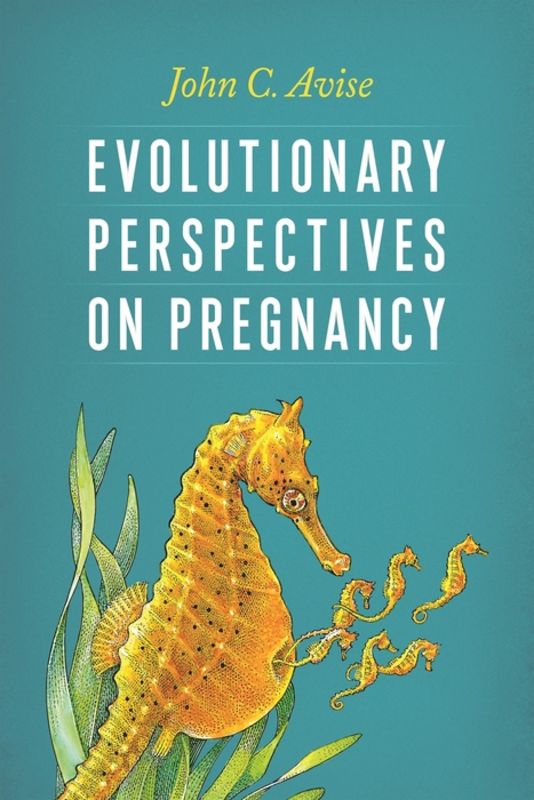
Evolutionary perspectives on pregnancy
Covering both the internal and external incubation of offspring, this book provides a biology-rich survey of the natural history, ecology, genetics, and evolution of pregnancy-like phenomena. From mammals and other live-bearing organisms to viviparous reptiles, male-pregnant fishes, larval-brooding worms, crabs, sea cucumbers, and corals, the world's various species display pregnancy and other forms of parental devotion in surprisingly multifaceted ways. An adult female (or male) can incubate its offspring in a womb, stomach, mouth, vocal sac, gill chamber, epithelial pouch, backpack, leg pocket, nest, or an encasing of embryos, and by studying these diverse examples from a comparative vantage point, the ecological and evolutionary-genetic outcomes of different reproductive models become fascinatingly clear. John C. Avise discusses each mode of pregnancy and the decipherable genetic signatures it has left on the reproductive structures, physiologies, and innate sexual behaviors of extant species. By considering the many biological aspects of gestation from different evolutionary angles, Avise offers captivating new insights into the significance of \"heavy\" parental investment in progeny.
eBook

Seasonality of bivalve larvae within a high Arctic fjord
The temporal and spatial distribution of larval plankton of high latitudes is poorly understood. The objective of this work is to identify the occurrence and abundance of pelagic bivalve larvae within a high Arctic fjord (Adventfjorden, Svalbard) and to reveal their seasonal dynamics in relation to environmental variables—temperature, salinity and chlorophyll
a
—between December 2011 and January 2013. We applied a combination of DNA barcoding of mitochondrial 16S ribosomal RNA and morphological analysis to identify the bivalve larvae found within the plankton and demonstrate a strong seasonality in the occurrence of bivalve larvae, largely coinciding with periods of primary productivity. Seasonal occurrences of bivalve larval species differ from those known for other populations across species’ biogeographic distribution ranges.
Serripes groenlandicus
, which is of circum-Arctic distribution, demonstrated a later occurrence than
Mya truncata
or
Hiatella arctica
, which are of predominantly boreal or cosmopolitan distribution, respectively.
S. groenlandicus
larvae demonstrate the most pronounced response to seasonality, with the shortest presence in the water column. Establishing latitudinal differences in the occurrence of bivalve larvae enhances our understanding of how reproductive traits of marine invertebrates may respond to climate-driven seasonal shifts in the occurrence of primary productivity.
Journal Article

In hot and cold water: differential life-history traits are key to success in contrasting thermal deep-sea environments
1. Few species of reptant decapod crustaceans thrive in the cold-stenothermal waters of the Southern Ocean. However, abundant populations of a new species of anomuran crab, Kiwa tyleri, occur at hydrothermal vent fields on the East Scotia Ridge. 2. As a result of local thermal conditions at the vents, these crabs are not restricted by the physiological limits that otherwise exclude reptant decapods south of the polar front. 3. We reveal the adult life history of this species by piecing together variation in microdistribution, body size frequency, sex ratio, and ovarian and embryonic development, which indicates a pattern in the distribution of female Kiwaidae in relation to their reproductive development. 4. High-density 'Kiwa' assemblages observed in close proximity to sources of vent fluids are constrained by the thermal limit of elevated temperatures and the availability of resources for chemosynthetic nutrition. Although adult Kiwaidae depend on epibiotic chemosynthetic bacteria for nutrition, females move offsite after extrusion of their eggs to protect brooding embryos from the chemically harsh, thermally fluctuating vent environment. Consequently, brooding females in the periphery of the vent field are in turn restricted by low-temperature physiological boundaries of the deep-water Southern Ocean environment. Females have a high reproductive investment in few, large, yolky eggs, facilitating full lecithotrophy, with the release of larvae prolonged, and asynchronous. After embryos are released, larvae are reliant on locating isolated active areas of hydrothermal flow in order to settle and survive as chemosynthetic adults. Where the cold water restricts the ability of all adult stages to migrate over long distances, these low temperatures may facilitate the larvae in the location of vent sites by extending the larval development period through hypometabolism. 5. These differential life-history adaptations to contrasting thermal environments lead to a disjunct life history among males and females of K. tyleri, which is key to their success in the Southern Ocean vent environment. 6. We highlight the complexity in understanding the importance of life-history biology, in combination with environmental, ecological and physiological factors contributing to the overall global distribution of vent-endemic species.
Journal Article

Abundance and reproductive patterns of the excavating sponge Cliona vermifera: a threat to Pacific coral reefs?
Cliona vermifera
is a common excavating sponge in coral reefs from the East Pacific. Abundance and reproductive patterns of the sponge in a Mexican Pacific coral reef over a 4-year period are herein described. Sponge abundance was estimated along three transects 50 m long which were randomly placed on the reef, and along each one, a piece of coral rubble and a branch of a live coral from the
Pocillopora
spp. coral colony closest to the transect were collected at random, approximately every 2 m, yielding 25 pieces of each category per transect (and 75 pieces total of each category). A 2-way ANOVA revealed that invasion was significantly higher in living coral colonies (34.8 %) than in rubble (13.7 %). It also indicated that the abundance in both coralline substrates showed a temporal variation without a clear pattern of increase over the years. It was estimated that 60–85 % of sponges in the population reproduced sexually every year. The sponge proved gonochoristic, with a sex ratio strongly departing from parity (1 male: 3 females). Over the 4-year study period, at least two cohorts of oocytes with densities of up to 3.5 oocytes per mm
2
tissue were observed. Spermatogenesis lasted about a month, but often producing more than a pulse from July to November, coupled with peaks of oocyte maturation. Fertilization occurred internally to produce encapsulated zygotes that were released in one or more spawning events from July to November. In the following months (December to February), which were the periods of lowest temperature (~18.5–20 °C), no gametic activity occurred in the sponges. Because anomalous temperature rises that are detrimental to corals do not appear to negatively affect the reproduction and abundance of
C. vermifera
, it is likely that the excavating activity of this sponge may be compromising the health of those coral reefs that are recurrently affected by episodes of thermal stress.
Journal Article

Species-Specific Proteins in the Oviducts of Snail Sibling Species: Proteotranscriptomic Study of Littorina fabalis and L. obtusata
Genus Littorina subgenus Neritrema (Mollusca, Caenogastropoda) includes the “obtusata” group of closely related species (Littorina obtusata and L. fabalis). The anatomy of the adult reproductive system (pallial oviduct) is the only reliable feature used for species identification in females of these species. Reproductive system anatomy and reproduction-associated proteins often diverge between sibling species. Despite being of high evolutionary interest, the molecular basis of this divergence remains poorly understood. We performed proteotranscriptomic comparison of oviducts of L. obtusata and L. fabalis by RNA-seq on Illumina HiSeq 2500 and two-dimensional protein electrophoresis (2D DIGE) with MS/MS identification of the species-specific proteins. The interspecies differences in the oviduct were associated with (1) metabolic proteins reflecting overall physiological differences between L. obtusata and L. fabalis, (2) receptor proteins, and (3) transcripts related to transposable elements (TEs). Various receptors identified may recognize a wide variety of ligands from pathogen-associated molecular patterns to specific carbohydrates on the sperm surface. Therefore, these may participate in immune defense as well as in sperm storage and regulation. Species-specificity of multiple TE sequences (coding for reverse transcriptase and ribonuclease H) may indicate the important role of these genomic elements in the Littorina species divergence, which has not been reported previously.
Journal Article

Proteomic responses to elevated ocean temperature in ovaries of the ascidian Ciona intestinalis
Ciona intestinalis, a common sea squirt, exhibits lower reproductive success at the upper extreme of water temperatures it experiences in coastal New England. In order to understand the changes in protein expression associated with elevated temperatures, and possible response to global temperature change, we reared C. intestinalis from embryos to adults at 18°C (a temperature at which they reproduce normally at our collection site in Rhode Island) and 22°C (the upper end of the local temperature range). We then dissected ovaries from animals at each temperature, extracted protein, and measured proteomic levels using shotgun mass spectrometry (LC-MS/MS). 1532 proteins were detected at a 1% false discovery rate present in both temperature groups by our LC-MS/MS method. 62 of those proteins are considered up or downregulated according to our statistical criteria. Principal component analysis shows a clear distinction in protein expression pattern between the control (18°C) group and high temperature (22°C) group. Similar to previous studies, cytoskeletal and chaperone proteins are upregulated in the high temperature group. Unexpectedly, we find evidence that proteolysis is downregulated at the higher temperature. We propose a working model for the high temperature response in C. intestinalis ovaries whereby increased temperature induces upregulation of signal transduction pathways involving PTPN11 and CrkL and activating coordinated changes in the proteome, especially in large lipid transport proteins, cellular stress responses, cytoskeleton, and downregulation of energy metabolism.
Journal Article

An unusual hermaphrodite reproductive trait in the Antarctic brooding bivalve Lissarca miliaris (Philobryidae) from the Scotia Sea, Southern Ocean
The Antarctic marine environment is extreme in its low temperatures and short periods of primary productivity. Invertebrates must therefore adapt to maximise reproductive output where low temperature and limited food slow larval development. Brooding is a common reproductive trait in Antarctic marine bivalves; larval development occurs within the mantle cavity, and larvae are released as fully developed young.
Lissarca miliaris
is a small, short-lived, shallow-water brooding bivalve of circum-Antarctic distribution and found most abundant in the sub-Antarctic Magellan Region and islands of the Scotia Arc. Here, an unusual hermaphrodite reproductive trait is described for
L. miliaris
from King George Island (62°14′S, 58°38′W) and Signy Island (60°42′S, 45°36′W), Antarctica, using histological and dissection techniques. Specimens demonstrate simultaneous and sequential hermaphrodite traits; male and female gonads develop simultaneously, but the production of oocytes is reduced while testes are ripe. Functional females are more abundant in specimens above 3 mm shell length, although male reproductive tissue persists and functional males are found in all size classes. The number of previtellogenic oocytes produced by far exceeds the number of oocytes extruded and brooded, which may indicate an ancestral link to a planktotrophic past. Hermaphroditism in
L. miliaris
maximises reproductive efficiency in a short-lived species, in which the female’s capacity to brood its young is limited, and demonstrates a specialised adaptation to a cold stenothermal and food-limited environment prevailing in the Southern Ocean.
Journal Article

Breeding biology of the barnacle Amphibalanus amphitrite (Crustacea: Cirripedia): influence of environmental factors in a tropical coast
Barnacles are the common fouling organisms encountered in coastal waters around the world. In the present study, breeding biology of the intertidal barnacle Amphibalanus amphitrite (=Balanus amphitrite) was studied for a period of two years (July 2003 to June 2005) in the Kudankulam coastal waters. Results showed that A. amphitrite breeds throughout the year in the study area. A high percentage of individuals with free nauplii in the mantle cavity was observed during March 2004 (47.6%) and May 2004 (41.7%). Barnacles with fertilized eggs in the ovary were high during November 2004 (56%), March 2005 (46.7%) and April 2005 (42.8%). Overall, a peak breeding activity was observed during the March–May period. The breeding activity showed a significant positive correlation with surface water temperature and phytoplankton abundance.
Journal Article

Effects of ultraviolet radiation and visible light on the development of encapsulated molluscan embryos
Benthic egg masses laid in intertidal habitats are exposed to numerous environmental stresses including potentially damaging ultraviolet radiation (UVR). We sought to determine the developmental effects of UVR and visible light on molluscan embryos within egg masses from habitats with differential UVR exposure. Capsular and gelatinous egg masses from 23 marine gastropod species were collected from 3 intertidal habitats: (1) full sun, (2) partial shade, and (3) full shade. Egg masses were then divided among 4 spectral treatments: full spectrum, no UV-B, no UV, and dark. An ANOVA confirmed that a significant interaction between original habitat and spectral treatment affected mortality. Egg masses from full shade habitats showed significant vulnerability to UVR and visible light and had a higher overall mortality than other egg masses. Egg masses that were originally partially shaded did not show any significant mortality differences among spectral treatments, but highest mortalities occurred in full spectrum treatments while lowest mortalities occurred in dark treatments. Egg masses from full sun habitats showed no significant mortality differences between spectral treatments, which is consistent with protection against the harmful effects of UVR. In addition, the encapsulation period of egg masses in the dark was longer than the other 3 light treatments irrespective of habitat.
Journal Article