
Catalogue Search | MBRL


Are you sure you want to remove the book from the shelf?

{{itemTitle}}
31,096
result(s) for
"Self Care - psychology"
Sort by:

Mental fitness : 15 rules to strengthen your body and mind
\"The brilliant new book from the multiple Sunday Times bestselling author that will explains the principles behind maintaining a healthy mind and body. The mind and body are often talked about as separate entities, but it's only when they work in harmony with one another that one can truly push oneself to the highest heights. In his new book, Ant Middleton lays out and explains the principles that he lives by to best keep his mindset and body as strong as they can possibly be\"--Publisher's description.

Management of multimorbidity using a patient-centred care model: a pragmatic cluster-randomised trial of the 3D approach
The management of people with multiple chronic conditions challenges health-care systems designed around single conditions. There is international consensus that care for multimorbidity should be patient-centred, focus on quality of life, and promote self-management towards agreed goals. However, there is little evidence about the effectiveness of this approach. Our hypothesis was that the patient-centred, so-called 3D approach (based on dimensions of health, depression, and drugs) for patients with multimorbidity would improve their health-related quality of life, which is the ultimate aim of the 3D intervention.
We did this pragmatic cluster-randomised trial in general practices in England and Scotland. Practices were randomly allocated to continue usual care (17 practices) or to provide 6-monthly comprehensive 3D reviews, incorporating patient-centred strategies that reflected international consensus on best care (16 practices). Randomisation was computer-generated, stratified by area, and minimised by practice deprivation and list size. Adults with three or more chronic conditions were recruited. The primary outcome was quality of life (assessed with EQ-5D-5L) after 15 months' follow-up. Participants were not masked to group assignment, but analysis of outcomes was blinded. We analysed the primary outcome in the intention-to-treat population, with missing data being multiply imputed. This trial is registered as an International Standard Randomised Controlled Trial, number ISRCTN06180958.
Between May 20, 2015, and Dec 31, 2015, we recruited 1546 patients from 33 practices and randomly assigned them to receive the intervention (n=797) or usual care (n=749). In our intention-to-treat analysis, there was no difference between trial groups in the primary outcome of quality of life (adjusted difference in mean EQ-5D-5L 0·00, 95% CI −0·02 to 0·02; p=0·93). 78 patients died, and the deaths were not considered as related to the intervention.
To our knowledge, this trial is the largest investigation of the international consensus about optimal management of multimorbidity. The 3D intervention did not improve patients' quality of life.
National Institute for Health Research.
Journal Article
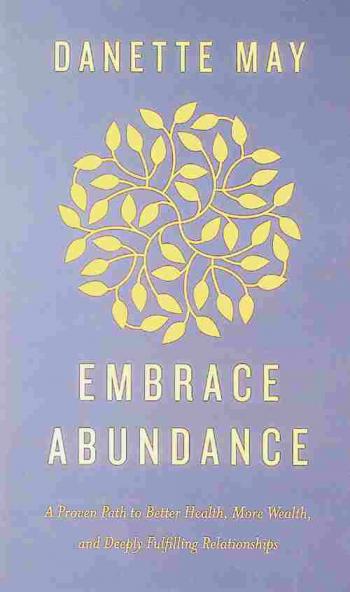
Embrace abundance : a proven path to better health, more wealth, and deeply fulfilling relationships
\"Are you seeking to welcome abundance into your life but find it hard to do in the noise and the muck of daily life? Whether you are focusing on self-love, spirit, health, relationships, purpose, prosperity, or giving back, you can connect with the center of your being and spirit in manageable nuggets of time and attention. Allow a short inspirational story from history or that has been told throughout the ages to inspire you. Then dip into an anecdote from Danette May, an entrepreneur, mother, and motivational speaker, whose candid reflections offer support, encouragement, and comfort. Come full circle to manifesting what you seek with a quick, doable activity that requires little time but has lasting effects. With an open and compassionate heart and mind, your profound connection with your soul, yourself, and the universe will flourish\"-- Provided by publisher.

HIV self-testing alone or with additional interventions, including financial incentives, and linkage to care or prevention among male partners of antenatal care clinic attendees in Malawi: An adaptive multi-arm, multi-stage cluster randomised trial
Conventional HIV testing services have been less comprehensive in reaching men than in reaching women globally, but HIV self-testing (HIVST) appears to be an acceptable alternative. Measurement of linkage to post-test services following HIVST remains the biggest challenge, yet is the biggest driver of cost-effectiveness. We investigated the impact of HIVST alone or with additional interventions on the uptake of testing and linkage to care or prevention among male partners of antenatal care clinic attendees in a novel adaptive trial.
An adaptive multi-arm, 2-stage cluster randomised trial was conducted between 8 August 2016 and 30 June 2017, with antenatal care clinic (ANC) days (i.e., clusters of women attending on a single day) as the unit of randomisation. Recruitment was from Ndirande, Bangwe, and Zingwangwa primary health clinics in urban Blantyre, Malawi. Women attending an ANC for the first time for their current pregnancy (regardless of trimester), 18 years and older, with a primary male partner not known to be on ART were enrolled in the trial after giving consent. Randomisation was to either the standard of care (SOC; with a clinic invitation letter to the male partner) or 1 of 5 intervention arms: the first arm provided women with 2 HIVST kits for their partners; the second and third arms provided 2 HIVST kits along with a conditional fixed financial incentive of $3 or $10; the fourth arm provided 2 HIVST kits and a 10% chance of receiving $30 in a lottery; and the fifth arm provided 2 HIVST kits and a phone call reminder for the women's partners. The primary outcome was the proportion of male partners who were reported to have tested for HIV and linked into care or prevention within 28 days, with referral for antiretroviral therapy (ART) or circumcision accordingly. Women were interviewed at 28 days about partner testing and adverse events. Cluster-level summaries compared each intervention versus SOC using eligible women as the denominator (intention-to-treat). Risk ratios were adjusted for male partner testing history and recruitment clinic. A total of 2,349/3,137 (74.9%) women participated (71 ANC days), with a mean age of 24.8 years (SD: 5.4). The majority (2,201/2,233; 98.6%) of women were married, 254/2,107 (12.3%) were unable to read and write, and 1,505/2,247 (67.0%) were not employed. The mean age for male partners was 29.6 years (SD: 7.5), only 88/2,200 (4.0%) were unemployed, and 966/2,210 (43.7%) had never tested for HIV before. Women in the SOC arm reported that 17.4% (71/408) of their partners tested for HIV, whereas a much higher proportion of partners were reported to have tested for HIV in all intervention arms (87.0%-95.4%, p < 0.001 in all 5 intervention arms). As compared with those who tested in the SOC arm (geometric mean 13.0%), higher proportions of partners met the primary endpoint in the HIVST + $3 (geometric mean 40.9%, adjusted risk ratio [aRR] 3.01 [95% CI 1.63-5.57], p < 0.001), HIVST + $10 (51.7%, aRR 3.72 [95% CI 1.85-7.48], p < 0.001), and phone reminder (22.3%, aRR 1.58 [95% CI 1.07-2.33], p = 0.021) arms. In contrast, there was no significant increase in partners meeting the primary endpoint in the HIVST alone (geometric mean 17.5%, aRR 1.45 [95% CI 0.99-2.13], p = 0.130) or lottery (18.6%, aRR 1.43 [95% CI 0.96-2.13], p = 0.211) arms. The lottery arm was dropped at interim analysis. Overall, 46 male partners were confirmed to be HIV positive, 42 (91.3%) of whom initiated ART within 28 days; 222 tested HIV negative and were not already circumcised, of whom 135 (60.8%) were circumcised as part of the trial. No serious adverse events were reported. Costs per male partner who attended the clinic with a confirmed HIV test result were $23.73 and $28.08 for the HIVST + $3 and HIVST + $10 arms, respectively. Notable limitations of the trial included the relatively small number of clusters randomised to each arm, proxy reporting of the male partner testing outcome, and being unable to evaluate retention in care.
In this study, the odds of men's linkage to care or prevention increased substantially using conditional fixed financial incentives plus partner-delivered HIVST; combinations were potentially affordable.
ISRCTN 18421340.
Journal Article


The effect of mental health-based self-care model counseling on anxiety and depression in women with gestational diabetes: a randomized clinical trial
Background
Anxiety and depression caused by gestational diabetes can lead to adverse outcomes for both the mother and the baby. Mental health self-care counseling focusing on awareness, recognition, and coping strategies can play a protective role. This study aimed to determine the effect of a mental health-based self-care counseling model on anxiety and depression in women with Gestational Diabetes Mellitus (GDM).
Methods
This randomized clinical trial was conducted from June 2023 to May 2024 on 84 pregnant women with gestational diabetes at Amir al-Momenin Hospital in Semnan. After block randomization, the women were divided into a self-care mental health counseling group (42 participants) and a control group (42 participants). The intervention group received six individual weekly sessions (30–45 min each) of computer-linked self-care mental health counseling. Data were collected before, immediately after, one month after the intervention, and six weeks after delivery using the questionnaires including demographic and reproductive, Hospital Anxiety and Depression Scale (HADS), health behavior during Pregnancy, mental health self-care, and gestational diabetes self-efficacy.
Results
The study results showed that the mean (standard deviation) anxiety scores in the intervention and control groups were 6.85 (2.11) and 7.31 (2.26) before the intervention, 4.02 (1.78) and 7.49 (1.73) at the end of the intervention, 3.88 (1.56) and 7.13 (1.36) one month after the intervention, and 2.07 (1.14) and 4.14 (1.16) six weeks after delivery (
p
< 0.001, η² = 0.56), respectively. For depression scores, the two groups had means of 6.03 (2.15) and 6.10 (1.71) before the intervention, 4.07 (1.20) and 5.82 (1.88) at the end of the intervention, 3.62 (1.12) and 5.82 (1.35) one month after the intervention, and 5.15 (1.25) and 8.62 (1.62) six weeks after delivery (
p
< 0.001, η² = 0.60). Compared to the control group, intervention group showed a significant reduction in mean anxiety and depression scores at all three follow-ups after the intervention. Additionally, the mean scores for health-promoting behaviors, mental health self-care, and self-efficacy increased significantly more in the intervention group. Based on linear regression analysis, mental health self-care was the strongest predictor of reduced anxiety and depression (β = -0.393,
p
< 0.001).
Conclusion
Mental health-based self-care counseling is effective in reducing anxiety and depression, as well as promoting health behaviors, self-efficacy, and mental health self-care in women with gestational diabetes. Therefore, it is recommended as a valuable strategy for managing the complications of gestational diabetes.
Trial registration
IRCT20230130057274N1. Date of registration: 2024-08-06.
Journal Article


Internet-based guided self-help intervention for chronic pain based on Acceptance and Commitment Therapy: A randomized controlled trial
Acceptance-based psychological interventions can potentially minimize the burden of chronic pain. This randomized controlled trial evaluated an internet-delivered, guided self-help intervention based on Acceptance and Commitment Therapy (ACT). A total of 238 chronic pain sufferers from the general population were randomly allocated to either ACT (n = 82), an internet-based control condition Expressive Writing (n = 79) or a waiting list condition (n = 77). Participants completed measures at baseline, posttreatment (3 months) and at a 3-month follow-up. At follow-up, ACT participants had improved in pain interference in daily life (primary outcome) compared to participants in Expressive Writing (Cohen’s d = .47), but not compared to waiting list participants (
p
value = .11). Those who adhered to the ACT-intervention (48 %) did improve significantly compared to waiting list participants (d = .49). ACT-participants also showed superior improvement on depression, pain intensity, psychological inflexibility and pain catastrophizing (d: .28–.60). Significant clinical improvement was present. Especially, 28 % of ACT-participants showed general clinically relevant improvement in pain interference, as well as in pain intensity and depression (vs. Expressive Writing and waiting list 5 %). Given these findings, internet-based ACT programs may be a promising treatment modality for chronic pain.
Journal Article


Self-monitoring and reminder text messages to increase physical activity in colorectal cancer survivors (Smart Pace): a pilot randomized controlled trial
Background
Over 1.3 million people live with colorectal cancer in the United States. Physical activity is associated with lower risk of colorectal cancer recurrence and mortality. Interventions are needed to increase physical activity in colorectal cancer survivors.
Methods
We conducted a 2-arm non-blinded pilot randomized controlled trial at the University of California, San Francisco among 42 individuals who had completed curative-intent treatment for colorectal cancer to determine the feasibility and acceptability of a 12-week (84 days) physical activity intervention using a Fitbit Flex™ and daily text messages. Participants were randomized 1:1 to receive the intervention with print educational materials or print educational materials alone. We explored the impact of the intervention versus usual care on physical activity using ActiGraph GT3X+ accelerometers pre−/post-intervention.
Results
We screened 406 individuals and randomized 42 to intervention (
n
= 21) or control (
n
= 21) groups. During the 12-week study, the intervention arm wore their Fitbits a median of 74 days [88% of days in study period, interquartile range: 23–83 days] and responded to a median of 34 (out of 46) text messages that asked for a reply (interquartile range: 13–38 text messages). Among the 16 intervention participants who completed the feedback survey, the majority (88%) reported that the intervention motivated them to exercise and that they were satisfied with their experience. No statistically significant difference in change in moderate-to-vigorous physical activity was found from baseline to 12 weeks between arms.
Conclusion
A 12-week physical activity intervention with a Fitbit and text messages was feasible and acceptable among colorectal cancer patients after curative treatment. Larger studies are needed to determine whether the intervention increases physical activity.
Trial registration
Clinicaltrials.gov
Identifier
NCT02966054
. Registered 17 November 2016, retrospectively registered.
Journal Article