
Catalogue Search | MBRL


Are you sure you want to remove the book from the shelf?

{{itemTitle}}
8
result(s) for
"اضطراب نقص الانتباه مع فرط النشاط علاج"
Sort by:
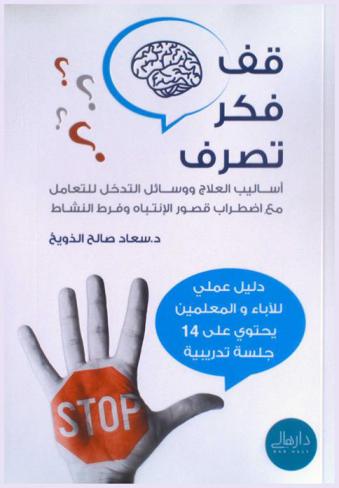
قف. فكر. تصرف. : أساليب العلاج ووسائل التدخل للتعامل مع اضطراب قصور الانتباه وفرط النشاط
يتحدث هذا الكتاب عن أساليب العلاج ووسائل التدخل للتعامل مع اضطراب قصور الانتباه وفرط النشاط فهو يعتبر دليل عملي للآباء والمعلمين حيث يتناول تدريب التلاميذ على ضبط حركة الجسم وتدريب التلاميذ على الانتباه البصري وتدريب التلاميذ على الانتباه السمعي وتدريب التلاميذ على اتباع التعليمات ويتحدث الكتاب أيضا عن ضبط الذات والتحكم فيها وتنمية المراقبة الذاتية.
Book

The Effectiveness of Neurofeedback as Computer Based Programs for Children with Attention Deficient Hyperactivity Disorder
Introduction: Attention deficit hyperactivity disorder (ADHD) is a developmental condition of inattention and distractibility, with or without accompanying hyperactivity. There are 3 basic forms of ADHD described in the Diagnostic and Statistical Manual, Fifth Edition (DSM- 5) of the American Psychiatric Association are: (1) predominantly inattentive, (2) predominantly hyperactive/impulsive, and (3) combined. The etiology of ADHD is unknown and can be explained to great extent to genetics environmental & personal factors. Parents and siblings of children with ADHD are 2- 8 times more likely to develop ADHD than the general population, suggesting that ADHD is a highly familial disease. Studies of cognitive deficits reveal another facet to the genetic contributions to ADHD. Hypotheses exist that include in utero exposures to toxic substances, food additives or colorings, or allergic causes. However, diet, especially sugar, is not a cause of ADHD.NFB science is attracting renewed interest as a method to selfregulate one's own brain activity to directly alter the underlying neural mechanisms of both cognition and behavior. It does not only promise new avenues as a method for cognitive enhancement in healthy subjects, but also as a therapeutic tool. It is considered a comprehensive type of training therapy promoting growth and change at the brain's cellular level. NFB can be used in at least three main ways: (i) as a therapeutic tool to normalize patients' deviating brain activity in order to influence their symptoms (ii) as so- called peak- performance training to enhance cognitive performance in healthy participants and (iii) as an experimental method to investigate the causal role of specific neural events (such as brain oscillations) for cognition and behavior which is known as brain- state dependent stimulation. Neurofeedback, formerly called electroencephalographic (EEG) biofeedback), is an intervention for ADHD based on findings that many individuals with ADHD show low levels of arousal in frontal brain areas, with excess of theta waves and deficit of beta waves. The principle of NF is that over time, participants learn operant control of their EEG and change from an ____abnormal'' state to one resembling that of typically developing children. This process is thought to eventually remediate the symptoms associated with ADHd).Case studies and controlled- group studies of EEG biofeedback have demonstrated beneficial effects on measures of intelligence, behavioral rating scales assessing the frequency of the core symptoms of ADHD for theta/beta training Aim of the work: The aim of the present study is to demonstrate the efficacy of Neurofeedback (computer based programs) as adjuvant therapy for children with ADHD. Importance of the Study: Attention deficit hyperactivity disorder (ADHD) is an important global public health challenge that must be addressed. Early diagnosis and effective treatment will affect optimal growth and development of the child a trying to reduce disability later on. The Neurofeedback: another nonpharmaceutical and non- invasive approach aiming at the reduction of ADHD symptoms and can be added to the behavioral therapy to ADHD children with limiting the use of medication.
Methodology: The present study is a clinical trial randomized study that was conducted on 10 patients who were following up at the outpatient clinic of RightWay medical center of special needs in Alexandria in Egypt. By the standardized psychiatric evaluation, they were diagnosed as ADHD according to DSM- V. The studied children were divided into two main groups: group (A): 5 freshly diagnosed cases of ADHD patients who were only receiving sessions of NFB and group as control: 5 cases of ADHD patients who were receiving behavioral therapy only. All ADHD patients (cases & controls) will be subjected to the following; Full medical history and neurological examination. Standard EEG test. Conner's Test Pre & Post Neurofeedback sessions. IQ/ Stanford Binnet 5 Pre- Neurofeedback sessions Neurofeedback basic assessment on Cz before start of sessions. Neurofeedback sessions for cases group (12 sessions/ twice or three times weekly) and Behavioral therapy sessions for control group (12 sessions/ twice or three times weekly). Neurofeedback progress assessment after 12 sessions for cases group. Results: Five ADHD children were given 12 sessions of NFB and CPRS- RL was done before and after the NFB therapy, P value =0.98 with no statistical significance. Five ADHD children were given 12 sessions of Behavioral Therapy and CPRS- RL was done before and after the BT therapy, P value =0.98 with no statistical significance. Five ADHD children were given 12 sessions of NFB and T/B Ratio was done before and after the NFB therapy, P value =0.97 with no statistical significance Discussion: Our study was done on 10 ADHD children, 5 cases who received 12 sessions of NFB and 5 control who received only behavioral therapy. The mean age for all ADHD children was 8.7 and 100% were males, this goes in hand with the following Fast Facts: Males are almost three times more likely to be diagnosed with ADHD than females.
The average age of ADHD diagnosis is 7 years old. Symptoms of ADHD typically first appear between the ages of 3 and 6. 60% were of combined ADHD type, similar to our results, studies of the prevalence of DSM- IV subtypes in clinically referred ADHD children and adolescents in the DSM- IV field trials, show that the combined type is the most prevalent type of ADHD (66%) followed by the inattentive (33%), and the hyperactive- impulsive types (8%). At present, genetic loading appears to be the primary and perhaps only cause of ADHD. this is corrolated that 60% of our ADHD in the study have family history of ADHD (40% of cases & 20% of controls).The results of CPRS- RL before and after NFB therapy was statistically insignificant, in other clinical trial randomized study was conducted on 84 ADHD children Mekkawy L et al, has found statistically significant decrease in the Conner's scores before and after treatment with NFB reflects significant improvement in behavior and cognition. Also a comparison of the reduction rate among the three different types of ADHD, the inattentive type was statistically significant and showed the best effect following NFB, followed by the hyperactive type which was statistically significant too, whereas the combined type was statistically insignificant. In Alexandria University 2014, El Rasheedy revealed that neurofeedback was superior to medication in reduction of the oppositional, anxiety and psychosomatic symptoms among ADHD children. Conclusion & Recommendation: Neurofeedback training although did not reveal statistically significant improvement on ADHD symptoms overall, and we were unable to prove that the effects of neurofeedback training were superior to those of Behavioral Therapy with regard to CPR rating scales. There are three randomized controlled trials from Bakhshayesh, Gevensleben et al. and Holtmann et al. have shown neurofeedback to be superior to a (semi- active) control group. Therefore its highly recommended to go on further studies on large sample sizes and different NFB protocols to judge for this new model of therapy for ADHD.
Journal Article
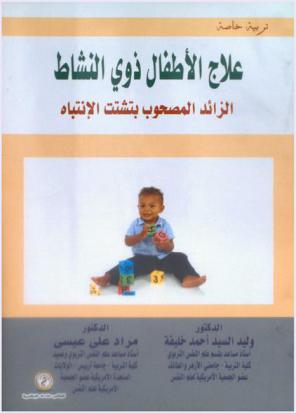

فاعلية برنامج سلوكي قائم على لعبة السلوك الجيد في خفض السلوكيات غير السوية لدى الأطفال ذوي اضطراب عجز الانتباه المصاحب للنشاط الزائد
هدفت الدراسة الحالية إلى التحقق من فاعلية برنامج قائم على لعبة السلوك الجيد في خفض السلوكات الصفية غير السوية لدى الأطفال ذوي اضطراب عجز الانتباه المصاحب للنشاط الزائد، ولتحقيق أهداف الدراسة استخدمت الباحثة المنهج شبه التجريبي، والمتمثل في تصميم الحالة الواحدة وذلك بهدف التعرف على فعالية لعبة السلوك الجيد كمتغير مستقل في تحسين بعض السلوكات الصفية غير المناسبة كمتغير تابع. وتكونت عينة الدراسة من (5) طلاب ملتحقين بمركز عبور للرعاية النهارية في مدينة الرياض، تراوحت أعمارهم ما بين (7 - 8) سنوات تم اختيارهم بطريقة المعاينة القصدي وقامت الباحثة بتصميم برنامج سلوكي يعتمد على استراتيجية لعبة السلوك الجيد، حيث استغرق تنفيذ البرنامج التجريبي ثمانية أسابيع وفق أربع مراحل تم من خلالها ملاحظة وتسجيل السلوك الصفي غير المناسب لعينة الدراسة في كل مرحلة، وتم الاعتماد على المعلمة والباحثة للقيام بعملية الملاحظة وبعدها تم احتساب نسبة اتفاق الملاحظين، وتسجيل تكرارات حدوثها في الاستمارة التي تم إعدادها لإجراء هذه الدراسة. وتوصلت النتائج إلى فاعلية البرنامج السلوكي في خفض السلوك الصفي غير المناسب لدى الأطفال ذوي اضطراب عجز الانتباه المصاحب للنشاط الزائد مما يؤكد على أن لعبة السلوك الجيد تشكل أداة فعالة للحد من السلوك غير المرغوب فيه داخل الفصل، وأوصت الدراسة بإجراء دراسات أخرى باستخدام أساليب تربوية وسلوكية إضافية والتحقق من فاعليتها على فئة ذوي اضطراب عجز الانتباه المصاحب للنشاط الزائد.
Journal Article
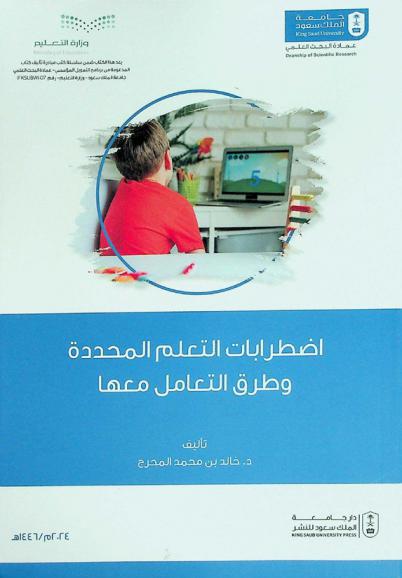
اضطرابات التعلم المحددة وطرق التعامل معها
يركز هذا الكتاب على اضطرابات التعلم المحددة ويقدم طرقا عملية للتعامل معها. يستعرض الكتاب الأنواع المختلفة لاضطرابات التعلم ويوفر استراتيجيات تربوية ونفسية لمساعدة الأفراد المتضررين على التغلب على التحديات التي يواجهونها. يهدف المؤلف إلى تزويد الأهالي والمعلمين والمتخصصين بأدوات ومعرفة تمكنهم من تقديم الدعم الفعال وتعزيز القدرات التعليمية للأطفال والشباب الذين يعانون من هذه الاضطرابات، مساهما في تحسين جودة حياتهم الأكاديمية والشخصية.
BOOK

فاعلية برنامج معرفي سلوكي في تحسين بعض المهارات الاجتماعية وأثره على اضطراب الانتباه لدى الأطفال ذوي النشاط الزائد
هدف البحث إلى التعرف على فاعلية برنامج سلوكي في تنمية وتحسين بعض المهارات الاجتماعية (الاتصال، آداب السلوك، العلاقات العامة) لدى عينة من الأطفال مضطربي الانتباه من 6 - 9 سنوات واستخدم في هذه الدراسة المنهج التجريبي. وتكونت عينة الدراسة من مجموعة تجريبية فقط عبارة عن (١٠) أطفال طبق عليهم البرنامج، وتم عمل مقارنة بين القياس القبلي والبعدي لهم (قبل وبعد البرنامج) من خلال قياس كل من المهارات الاجتماعية واضطراب الانتباه. وتوصل البحث إلى وجود تحسناً في كل مظاهر اضطراب الانتباه (نقص الانتباه، النشاط الزائد، الاندفاعية) لصالح القياس البعدي وإن كان التحسن ذا دلالة إحصائية بالنسبة لنقص الانتباه فقط، كما اتضح وجود فروق دالة إحصائياً بين القياسين القبلي والبعدي للأطفال على قياس المهارات الاجتماعية في كل من (إتباع لوائح المدرسة، التفاعل مع الآخرين، إظهار عادات مناسبة) لصالح البعدي، كذلك وجد فروقاً ظاهرية فقط بين استجابة كل من الذكور والإناث للبرنامج العلاجي وليست ذات دلالة إحصائية مما يؤيد صلاحية البرنامج العلاجي لكل من الذكور والإناث.
Journal Article

أثر برنامج معرفي سلوكي في خفض الأعراض الأساسية لاضطراب الانتباه المصحوب بفرط النشاط لدى تلاميذ المرحلة الابتدائية
عنوان الدراسة : أثر برنامج معرفي سلوكي في خفض الأعراض الأساسية لاضطراب الانتباه المصحوب بفرط النشاط لدى تلاميذ المرحلة الابتدائية اسم الباحث: هيثم السيد محمد علي هدفت الدراسة إلى: التحقق من أثر برنامج معرفي سلوكي خفض اضطراب الانتباه المصحوب بفرط النشاط لدى تلاميذ المرحلة الابتدائية، وتكونت عينة الدراسة من (٢٠) تلميذا من الصف الخامس الابتدائي، تم تقسيمهم إلى مجموعتين، مجموعة تجريبية ومجموعة ضابطة وكل منهم (١٠) تلاميذ، واستخدم الباحث مقياس اضطراب الانتباه المصحوب بفرط النشاط (إعداد : مجدي الدسوقي، ٢٠٠٤)، ومقياس مهارة التنظيم (إعداد: الباحث ) ، البرنامج المعرفي السلوكي (إعداد: الباحث) وقد أوضحت النتائج فاعلية البرنامج التدريبي المستخدم في الدراسة في تحسين مهارة التنظيم وخفض اضطراب الانتباه المصحوب بفرط النشاط، كما أشارت نتائج الدراسة إلى عدم وجود فروق دالة إحصائيا بين القياسين البعدي والتتبعي لدى المجموعة التجريبية.
Journal Article

فعالية برنامج معرفي سلوكي في الخفض من درجة اضطراب نقص الانتباه المصحوب بفرط الحركة عند الطفل المتمدرس
هدفت الدراسة الحالية إلى الكشف عن مدى فعالية برنامج علاجي معرفي سلوكي في الخفض من درجة اضطراب نقص الانتباه المصحوب بفرط الحركة لدى الطفل المتمدرس. nومن أجل تحقيق أهداف الدراسة تمّ إجراء دراسة ميدانية اعتمدنا فيها على مقياس\" كونرز \" وكذا مقياس صعوبات الانتباه، أين تمّ بعدها تطبيق برنامج علاجي معرفي سلوكي على الحالة (طفل متمدرس). nوقد خلصت الدراسة إلى أنّ البرنامج العلاجي الذي تمّ تصميمه وتطبيقه كان له تأثير إيجابي وفعّال في التخفيف من درجة اضطراب نقص الانتباه المصحوب بفرط الحركة عند الطفل المتمدرس، وكذا مساهمته أيضا في تحسين مستوى التحصيل الدراسي لديه.
Journal Article