Asset Details
Do you wish to reserve the book?

Barriers to safe abortion care in internally displaced persons camps in Ethiopia

Hey, we have placed the reservation for you!
By the way, why not check out events that you can attend while you pick your title.

Oops! Something went wrong.
Looks like we were not able to place the reservation. Kindly try again later.
Are you sure you want to remove the book from the shelf?
Barriers to safe abortion care in internally displaced persons camps in Ethiopia

Do you wish to request the book?
Barriers to safe abortion care in internally displaced persons camps in Ethiopia
Please be aware that the book you have requested cannot be checked out. If you would like to checkout this book, you can reserve another copy

We have requested the book for you!
Your request is successful and it will be processed during the Library working hours. Please check the status of your request in My Requests.
Oops! Something went wrong.
Looks like we were not able to place your request. Kindly try again later.

Journal Article
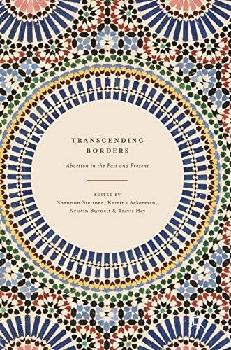
Barriers to safe abortion care in internally displaced persons camps in Ethiopia
2025
Overview
This qualitative study examines barriers to safe abortion care among women in Internally Displaced Persons (IDP) camps in Ethiopia using the Social Ecological Model (SEM). Data were collected through in-depth and key informant interviews with displaced women, healthcare providers, community leaders, NGO representatives, and policymakers. The findings reveal multi-level challenges, including personal and structural barriers, where cultural and religious beliefs, financial constraints, and limited education prevent women from access to safe abortion care. Social networks and healthcare providers play a critical role, with unsupportive partners and providers’ moral objections worsening the situation. Community stigma and social norms perpetuate misinformation and isolation, while societal barriers such as inadequate healthcare infrastructure and policy gaps further limit access. Urgent, coordinated action is critical. The Ministry of Health, humanitarian organizations, and local leaders must expand healthcare access, ensure legal protections, combat Sexual and Gender Based violence, and dismantle stigma. Without urgent intervention, displaced women will continue facing life-threatening risks.
Cette étude qualitative examine les obstacles à l'avortement médicalisé chez les femmes vivant dans des camps de personnes déplacées à l'intérieur du pays (PDI) en Éthiopie, à l'aide du Modèle Écologique Social (MES). Les données ont été recueillies lors d'entretiens approfondis avec des informateurs clés auprès de femmes déplacées, de prestataires de soins de santé, de dirigeants communautaires, de représentants d'ONG et de décideurs politiques. Les résultats révèlent des difficultés à plusieurs niveaux, notamment des obstacles personnels et structurels, où les croyances culturelles et religieuses, les contraintes financières et le manque d'éducation empêchent les femmes d'accéder à un avortement médicalisé. Les réseaux sociaux et les prestataires de soins de santé jouent un rôle crucial, le manque de soutien des partenaires et les objections morales des prestataires aggravant la situation. La stigmatisation communautaire et les normes sociales perpétuent la désinformation et l'isolement, tandis que les obstacles sociétaux, tels que l'insuffisance des infrastructures de santé et les lacunes politiques, limitent encore davantage l'accès. Une action urgente et coordonnée est essentielle. Le ministère de la Santé, les organisations humanitaires et les dirigeants locaux doivent élargir l'accès aux soins de santé, garantir une protection juridique, lutter contre les violences sexuelles et sexistes et mettre fin à la stigmatisation. Sans une intervention urgente, les femmes déplacées continueront d'être exposées à des risques mortels.
Publisher
Women’s Health and Action Research Centre,Women’s Health and Action Research Centre (WHARC),Women's Health and Action Research Centre (WHARC),Women's Health and Action Research Centre
Subject
/ Abortion, Induced - psychology
/ Accessibilité aux services de santé
/ Adult
/ Analysis
/ Clinics
/ Consent
/ Ethiopia
/ Female
/ Health Services Accessibility
/ Humans
/ Induced
/ Internally displaced persons
/ Non-governmental organizations
/ Refugees
/ Reproductive Health Services
/ Réfugiés
/ Services de santé reproductive
/ Stigma
/ Éthiopie